Key Takeaways for Aspiring Bandleaders
- Leadership is about creating space for other musicians to shine, not dominating the spotlight.
- Non-verbal cues and a shared rhythmic pulse are more effective than verbal instructions during a set.
- Dynamic contrast-knowing when to drop to a whisper-is what keeps an audience engaged.
- Technical proficiency is the baseline; emotional intelligence is the actual tool for direction.
The Philosophy of the Blues Bandleader
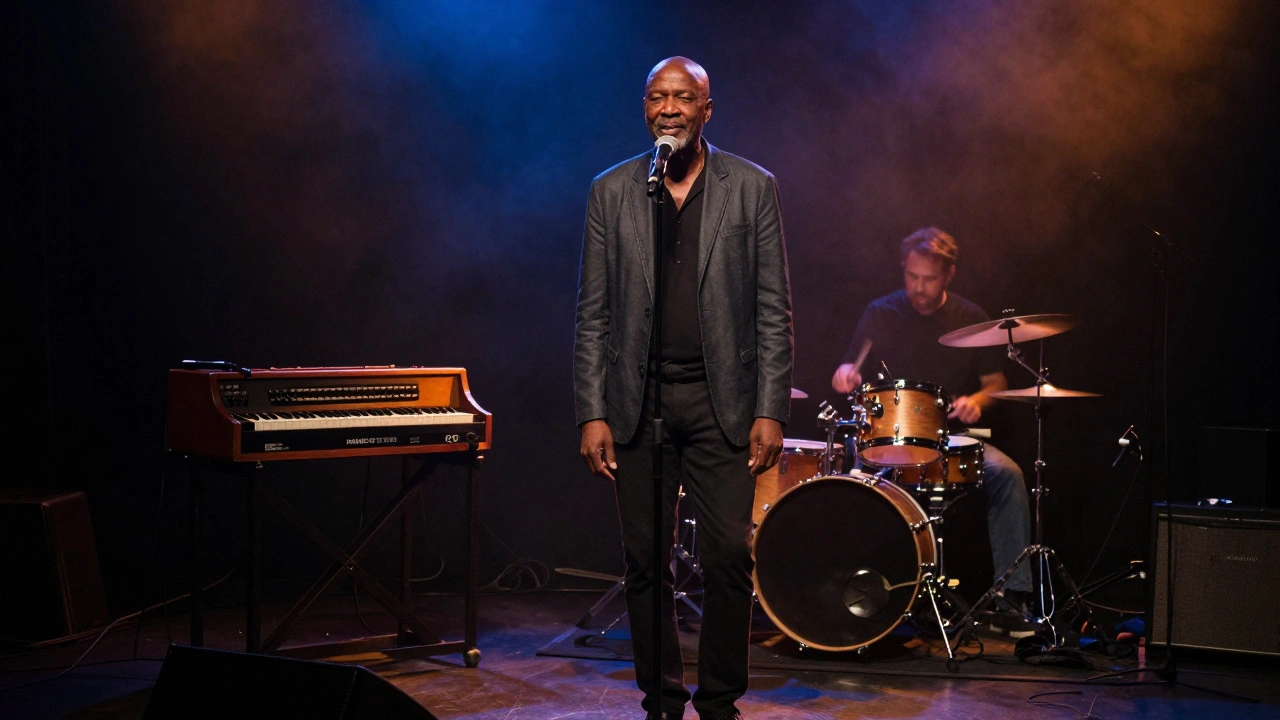
For Robert Hill, the role of a bandleader is less like a boss and more like a conductor of a conversation. In the world of Blues, which is rooted in call-and-response patterns and improvisation, the leader must know when to ask a question and when to let the band answer. He views the ensemble as a single organism. If the bass is pushing too hard, the whole body of the music feels anxious. If the vocals are too stagnant, the energy dies.
Hill emphasizes that blues bandleader skills aren't taught in textbooks. They are forged in the heat of a three-hour set at a crowded club. He focuses on "active listening," a practice where he monitors the interaction between the drums and the bass to ensure the foundation is rock solid before adding melodic flourishes. He believes a leader's primary job is to protect the groove. If the groove wavers, the emotional connection with the audience breaks, and no amount of flashy guitar work can fix that.
Mastering Non-Verbal Communication
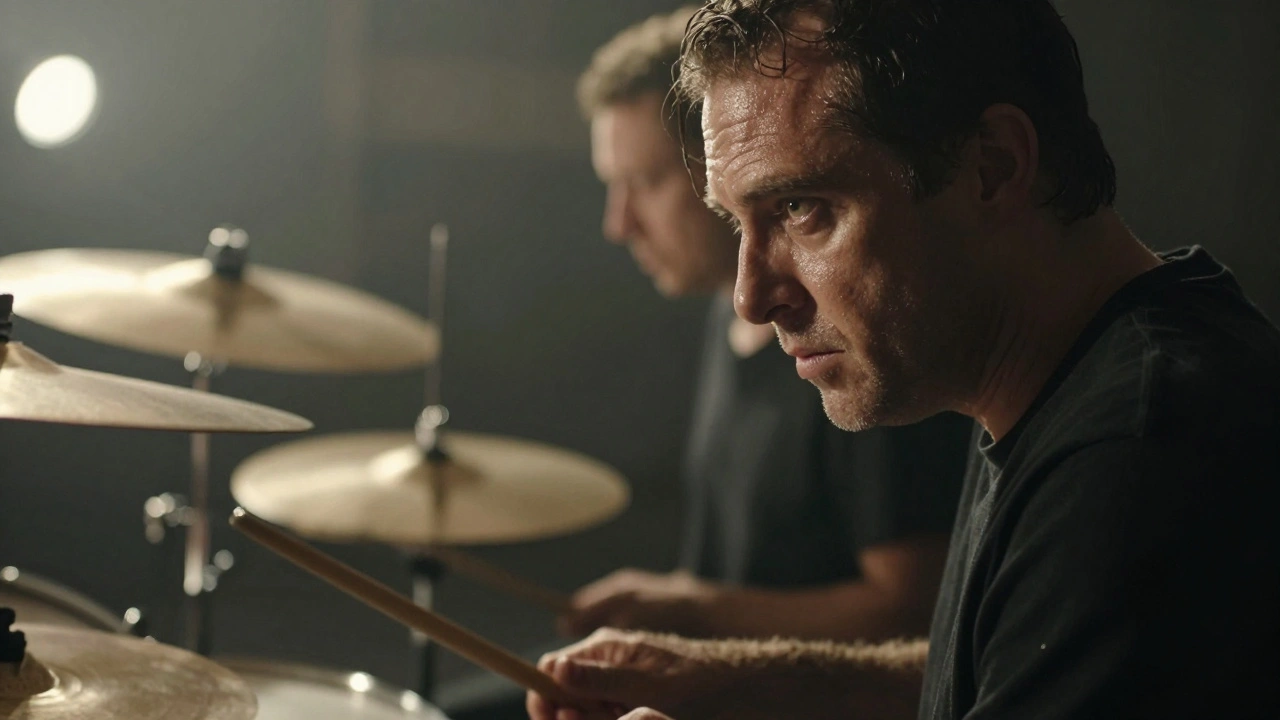
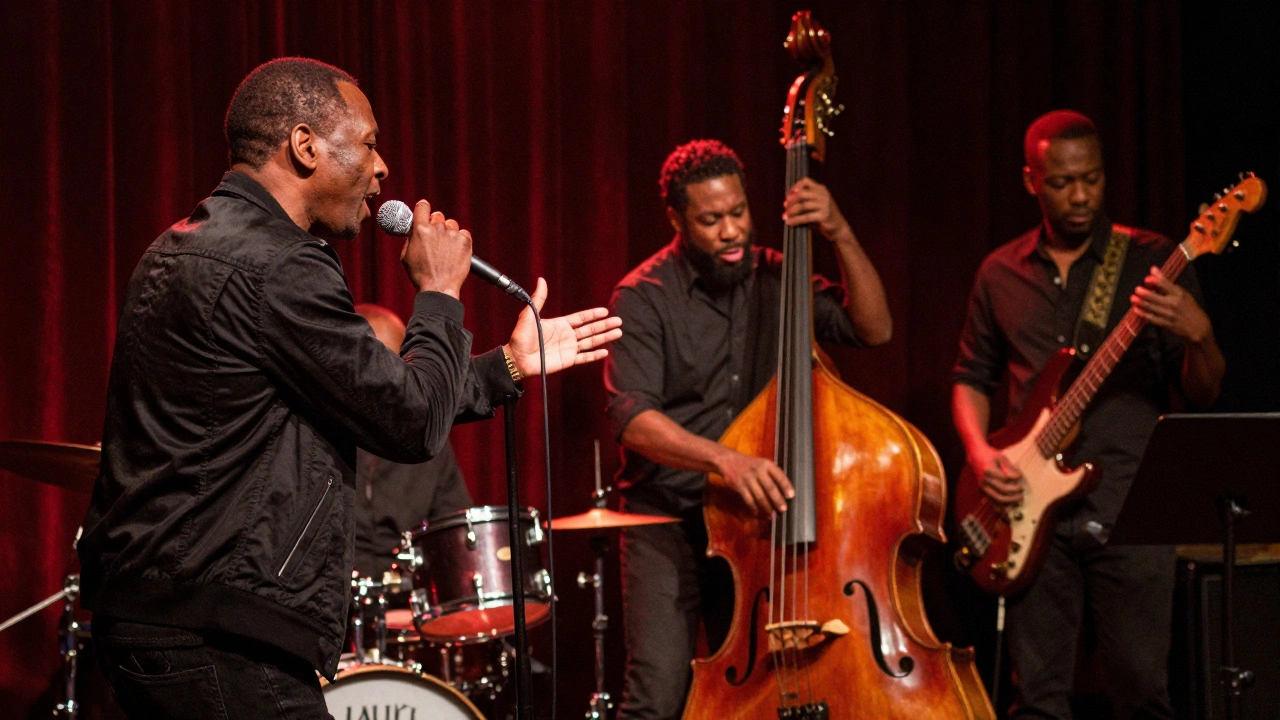
You won't see Robert Hill stopping a song to give a lecture to his players. Instead, he uses a sophisticated system of physical cues. A slight nod of the head might signal a transition to a bridge, while a step back from the microphone tells the soloist it's their time to take over. This is essential because in a loud environment, verbal communication is useless.
He often references the influence of B.B. King, noting how the legendary guitarist used small gestures to control the dynamics of his brass section. Hill applies this by focusing on eye contact. By locking eyes with the drummer during a crescendo, he ensures the entire band peaks at the exact same millisecond. This synchronization creates a physical impact on the listener that feels intentional and powerful rather than accidental.
Balancing Individual Ego with Ensemble Unity
Every blues band has a "diva"-usually the lead guitarist or the horn player. Robert Hill’s approach to direction involves managing these personalities to serve the song. He implements a rule of "economic playing." He encourages his musicians to think about what not to play. When everyone plays at once, you get noise; when people take turns, you get a story.
| Element | The "Ego" Approach | The Hill Ensemble Approach |
|---|---|---|
| Soloing | Maximum notes and speed | Building tension and release |
| Volume | Constantly loud to be heard | Strategic use of silence and whispers |
| Rhythm | Following a rigid metronome | Feeling the "pocket" and breathing together |
| Cues | Verbal directions between songs | Physical signals during the performance |
The Architecture of a Setlist
Direction doesn't start on stage; it starts with the setlist. Robert Hill treats a performance like a movie script with an inciting incident, a climax, and a resolution. He avoids the common mistake of playing all the high-energy numbers at the start. Instead, he maps out the emotional arc of the evening.
He typically starts with a mid-tempo shuffle to get the crowd's feet moving, then dips into a slow, gut-wrenching ballad to establish an emotional bond. This creates a vacuum that makes the eventual return to high-energy Chicago Blues style numbers feel explosive. By controlling the pacing, Hill directs not only his band but the psychological state of the audience. He knows that if you keep the energy at 10 for two hours, the audience eventually gets fatigued and tunes out.
Handling Mistakes in Real-Time
In live music, something will always go wrong. A string will snap, a singer will forget a lyric, or a drummer will drop a stick. Most leaders react with a look of horror or frustration, which alerts the audience that a mistake has happened. Robert Hill does the opposite: he leans into it. If a musician misses a beat, Hill often incorporates that "error" into a new rhythmic pattern, making it sound like a planned improvisation.
This approach removes the fear from the ensemble. When musicians know their leader has their back, they play with more confidence and take more creative risks. He views these moments as the "human" element of the blues. He argues that a perfect recording is boring, but a live performance that recovers from a mistake is gripping because it shows the resilience of the artists.
Technical Requirements for the Modern Blues Leader
While the soul of the music is traditional, Hill acknowledges that modern ensemble direction requires technical literacy. He utilizes In-Ear Monitors (IEMs) to maintain a direct line of communication with the rhythm section without needing to scream over the amplifiers. This allows him to give subtle timing corrections that the audience never hears.
He also emphasizes the importance of Sound Checking as a leadership tool. For Hill, the sound check is where the hierarchy is established and the sonic boundaries are set. He ensures the Mix is balanced so that the vocals aren't fighting the guitar. By solving these technical clashes before the first note of the show, he clears the mental runway for the band to focus entirely on the emotion of the music.
What is the most important quality of a blues bandleader?
According to Robert Hill, the most important quality is the ability to listen. A leader must be able to hear the entire ensemble as a whole and identify which instrument is overstepping or where the energy is lagging. It's about being an editor in real-time.
How does Robert Hill handle conflicts between musicians?
He manages egos by refocusing the musicians on the "song" rather than the "solo." By establishing that the goal is the emotional impact on the listener, he turns a competition for attention into a collaborative effort to serve the music.
Why does he prioritize non-verbal communication?
Blues venues are typically loud, making verbal instructions impossible during a song. Physical cues like nods, eye contact, and body shifts allow the band to change dynamics or end a song seamlessly without breaking the flow of the performance.
How does he structure a typical blues set?
He treats the setlist as an emotional arc, starting with mid-tempo tracks to engage the crowd, moving into deep ballads for emotional connection, and peaking with high-energy numbers to ensure the audience leaves on a high note.
What can beginners do to start leading their own bands?
Beginners should focus on learning the art of the "pocket"-the rhythmic sweet spot where the band feels locked in. They should also practice giving and receiving non-verbal cues and focus on creating space in their arrangements so every instrument has a moment to breathe.
Next Steps for Ensemble Growth
If you're looking to move from being a player to a leader, start by recording your rehearsals. Listen back not to your own playing, but to how the instruments interact. Are you stepping on the bass player's toes? Is there a gap where the energy drops? Robert Hill suggests that the first step to directing others is becoming a critical observer of your own collective sound.
For those in more professional settings, consider investing in a basic monitoring system to improve communication. Finally, challenge your band to play a set where no one is allowed to play more than four bars of a solo at a time. This forces everyone to focus on the ensemble's needs over their own individual desire to show off, which is the core of Robert Hill's philosophy.