Ever stared at a blank page or an empty DAW session, wondering where the next hit comes from? Most artists think they need a grand, life-altering tragedy to write something worth hearing. But the truth is often quieter. The most powerful personal stories in music rarely come from the biggest events; they come from the small, overlooked moments that stick with you. If you’re struggling to find material that feels authentic, it’s likely because you’re looking in the wrong places.
Mining meaningful content isn’t about inventing drama. It’s about excavating the details of your daily life and connecting them to universal human experiences. Whether you’re a bedroom producer or a touring artist, the ability to turn specific memories into relatable lyrics or melodies is what separates background noise from art that resonates. This guide breaks down how to dig deeper into your own history to create music that actually connects with listeners.
The Myth of the "Big" Moment
There is a common misconception that songwriting requires a major life event: a breakup, a loss, a massive success, or a spiritual awakening. While these events certainly provide fuel, relying on them creates a bottleneck. What happens when life gets boring? Or when you’ve already written three songs about your last relationship?
Consider the difference between a headline and a scene. A headline says, "I got fired." A scene describes the cold coffee in the mug, the way the boss avoided eye contact, and the strange silence of the office after everyone left. Listeners don’t connect with headlines; they connect with scenes. When you mine for content, you are looking for the sensory details that make a memory feel real. These details are the raw material for Lyrical Authenticity is the quality of writing that reflects genuine personal experience rather than clichés.
- Sensory Details: Smells, sounds, textures, and tastes anchor a listener in a specific time and place.
- Specificity: The more specific the detail, the more universal the feeling becomes.
- Emotional Truth: The emotion doesn’t have to be big to be valid; it just has to be honest.
Techniques for Excavating Memory
How do you actually pull these details out of your head? You can’t just sit there and wait for inspiration to strike. You need active techniques to unlock memories that have been buried under routine.
- The Sensory Walkthrough: Pick a specific location from your past (your first apartment, a childhood kitchen, a favorite park). Close your eyes and walk through it mentally. What did it smell like? What was playing on the radio? Who was there? Write down every fragment without judging its relevance yet.
- Object Association: Find an object in your home right now. A key, a broken watch, a ticket stub. Hold it and ask yourself: Where did this come from? Who gave it to me? What happened the day I bought it? Objects are anchors for narratives.
- The "Almost" Story: We remember near-misses more vividly than successes. The train you almost caught. The person you almost called. The job you almost took. These "almosts" are rich with tension and regret, which are powerful emotional drivers in music.
These methods help bypass the logical brain, which tends to edit and sanitize memories, allowing the subconscious to surface the raw, unpolished truth that makes for compelling Narrative Songwriting is a compositional approach that focuses on storytelling and character development within musical structures.
From Personal to Universal
This is the step where many writers get stuck. They have their specific story, but they worry it’s too niche. "Will people care about my struggle with a specific brand of coffee?" The answer is yes, if you frame it correctly.
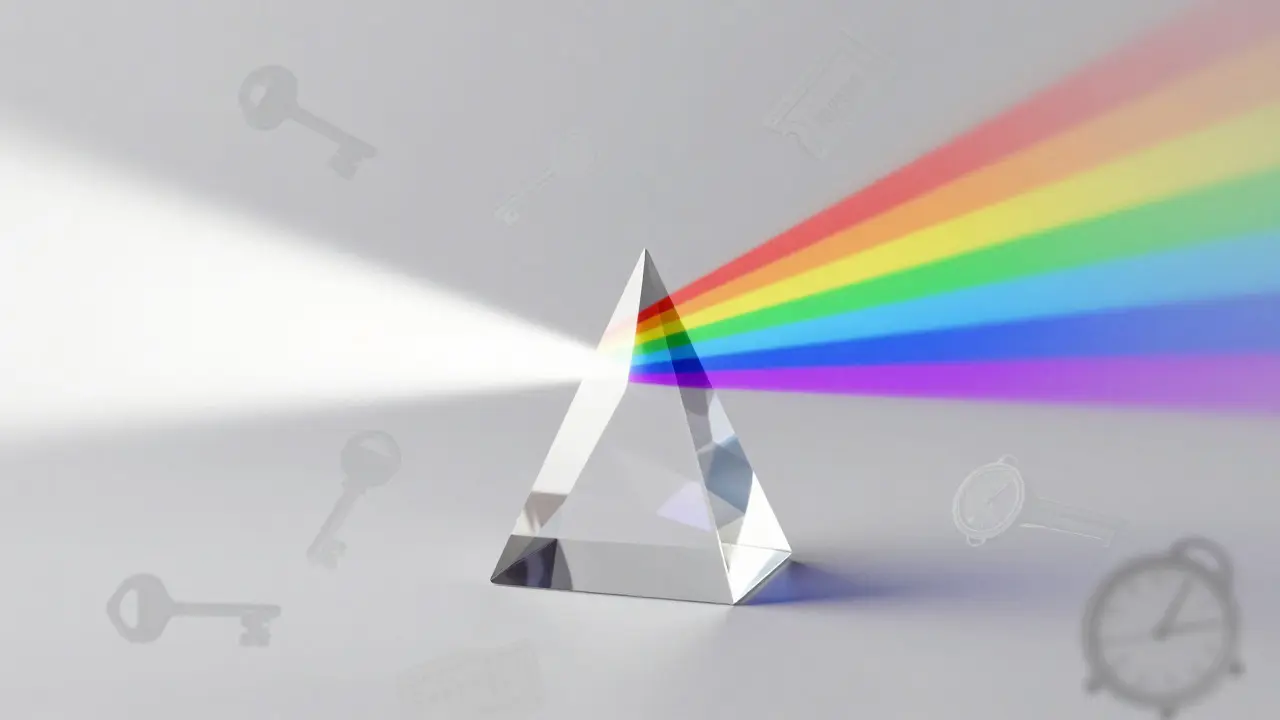
The bridge between the personal and the universal is emotion. If you describe the frustration of being misunderstood by a parent, the specific context matters less than the feeling of isolation. However, keeping the specific details intact adds texture. Think of it like a prism: the white light (universal emotion) enters, passes through the glass (specific personal detail), and emerges as a spectrum of color (unique artistic expression).
| Aspect | Surface Mining | Deep Mining |
|---|---|---|
| Focus | Headlines and outcomes | Process and sensory details |
| Emotion | Generalized (sad, happy) | Specific (frustrated, nostalgic) |
| Listener Connection | Low (feels generic) | High (feels intimate) |
| Example | "I lost my job" | "The hum of the fridge in the empty office" |
Using Interviews as a Creative Tool
You don’t always have to mine your own memory. Sometimes, the best content comes from listening to others. Conducting informal interviews with friends, family, or even strangers can be a goldmine for Oral History is the collection and preservation of historical information from individuals who have lived through significant events.
When you interview someone, you aren’t just collecting facts; you’re collecting voice. Pay attention to how they phrase things. Do they use metaphors? Do they pause before answering? Do they laugh at sad moments? These vocal quirks and linguistic patterns can inspire melody lines, rhythmic phrasing, and lyrical structure.
For example, if a friend tells you about their divorce using short, choppy sentences, that might inspire a staccato vocal delivery. If another friend speaks in long, flowing streams of consciousness about their travels, that could lead to a longer, melodic verse. By treating interviews as source material, you expand your pool of potential stories beyond your own immediate experience while maintaining authenticity.

Structuring the Narrative Arc
Once you have your mined content, you need to shape it. A random collection of memories won’t make a cohesive song. You need a narrative arc, even if it’s subtle. Most effective personal songs follow a simple trajectory: Setup, Conflict, and Resolution (or lack thereof).
- Setup: Establish the scene and the character (you). Use sensory details here to ground the listener.
- Conflict: Introduce the tension. This is where the "mined" pain or joy lives. It’s the moment the coffee goes cold, or the phone rings unexpectedly.
- Resolution: This doesn’t have to be a happy ending. In fact, ambiguous or unresolved endings often linger in the listener’s mind longer. It’s the final image or thought that encapsulates the lesson learned.
Keep the arc tight. In a three-minute pop song, you don’t have room for subplots. Focus on one core conflict and let the details support that single thread. This discipline ensures that your Song Structure is the arrangement of sections such as verses, choruses, and bridges in a piece of music. serves the story, not the other way around.
Overcoming Writer's Block Through Routine
Mining for content is hard work. It requires vulnerability. Many artists suffer from writer’s block not because they have nothing to say, but because they are afraid of saying it badly. To combat this, establish a non-negotiable routine.
Set aside 15 minutes a day specifically for journaling or voice-memo recording. Don’t aim for a song. Aim for five raw observations. Some days, you’ll find a gem. Other days, you’ll find nothing. That’s okay. The habit keeps the tap open. Over time, you’ll build a library of fragments-phrases, images, emotions-that you can combine later. This library becomes your safety net during dry spells.
Remember, the goal isn’t to document your entire life. The goal is to find the pieces of your life that resonate with the human condition. When you strip away the ego and the desire to impress, you’re left with the purest form of connection: one person sharing a slice of their reality with another. That is where meaningful content truly lives.
Do I need to share my whole life story to write good songs?
No. In fact, sharing too much can dilute the impact. Focus on specific moments or feelings that represent a larger theme. Listeners connect with fragments of truth, not biographies. A single detailed scene is often more powerful than a broad summary of events.
What if my personal stories are too mundane for music?
Mundane topics become interesting through perspective and execution. The act of paying close attention to ordinary moments elevates them. If you treat a grocery trip with the same intensity as a heartbreak, the contrast creates interest. It’s about how you frame the experience, not the scale of the event.
How can I use interviews without losing my own voice?
Use interviews as inspiration, not transcription. Listen for themes, rhythms, and emotions that resonate with your own experiences. Then, filter those elements through your own artistic lens. The result should feel like *your* interpretation of a shared human experience, not a direct quote from an interviewee.
Is it better to write about recent events or old memories?
Both have value. Recent events carry raw, immediate emotion, which can be intense but sometimes lacks clarity. Old memories have been processed by time, allowing you to see patterns and draw clearer conclusions. Often, the best songs blend fresh pain with the wisdom gained from looking back.
How do I know if a personal story is ready to be a song?
A story is ready when you can identify a clear emotional core and a specific sensory detail that anchors it. If you can summarize the feeling in one sentence and visualize the key scene clearly, you have enough material to start structuring the track. You can refine the details as you compose.