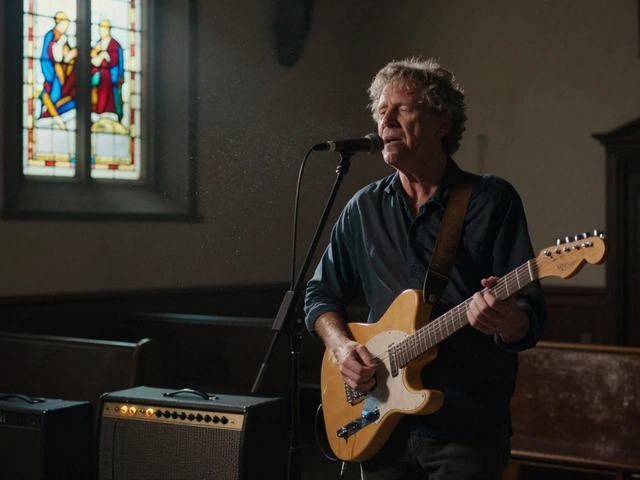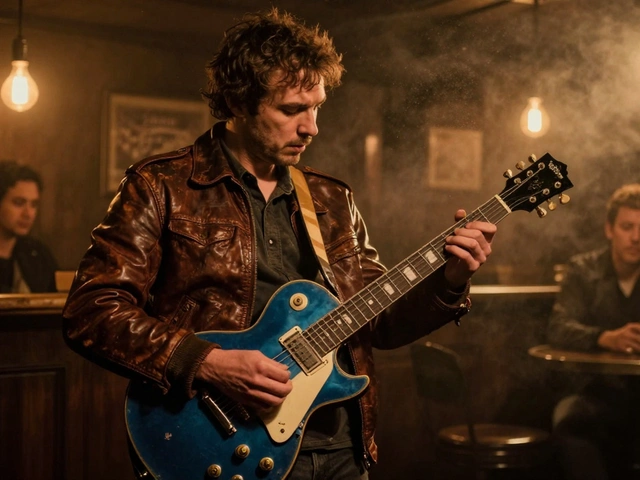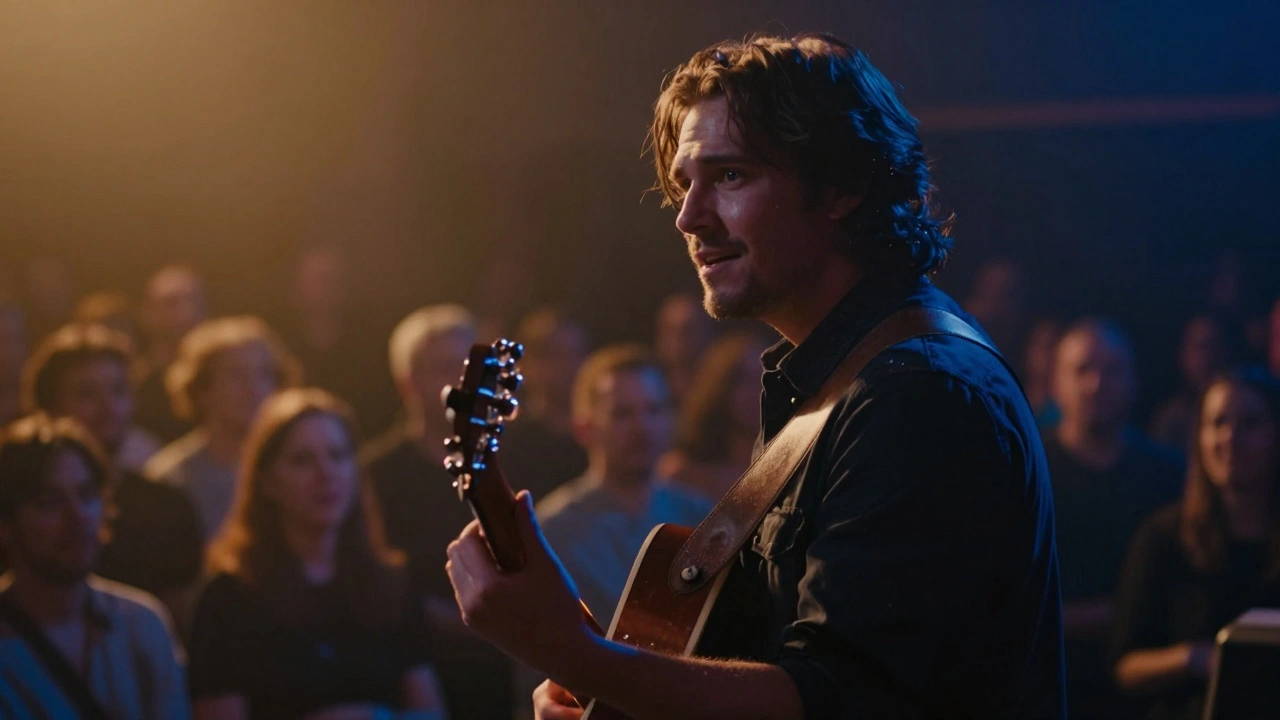
Imagine standing on stage after a killer set. The crowd is buzzing, the energy is high, and you just connected with people who truly felt your music. Now imagine walking off that stage and losing contact with every single one of them forever. That’s what happens when you don’t have a solid plan for post-show engagement. For blues artists, this moment is critical. Blues isn't just background noise; it's an emotional connection. If you want to turn casual listeners into loyal fans who buy tickets and merch, you need to capture their attention right then and there.
The Unique Challenge of the Blues Demographic
Blues audiences are different from pop or EDM crowds. They tend to be older, more traditional, and deeply value authenticity. According to industry data from the Recording Industry Association of America (RIAA), the core demographic for blues and roots music skews significantly toward adults aged 35-64. This group doesn't always flock to TikTok trends or Instagram reels. They prefer direct, personal communication. An email in their inbox feels like a letter from a friend, whereas a social media notification can feel like clutter.
This demographic shift changes how you approach fan acquisition. You aren't trying to go viral; you're trying to build trust. Trust takes time, but once you have it, these fans are incredibly loyal. They will travel to see you play, buy your vinyl records, and recommend you to their neighbors. The key is giving them a reason to stay connected after the lights go down.
| Channel | Audience Preference | Best Use Case | Conversion Rate Potential |
|---|---|---|---|
| Email List | High (Direct, Personal) | Ticket sales, deep storytelling | Very High |
| Social Media | Moderate (Discovery only) | Event reminders, short clips | Low to Moderate |
| Fan Club Membership | High (Exclusive) | Merch bundles, early access | Highest |
Capturing Emails Without Being Pushy
The biggest mistake musicians make is treating email collection like a chore. You stand at the merch table with a clipboard, looking tired, asking strangers for their email addresses. It feels transactional and cold. Instead, you need to make the exchange valuable. People give up their email because they want something specific, not because you demand it.
Here is a simple strategy that works well for blues acts. Offer immediate value. When someone buys a CD or a t-shirt, hand them a card that says, "Scan here to get a free digital download of our unreleased live track from last night." Or better yet, offer a discount code for their next purchase. "Join our list and get 10% off your next merch order." It’s simple, clear, and beneficial to them.
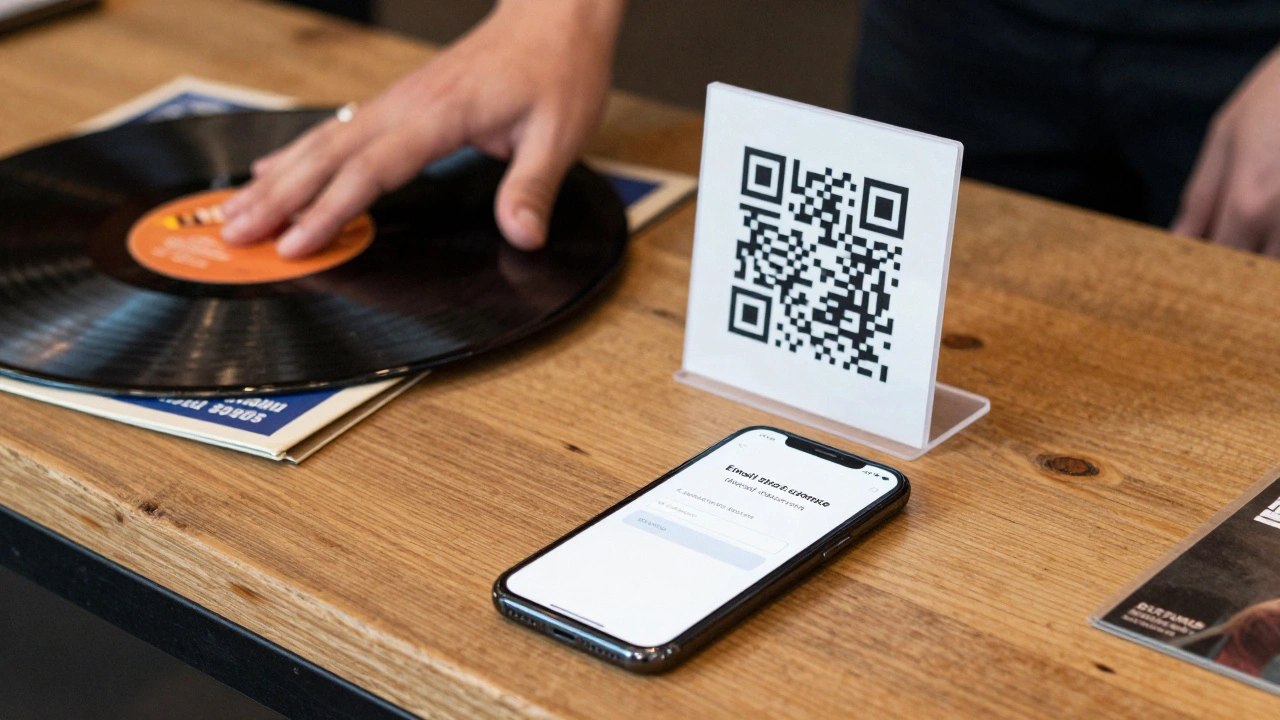
You also need the right tools. A physical QR code sign at the merch table is essential. Make sure the link goes to a mobile-friendly landing page. Most people will scan it while still holding their credit card receipt. If the form asks for too much information-like phone number, birthday, and street address-they will bounce. Just ask for their name and email. Keep it frictionless.
- The Hook: Offer a tangible reward (free song, discount, exclusive video).
- The Tool: A large, visible QR code at the point of sale.
- The Process: A one-field email signup form optimized for mobile devices.
- The Follow-up: An automated welcome email sent within minutes.
Building a Blues Fan Club That Actually Works
An email list is good, but a Fan Club is better. A fan club creates a sense of belonging. For blues fans, who often view themselves as connoisseurs of real music, being part of an inner circle matters. It validates their taste and connects them to the artist on a deeper level.
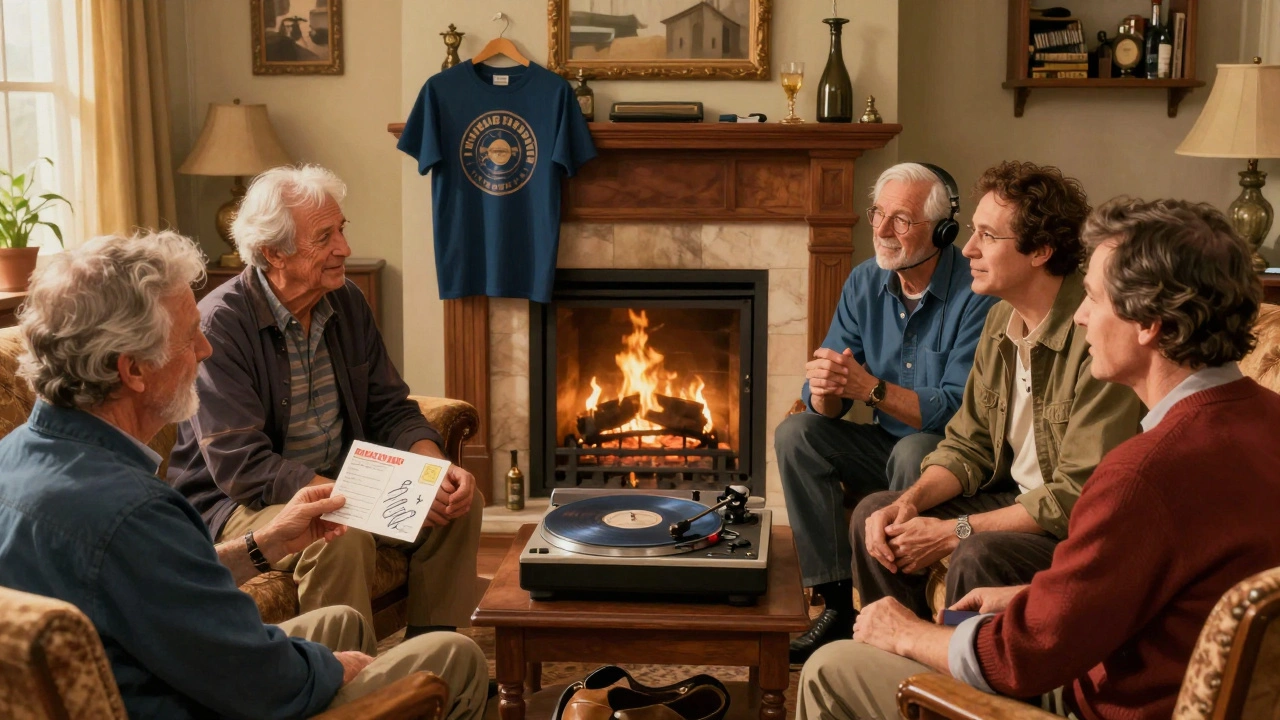
You don't need expensive software to start a fan club. Platforms like Patreon, Bandcamp Subscriptions, or even a dedicated segment in your email newsletter can work. The key is consistency and exclusivity. What do members get? Think about what fits the blues lifestyle. Maybe it’s a monthly listening party where you discuss the influences behind your latest album. Maybe it’s early access to tour dates before they hit Ticketmaster. Perhaps it’s a signed photo mailed directly to their home.
Consider the story behind the music. Blues is rooted in history and narrative. Your fan club content should reflect that. Share stories about the venues you’re playing, the gear you use, or the local musicians you’re jamming with in town. These details resonate with an audience that appreciates the craft. They aren't just buying a ticket; they are investing in your journey.
Leveraging Post-Show Momentum
The window for engagement is narrow. Research suggests that the likelihood of converting a new lead drops by nearly 40% if you wait more than an hour to follow up. So, what does a successful post-show routine look like?
First, send an automated thank-you email immediately after they join. Include the promised incentive. Then, within 24 hours, send a personal note. This doesn't mean writing individually to everyone if you have thousands of fans, but you can use merge tags to personalize it. "Hey [Name], thanks for coming out to [Venue] last night. I hope you enjoyed the set." Simple words, but they carry weight.
Next, segment your list. Not all fans are the same. Some came to one show and might never return. Others bought merch and joined the fan club. Tag them accordingly. If someone bought a shirt, send them a follow-up email a week later with care instructions or a behind-the-scenes look at how the shirts were made. If they just downloaded a song, send them links to similar tracks or upcoming radio appearances. Tailoring your message shows respect for their interest level.
Common Pitfalls to Avoid
Even with the best intentions, many artists stumble in their efforts to engage fans. One major error is over-communicating. Sending five emails a week will get you unsubscribed quickly. Blues fans appreciate quality over quantity. Aim for one substantial email per month, plus special announcements for tours or releases. Make each email worth opening.
Another pitfall is ignoring analytics. You need to know what’s working. Are people clicking on links to buy tickets? Are they opening the emails? Tools like Mailchimp or ConvertKit provide basic metrics. If your open rates drop below 15%, it’s time to refresh your subject lines or re-evaluate your content strategy. Don’t guess; look at the data.
Finally, don’t neglect the human element. Technology helps, but relationships drive loyalty. Reply to comments. Acknowledge repeat customers by name when you see them at shows. These small gestures build a community that supports you through lean times and celebrates with you during successes.
Measuring Success Beyond Numbers
It’s easy to get obsessed with subscriber counts. But a list of 10,000 inactive emails is useless compared to 500 engaged super-fans. Focus on metrics that matter: ticket sales conversion rate, merchandise revenue per fan, and referral rates. How many new fans come from existing ones sharing your content?
Track the lifetime value (LTV) of a fan. If a typical fan spends $50 on merch and $80 on tickets over two years, that’s $130. If you can increase that to $200 through better engagement and exclusive offers, your business grows without needing to find entirely new audiences. Retention is cheaper than acquisition. Always remember that.
What is the best tool for capturing emails at live shows?
A combination of a QR code sign and a mobile-optimized landing page is most effective. Services like Mailchimp, ConvertKit, or Beehiiv offer free tiers that allow you to create simple signup forms. Ensure the form only asks for an email address to reduce friction.
How often should I email my blues fan base?
For a traditional blues audience, once a month is ideal. This frequency keeps you top-of-mind without overwhelming their inbox. Increase frequency only for major events like tour announcements or album releases, ensuring each email provides significant value.
Is a paid fan club necessary for independent artists?
Not initially. Start with a free tier to build trust and gather data. Once you have a core group of engaged fans, introduce a paid tier with exclusive perks like limited-edition merch, private Q&A sessions, or early access to tickets. This gradual approach minimizes risk.
Why do blues fans prefer email over social media?
The core blues demographic tends to be older and values direct, personal communication. Email feels more intimate and less algorithmic than social media platforms. Fans are more likely to read detailed stories and updates in their inbox than scroll past them on a feed.
How can I incentivize email signups without giving away free music?
Offer discounts on merchandise, early access to concert tickets, or exclusive behind-the-scenes content like video diaries or studio logs. Physical rewards, such as a signed postcard or sticker included with a future order, also work well for tactile-oriented fans.