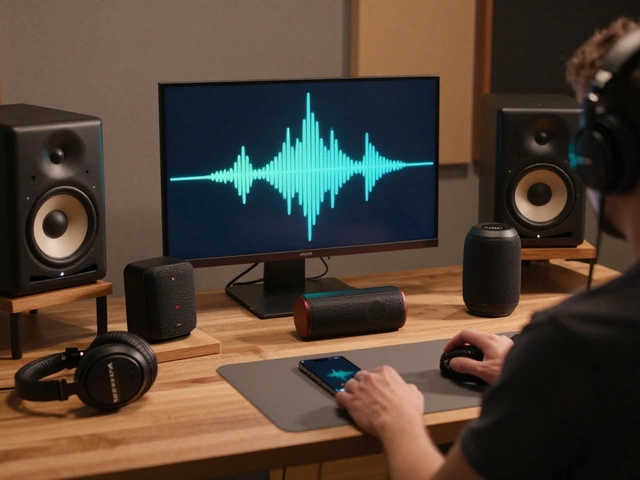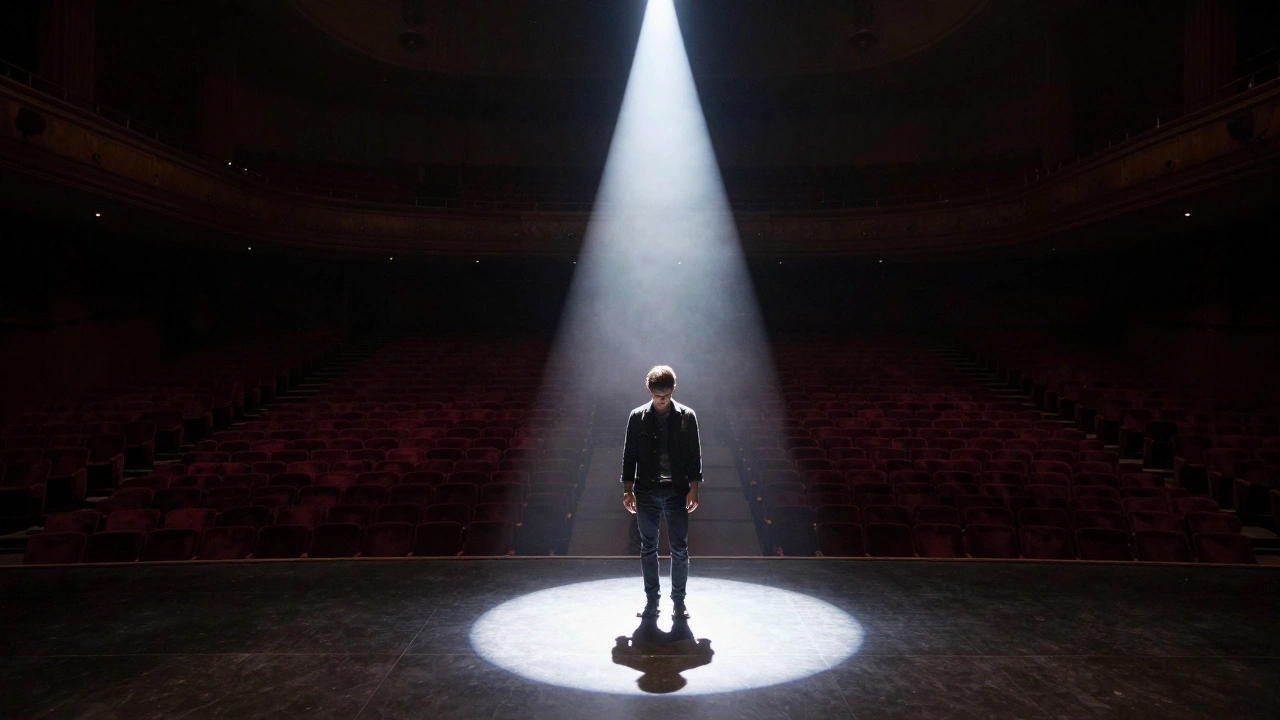
The goal isn't just to make sure the microphones work; it's about claiming the space. When you step onto a stage for the first time, the room is a stranger. A proper soundcheck ritual transforms that strange environment into a predictable tool. By the time the doors open, Robert wants to know exactly how the sound bounces off the back wall and how the humidity in the room affects the tuning of his instruments.
The Physical Warm-up and Gear Audit
Before a single cable is plugged in, Robert focuses on the body. You can't expect a high-performance show if your fingers are stiff or your breath is shallow. He starts with a 20-minute sequence of dynamic stretching and diaphragmatic breathing. This isn't just health advice; it's about lowering the cortisol levels that naturally spike before a big event. Once the body is ready, the gear audit begins.
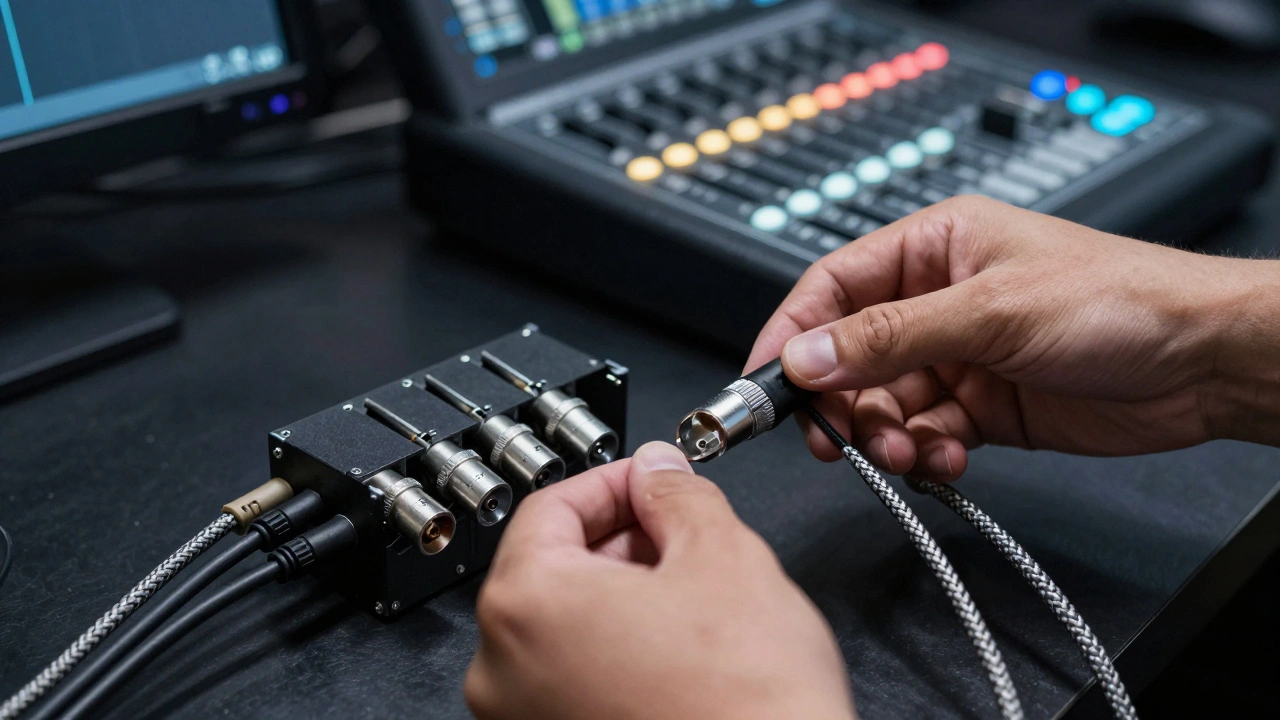
Robert treats his equipment like a surgeon treats their tools. He uses a rigorous checklist to ensure every XLR Cable is tested and every power supply is grounded. He doesn't trust the venue's house gear blindly. He carries his own set of high-quality cables to avoid the dreaded 'crackling' sound that often plagues older venues. This phase is all about removing variables. The less you have to worry about a cable failing, the more you can focus on the emotion of the song.
Dialing in the Monitor Mix
The biggest mistake performers make is trusting the Front of House (FOH) engineer to know what they need to hear. Robert believes the Monitor Mix is the lifeline of the performance. If you can't hear your own pitch or the click track, you're guessing, not performing. He spends a significant portion of the soundcheck working with the monitor engineer to create a balanced sonic environment.
He typically asks for a 'dry' mix in his in-ear monitors, meaning very little reverb. This allows him to hear the raw transients of his voice and instrument, making it easier to make micro-adjustments on the fly. He also ensures that the drums are tucked just behind his vocals, providing a rhythmic anchor without drowning out the lyrics. This precision prevents the common issue of 'stage volume creep,' where musicians keep turning up their amps because they can't hear themselves, eventually turning the show into a wall of noise.
The Acoustic Mapping Process
Every room is a different beast. A concrete warehouse in Berlin sounds nothing like a carpeted theater in Nashville. Robert performs what he calls 'acoustic mapping.' He doesn't just stand at the center mic; he moves to the edges of the stage and even walks into the crowd area during the check. He is listening for Standing Waves-those annoying frequencies that build up in corners and make certain notes sound boomy or distorted.
By identifying these dead zones early, he can adjust his positioning or ask the engineer to notch out specific frequencies using a Parametric EQ. This level of detail ensures that the sound is consistent whether he is standing at the front of the stage or leaning back into the drums. It's the difference between a show that sounds 'okay' and one that feels immersive.
| Priority | Focus Area | Goal | Typical Time Spent | Critical | In-Ear Monitors | Perfect pitch and timing alignment | 30-45 Minutes |
|---|---|---|---|
| High | Vocal Chain | Eliminating feedback and peaks | 20 Minutes |
| Medium | Instrument Balance | Blending with the band's frequency | 15 Minutes |
| Low | Atmospherics | Adding reverb/delay for mood | 10 Minutes |
Psychological Anchoring and Mental Rehearsal
Once the technical side is locked in, the ritual shifts from the ears to the mind. Robert uses a technique called 'psychological anchoring.' He spends five minutes in total silence on the stage, visualizing the flow of the setlist. He imagines the transition from a high-energy opener to a stripped-back ballad, mentally mapping where he will stand for each song.
This prevents the 'deer in the headlights' feeling that happens when the lights go down and the crowd roars. By simulating the performance in his head while standing in the actual space, he creates a mental blueprint. When the real show starts, his brain recognizes the environment as 'safe' and 'familiar,' which allows him to enter a state of flow more quickly. He isn't thinking about the gear or the room anymore; he is thinking about the music.
The Final Hand-Off and Quiet Period
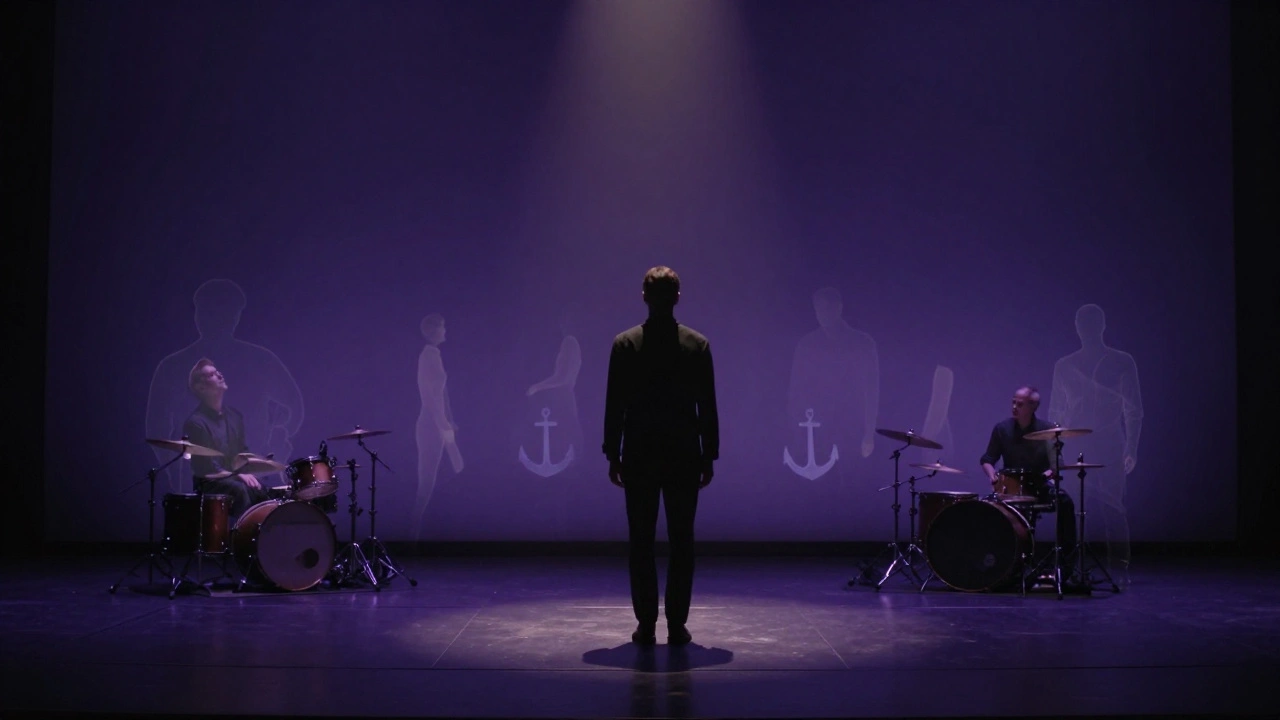
The final step of the ritual is the hand-off. Once the levels are set, Robert stops playing. He doesn't want to burn out his voice or lose his mental focus by idling on stage. He has a strict 'quiet period' of at least 30 minutes before the doors open. During this time, he steps away from the stage entirely, drinks room-temperature water, and avoids talking to anyone who is stressed.
This boundary is essential. The energy of a backstage area can be chaotic, with roadies rushing and promoters worrying about ticket counts. By isolating himself, Robert preserves his emotional energy. He treats the transition from the soundcheck to the stage as a sacred bridge. When he finally returns to the wings, he isn't just a guy with a guitar-he is a performer who has already conquered the room.
Common Soundcheck Pitfalls to Avoid
Robert often warns emerging artists about the 'everything loud' trap. When a band is nervous, they often ask for more volume in their monitors to compensate for their anxiety. This is a recipe for disaster. Too much volume masks the nuances of the performance and leads to fatigue. Instead, focus on clarity over volume. If you can't hear a specific instrument, don't just turn everything up; ask the engineer to carve out space for that specific frequency.
Another common error is skipping the 'worst-case scenario' check. Robert always tests his gear at the most extreme positions on stage. What happens if he moves three feet to the left? Does the microphone start to howl? Finding the feedback threshold during the soundcheck is a thousand times better than finding it during the bridge of your hit song in front of a crowd.
Why is the monitor mix more important than the main house sound?
The house sound is what the audience hears, but the monitor mix is what the artist hears. If you can't hear yourself accurately, you cannot correct your pitch, timing, or dynamics. A great house mix can't save a performance where the artist is singing out of tune because they couldn't hear their own voice.
What is a parametric EQ and why does it matter for live shows?
A parametric EQ allows an engineer to select a very specific frequency and either boost or cut it. In live settings, this is used to remove 'room modes' or feedback frequencies that cause that piercing screeching sound, ensuring the audio remains clean and professional.
How do you deal with acoustic 'dead zones' on stage?
The best way to handle dead zones is to find them during soundcheck by walking the stage. Once identified, you can either avoid those spots during the performance or work with the sound engineer to adjust the speaker angles and EQ to compensate for the lack of sonic reflection.
Is it better to use In-Ear Monitors (IEMs) or floor wedges?
IEMs are generally preferred for professional tours because they provide a consistent mix regardless of where you are on stage and protect your hearing from extreme volumes. Floor wedges are great for a more 'organic' feel and better stage vibration, but they are more prone to feedback and inconsistent coverage.
How long should a professional soundcheck actually take?
Depending on the venue size, a thorough check usually takes between 60 to 120 minutes. This includes line-checking every instrument, balancing the monitors, mapping the room's acoustics, and a final run-through of a few key song sections to ensure transitions are smooth.