Paulina Hill isn’t just a musician. She’s part of a living, breathing musical family that has shaped the sound of Robert Hill Projects for over a decade. If you’ve ever listened to their albums and wondered why the harmonies feel so deep, so effortless, it’s because they’re not just bandmates - they’re siblings, parents, and cousins who’ve grown up singing together around kitchen tables, campfires, and tiny touring vans.
How It All Started
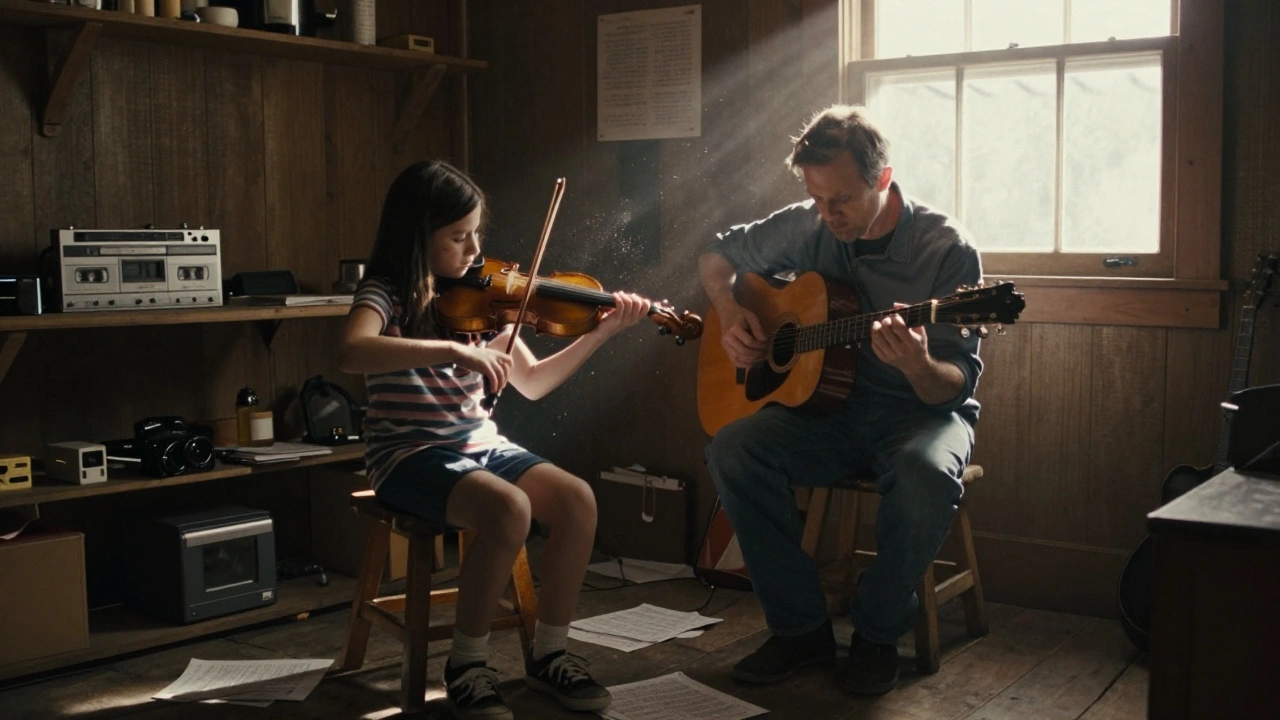
The story begins in the early 2000s in rural Oregon, where Robert Hill, a self-taught guitarist and songwriter, started writing songs in his basement. He didn’t set out to form a band. He just wanted to record what he was feeling. His daughter, Paulina, then 12, would sit in the corner with her violin, quietly playing along. He didn’t ask her to. She just did. That’s how it began.
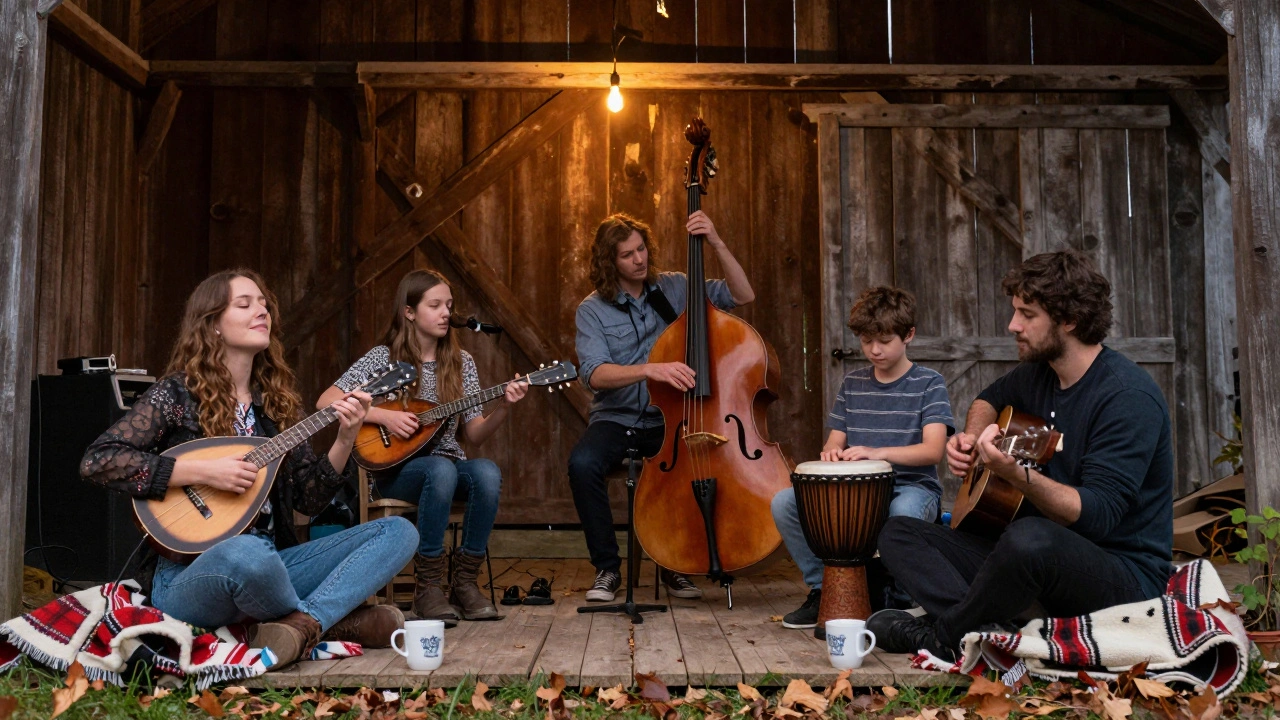
By 2008, Robert’s two other children - Eli, on upright bass, and Mara, on mandolin - started joining in. Their mother, Lila, had never performed publicly, but she had a voice that could stop a room. She began harmonizing on weekends. Soon, their cousin Jonah, a percussionist who’d been studying West African drumming in college, showed up with a djembe and never left. What started as weekend jams became weekly sessions. By 2011, they recorded their first album, Roots in the Rain, in a borrowed barn with one microphone and no producer.
The Sound of Shared History
Most bands build chemistry through rehearsal. Robert Hill Projects built theirs through decades of shared meals, arguments, and quiet moments in the backseat of a van driving from one small-town venue to another. You can hear it in their music.
Paulina’s voice - clear, warm, and slightly rough around the edges - carries the lead on most tracks. But it’s the way her harmonies lock with Lila’s lower register that creates the signature sound. It’s not tuned in a studio. It’s tuned in years of singing lullabies, holiday carols, and road songs that no one ever wrote down.
Eli’s basslines don’t follow standard patterns. They breathe. They pause. They echo the rhythm of their father’s guitar strums, not because he studied music theory, but because he’s spent his whole life listening to how Robert’s fingers move when he’s thinking.
Jonah’s percussion is the heartbeat of the group. He doesn’t play drums to keep time. He plays to reflect the mood of the room. If Paulina’s singing feels heavy, he taps lightly. If the chorus lifts, he brings in the djembe’s deep ring. It’s intuitive. It’s family.
Why They Don’t Have a Manager
Most indie acts hire managers, bookers, publicists. Robert Hill Projects don’t. They don’t need to.
Everything runs through a shared Google Doc. Tour dates? Decided at Sunday dinner. Album artwork? Mara paints it. Merch? Paulina designs it on her laptop after putting the kids to bed. Booking shows? Robert calls venues he’s played before - the same ones he’s known since 2005.
They turned down a major label offer in 2017. The contract demanded they stop including family members in live shows. The label wanted Paulina to be the ‘face’ of the band. They said no. They’ve never looked back.
Instead, they built their own ecosystem. Their Patreon has 8,000 members. Most are people who’ve followed them since their first basement recording. They get early access to demos, handwritten lyrics, and home videos of rehearsals. One fan posted a clip of Paulina teaching her nephew how to hold a bow. It got 2 million views.
The Music Isn’t Perfect - And That’s the Point
If you listen closely to their 2024 album, Still Here, you’ll hear a cough during the bridge of ‘October Light’. You’ll hear a door slam in the background of ‘Winter Train’. You’ll hear Eli miss a note on track five and keep going.
They don’t fix those moments. They keep them.
That’s not a flaw. It’s the point. This music isn’t made to be flawless. It’s made to be real. Paulina once said in an interview: “We’re not putting on a show. We’re sharing a life.”
That’s why their concerts feel like house parties. People don’t just come to hear songs. They come to feel something they’ve forgotten - the comfort of being known, the quiet joy of singing with people who’ve seen you grow up.
What’s Next?
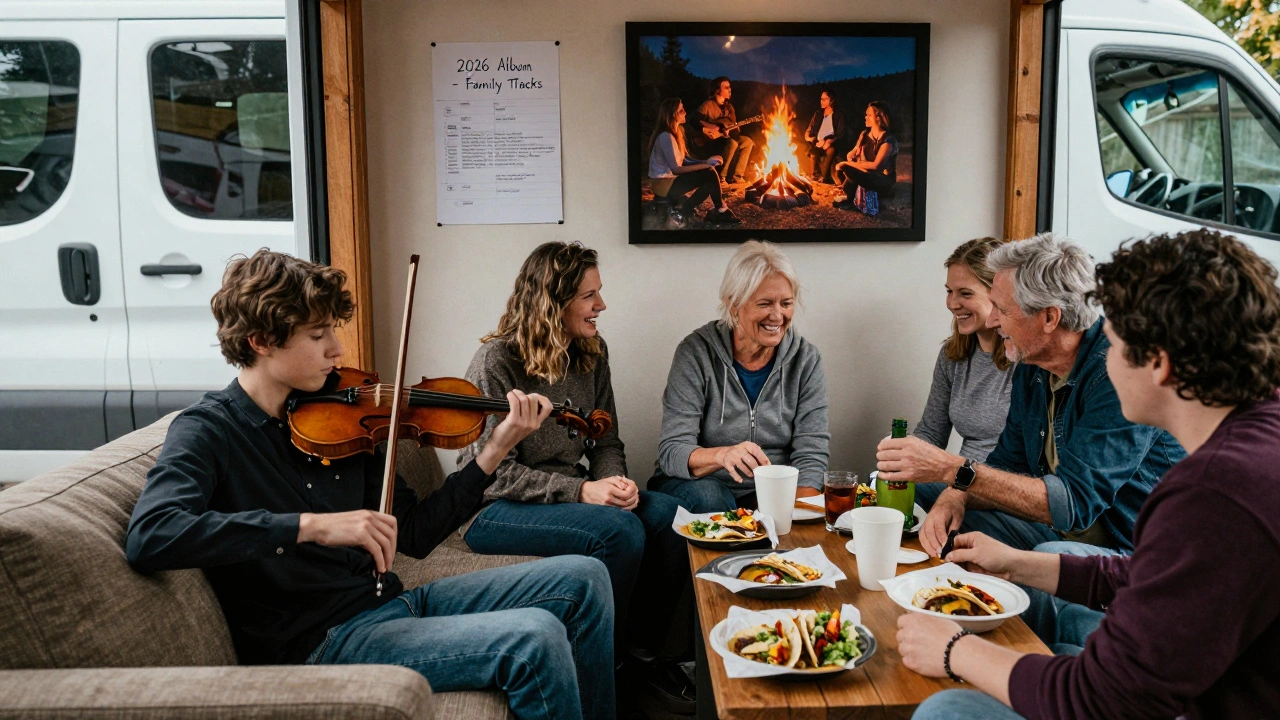
Paulina’s 17-year-old son started learning fiddle last year. He showed up at their last recording session and played a simple melody over the outro of a new song. Robert didn’t say a word. He just turned the mic on.
The next album, set for late 2026, will include three tracks with him. There’s also talk of a documentary - not about fame or success, but about what happens when music isn’t a career. When it’s just what you do together.
They’ve never charted. They’ve never gone viral. But every year, they sell out 37 shows across the Pacific Northwest. People don’t come for the name. They come because they know - somewhere in the harmony, in the missed note, in the laughter between verses - they’ll hear a piece of their own family.
Who is Paulina Hill in Robert Hill Projects?
Paulina Hill is the lead vocalist and violinist for Robert Hill Projects. She’s also Robert Hill’s daughter and has been a core member of the band since childhood. Her voice and playing define much of the group’s emotional tone, and she’s become the de facto creative director for their visual and lyrical direction.
Are all members of Robert Hill Projects related?
Yes. The core members are family: Robert Hill (father and founder), Paulina Hill (daughter), Eli Hill (son), Mara Hill (daughter), Lila Hill (mother and harmony vocalist), and Jonah Reyes (cousin and percussionist). Their music is built on decades of shared life, not just musical training.
Why do Robert Hill Projects avoid professional management?
They turned down a major label deal in 2017 that required them to remove family members from performances. Instead, they chose independence. All operations - booking, design, merch, and releases - are handled internally by the family. This keeps their creative control intact and maintains the authenticity of their music.
What makes their music sound different from other indie bands?
Their harmonies aren’t rehearsed - they’re inherited. The way Paulina’s voice blends with her mother’s, or how Eli’s bass follows Robert’s guitar, comes from years of singing together at home. Their imperfections - coughs, door slams, missed notes - are kept in the recordings. This rawness creates a connection that feels personal, not produced.
Do they have new music coming out?
Yes. Their next album, scheduled for late 2026, will include contributions from Paulina’s 17-year-old son, who plays fiddle. It’s the first time a younger generation has been formally included in their recordings. The album will also feature a documentary-style audio track of a family dinner where they discuss the songs.