Most musicians send a generic email with a link to their Spotify profile and wonder why the response rate is so low. Podcast hosts get dozens of pitches a week, and if your media kit doesn't tell them exactly why you fit their show in under ten seconds, you're likely going into the spam folder.
A strong podcast media kit is not just a fancy PDF. It is a strategic tool that bridges the gap between your art and the host's content strategy. When you understand what a host needs-audience retention, niche relevance, and easy-to-share assets-you can build a pitch that feels like a gift rather than a request.
What Actually Goes Into a Musician’s Media Kit?
Before you start designing, you need to strip away the fluff. A host does not care about your childhood story or every band you’ve ever played with unless it directly relates to the episode topic. Your kit should be concise, visual, and data-driven.
The core components include:
- Artist Bio (Short & Long): Keep the short bio under 100 words. Focus on your current project, genre, and unique selling point. The long bio can go up to 300 words but must still be punchy.
- High-Res Photos: Include at least three professional headshots and one action shot. Hosts love visuals for social media teasers. Ensure they are high-resolution (at least 300 DPI) and clearly named.
- Audio Samples: Provide direct links to your top three tracks. Do not attach MP3 files; they clog inboxes. Use streaming links or a dedicated landing page.
- Social Proof: List recent press mentions, radio plays, or playlist adds. If you don’t have major press, highlight local community support or specific fan milestones.
- Contact Info: Make it impossible to miss. Include your manager’s email, booking agent contact, and a direct phone number if appropriate.
Think of this as your digital handshake. It should feel effortless for the host to pull information from it. If they have to dig through a five-page document to find your email, you’ve already lost.
Why Generic Pitches Fail (And How to Fix Them)
The biggest mistake musicians make is treating every podcast as the same target. You cannot send the same template to a jazz history show and a lo-fi hip-hop mixtape review. Personalization is the single highest-leverage factor in your success rate.
When you research a show, look for these three things:
- Recent Episodes: What topics did they cover in the last month? Did they interview someone similar to you? This tells you where you fit in.
- Audience Demographics: Check their website or social media. Are they targeting indie fans, industry professionals, or casual listeners? Adjust your language accordingly.
- Show Format: Is it a deep-dive conversation, a quick Q&A, or a performance-based segment? Tailor your proposed talking points to match the format.
In your pitch email, reference a specific episode. For example, “I loved your breakdown of synth-wave evolution in Episode 42. My new album explores similar textures but with a live drum focus.” This shows you listened, which builds instant credibility.
Structuring Your Pitch Email for Maximum Open Rates
Your email is the front door to your media kit. If the subject line is boring, the kit never gets opened. Avoid phrases like “Guest Opportunity” or “Collaboration.” Instead, use curiosity or value-driven hooks.
Here is a proven structure for your email body:
- Subject Line: Short, specific, and relevant. Example: “New Album: Live Drums x Synth Textures (Similar to Ep. 42)”
- Opening Line: Compliment a specific recent episode. Keep it to one sentence.
- The Hook: Briefly state who you are and why you are a perfect fit for *this* show. Mention one key achievement or angle.
- The Ask: Clearly state what you are offering. A 20-minute interview? A track preview? Be specific about time commitment.
- The Call to Action: Link to your media kit. Keep it simple. “My full media kit is here: [Link]”
- Closing: Professional and brief. No long sign-offs.
Keep the entire email under 150 words. Hosts read emails on their phones. If they have to scroll twice, they might stop reading. Your goal is to get them to click the link, not to read a novel in the inbox.
Design Tips That Make Your Kit Stand Out
You don’t need to be a graphic designer, but your kit needs to look professional. Inconsistent fonts, blurry images, and cluttered layouts signal amateurism. Use tools like Canva or Adobe Express to create clean, modern templates.
Follow these design rules:
- Consistent Branding: Use your logo, brand colors, and fonts throughout. This reinforces your identity.
- White Space: Don’t cram everything onto one page. Let the text breathe. White space makes information easier to scan.
- Mobile Optimization: Many hosts will view your kit on a tablet or phone. Ensure text is large enough to read without zooming.
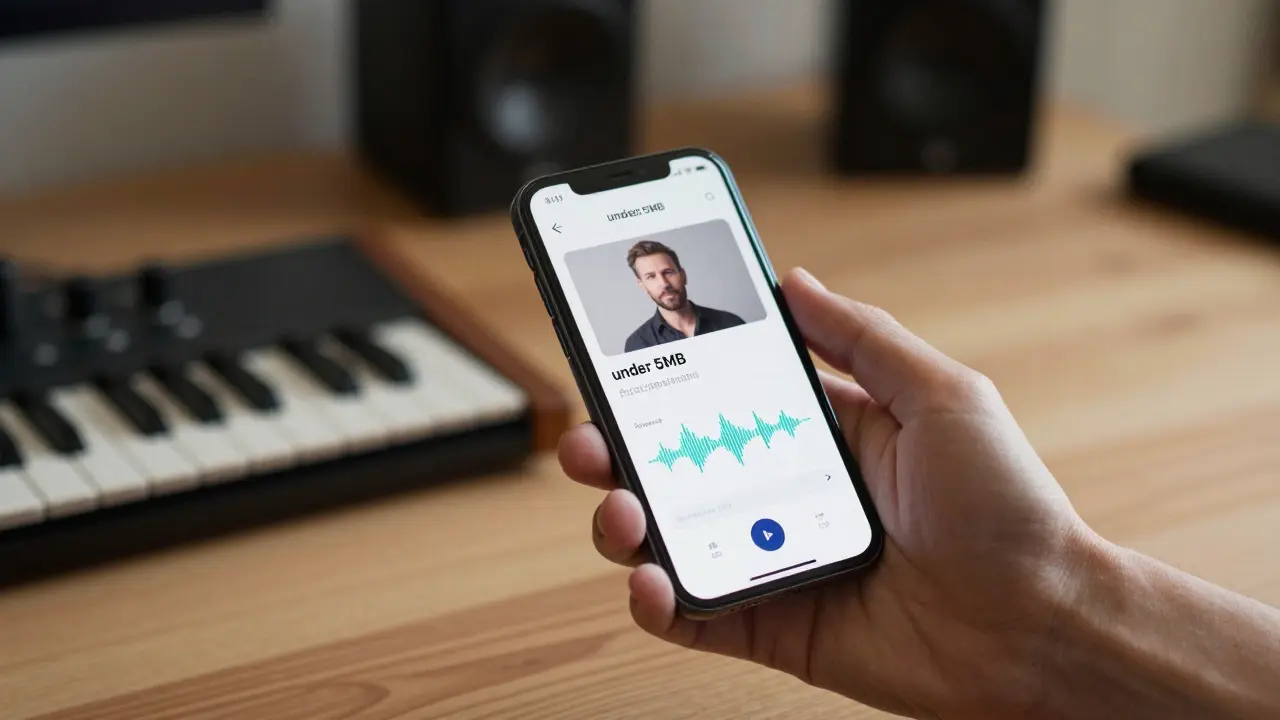
- File Size: Keep your PDF under 5MB. Large files slow down loading and may fail to open on mobile devices.
Include a QR code on the first page that links to your latest single. This is a clever touch that allows the host to listen immediately while reviewing your info. It reduces friction and increases the chance they engage with your music right away.
Common Mistakes to Avoid in Your Pitch
Even with a great kit, small errors can ruin your chances. Here are the pitfalls that get musicians ignored:
- Attaching Files: Never attach your media kit as a PDF to the email. Always use a link. Attachments trigger spam filters and are hard to open on mobile.
- Vague Talking Points: Don’t say “We can talk about music.” Say “We can discuss the production choices behind my new track ‘Midnight Drive’ and how it differs from my debut.” Specificity shows preparation.
- Following Up Too Soon: Wait at least 5-7 business days before following up. If you ping them after two days, you seem desperate. One polite follow-up is fine; two is annoying.
- Ignoring Time Zones: Send your email during the host’s morning hours. If they are in New York and you are in London, send it Tuesday morning UK time, which is Monday night US time. This puts your email at the top of their inbox when they start work.
Also, avoid using all caps in your subject line. It looks like spam. Keep it professional and human.
Measuring Success and Iterating Your Strategy
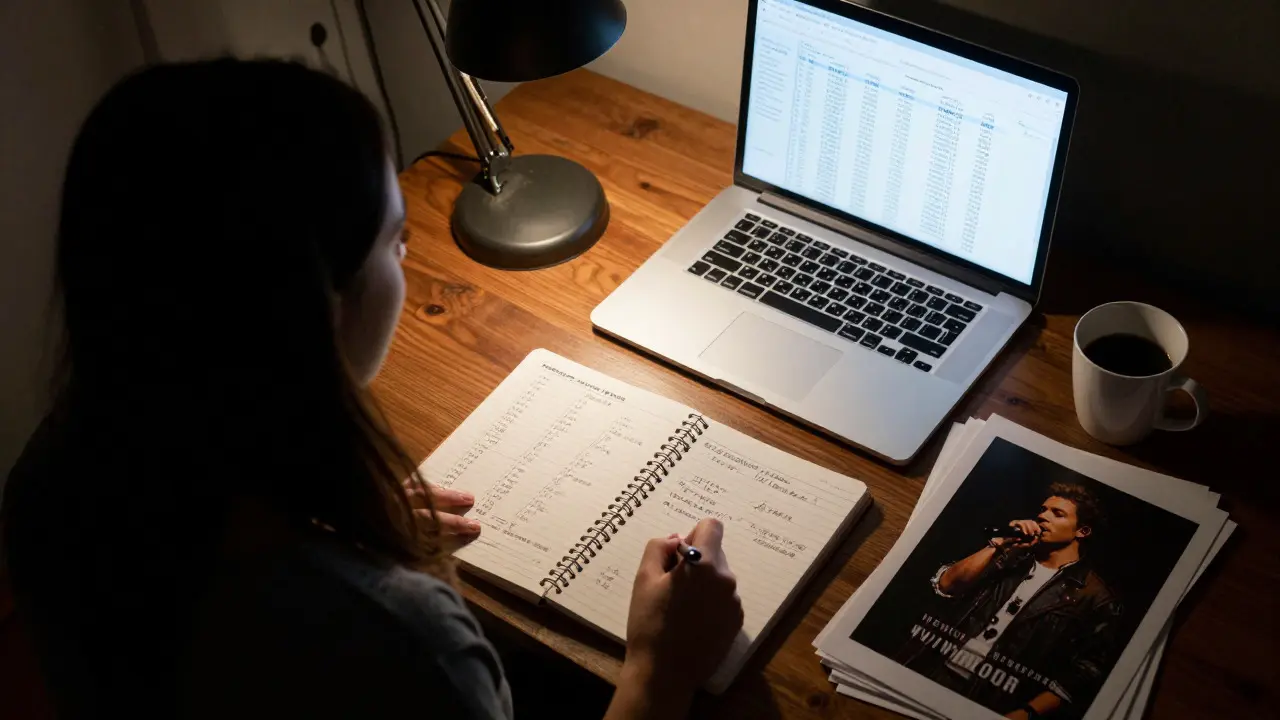
Pitching is a numbers game. Track your outreach in a simple spreadsheet. Record the date sent, the podcast name, the host, the subject line, and the outcome (reply, no reply, booked).
After sending 20-30 pitches, analyze your data. Which subject lines got the most opens? Which podcasts responded fastest? Did mentioning a specific episode increase your reply rate? Use this data to refine your approach.
If your response rate is below 10%, revisit your personalization. If it’s above 20%, you’re on the right track-just keep scaling. Remember, rejection is normal. Even established artists get ignored by some shows. Persistence and precision win over volume alone.
| Element | Effective Approach | Ineffective Approach |
|---|---|---|
| Subject Line | Specific, references recent episode, clear value | Generic (“Hi,” “Guest Spot”), vague |
| Media Kit Format | Linked PDF, under 5MB, mobile-friendly | Attached file, large size, desktop-only layout |
| Talking Points | Specific topics tied to show format | Broad statements like “talk about music” |
| Follow-Up | One polite nudge after 7 days | Multiple pings within 48 hours |
| Personalization | Mentions specific episode details | Copy-paste template for all shows |
Frequently Asked Questions
How long should a podcast media kit be?
Aim for 2-3 pages maximum. Page 1 should have your headline info, photos, and contact details. Page 2 can include bios and social proof. Page 3 can hold additional audio links or press clippings. Anything longer risks losing the reader’s attention.
Should I send my media kit as an attachment or a link?
Always use a link. Attachments often trigger spam filters and are difficult to open on mobile devices. A link to a hosted PDF (via Dropbox, Google Drive, or your website) is cleaner, faster, and more professional.
How many podcasts should I pitch per week?
Quality over quantity. Aim for 5-10 highly personalized pitches per week. Spending time researching each show yields better results than blasting 50 generic emails. Track your responses to find the sweet spot for your workflow.
What if a podcast doesn’t respond?
Wait 5-7 business days, then send one polite follow-up email. Reference your original message briefly and reiterate your interest. If there’s no response after the follow-up, move on. Don’t take it personally; hosts are busy and may simply lack bandwidth.
Do I need a professional photographer for my media kit?
Yes, invest in at least one professional photo session. Blurry or casual photos undermine your professionalism. If budget is tight, hire a local photographer for a few hours to capture high-quality headshots and action shots. These images will serve you for years across multiple platforms.