There is a specific kind of magic in the raw energy of a live show. But for collectors and fans trying to capture that moment, the source matters more than most people realize. When comparing Robert Hill’s professional soundboard recordings against standard audience tapes, you aren't just choosing between two files; you are choosing between two completely different listening experiences. One offers surgical precision and clarity, while the other delivers chaotic, immersive realism.
The debate often centers on what "better" actually means. Is it about hearing every note clearly? Or is it about feeling like you were standing in the crowd? Understanding the technical and emotional differences helps you decide which format serves your needs best, whether you are archiving history or just enjoying the music at home.
What Defines a Professional Soundboard Recording?
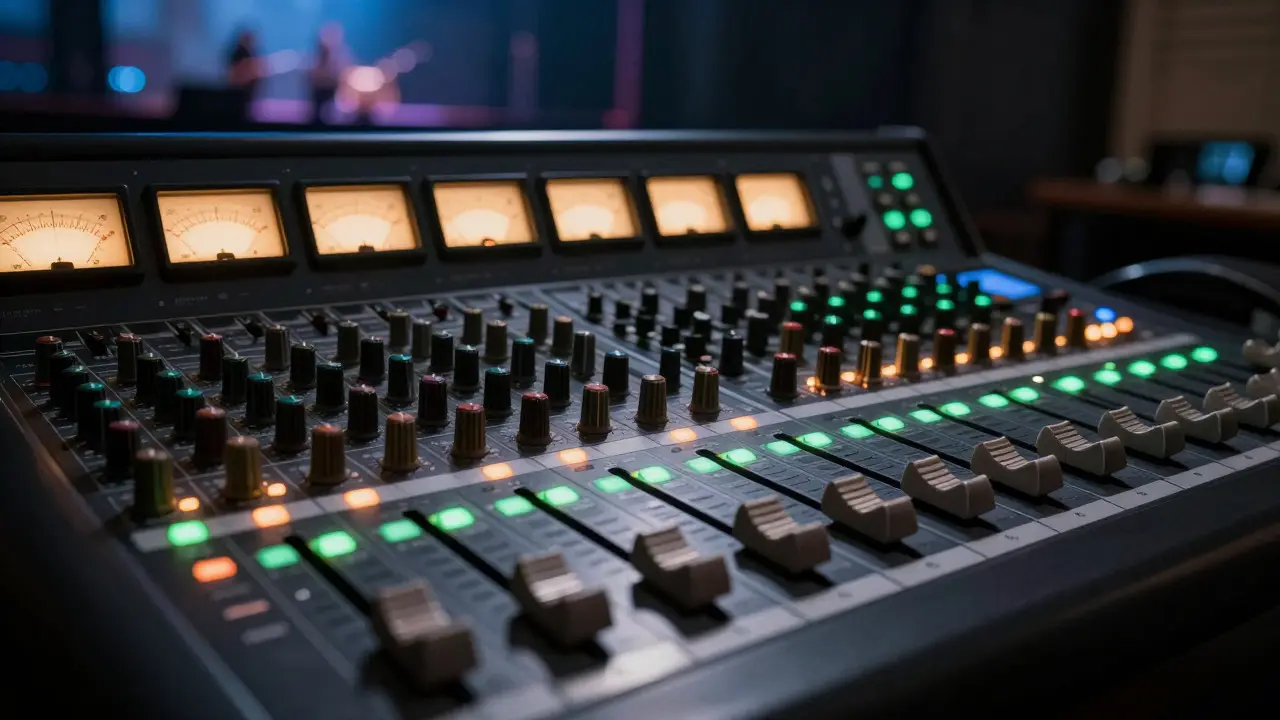
A Soundboard recording is a high-fidelity audio capture taken directly from the mixing console at the venue's front of house or stage. This setup captures the exact signal path the engineers use to balance the band for the entire room. For artists like Robert Hill, who perform with complex instrumentation and layered vocals, this method preserves the intended sonic architecture of the performance.
Because the microphones are positioned specifically for each instrument-drums, guitars, bass, and vocal stems-the result is a clean, separated mix. You hear the cymbal crash without the bleed from the kick drum. You hear the subtle vibrato in a vocal line without the background noise of a coughing fan in row five. The frequency response is usually flat and controlled, meaning the low end doesn't muddy up the mids, and the highs don't get harsh due to poor microphone placement.
The Nature of Audience Tapes and Their Charm
Audience tape is an informal recording made by a fan using a portable device, typically placed in the crowd or near the stage barrier. These recordings have been the lifeblood of bootleg culture since the early days of rock and roll. They capture the event as it happened to the listener, not as it was engineered to be heard.
The defining characteristic of an audience tape is its environment. You hear the reverb of the concrete walls, the hum of the HVAC system, and the collective breath of thousands of people. If a guitar string snaps or a drummer slips on sweat, you catch it. This lack of control creates a sense of immediacy. It feels dangerous and real. However, this comes at a cost: dynamic range compression. Loud moments can clip, and quiet moments might get lost in the ambient noise floor.

Technical Comparison: Clarity vs. Atmosphere
To understand the gap, we need to look at specific audio attributes. Below is a breakdown of how these two formats stack up against each other in key technical areas.
| Attribute | Soundboard Recording | Audience Tape |
|---|---|---|
| Signal Source | Mixing Console (Direct Feed) | Portable Recorder (Ambient Capture) |
| Noise Floor | Very Low / Inaudible | High (Crowd, Room Reverb, Electronics) |
| Dynamic Range | Wide and Controlled | Compressed / Limited |
| Stereo Image | Precise and Intentional | Wide but Unpredictable |
| Immersive Factor | Low (Studio-like) | High (Live Event Feel) |
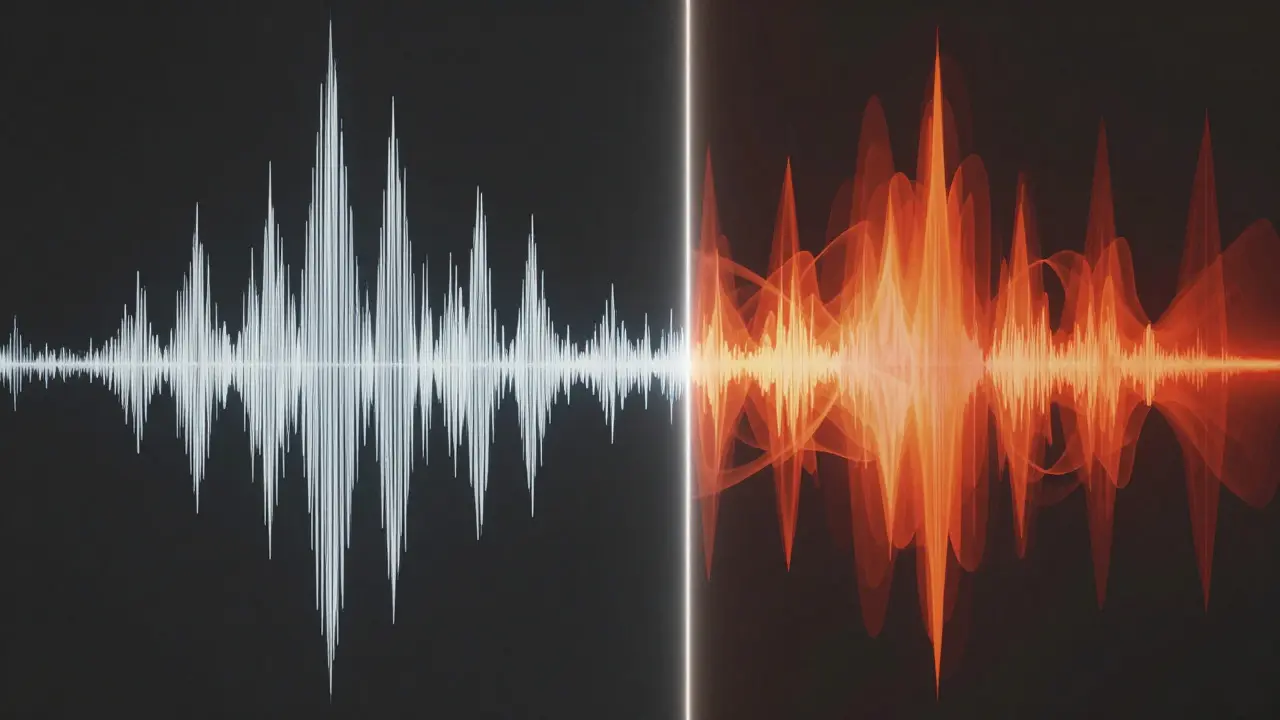
The stereo image is a crucial differentiator. A soundboard provides a curated stereo field where the lead vocal is centered and instruments are panned intentionally. An audience tape, depending on where the recorder was placed, might have the drums sounding like they are coming from the left ear only, or the vocals might feel distant if the recorder was too far back. While less precise, this wide, uncontrolled stereo spread often translates to a more enveloping experience for casual listeners.
Impact on Live Performance Nuances
When analyzing specific performances by Robert Hill, the difference becomes stark in how ad-libs and improvisations are handled. In a soundboard, a spontaneous vocal run is captured with crisp definition. Every consonant is distinct. In an audience tape, that same run might get smeared by the room’s acoustics. The fast transients of the snare drum can mask the lower frequencies of the bass guitar, making the rhythm section feel heavier but less defined.
However, audience tapes excel at capturing the interaction between the artist and the crowd. The roar of applause after a powerful chorus is part of the song in these recordings. For a live album release, producers often blend both sources. They use the soundboard for the instrumental backbone and overlay selected audience tracks to add texture and energy. This hybrid approach gives the best of both worlds: clarity and chaos.
Which Format Should You Choose?
Your choice depends entirely on what you value in your listening session. There is no single "correct" answer, but there are clear use cases for each.
- Choose Soundboard if: You want to analyze the musical composition, you listen on high-end studio monitors, or you prefer a clean, polished sound that highlights individual instruments. This is ideal for archival purposes or critical listening.
- Choose Audience Tape if: You want to relive the atmosphere of the night, you listen on consumer-grade speakers or headphones, or you enjoy the authenticity of a raw, unedited event. This is better for nostalgia and emotional connection.
If you are building a personal collection, consider keeping both. The soundboard serves as the reference track, while the audience tape serves as the memory track. Together, they provide a complete picture of the performance that neither could offer alone.
Frequently Asked Questions
Is a soundboard recording always higher quality than an audience tape?
Technically, yes, in terms of fidelity and signal-to-noise ratio. However, "quality" is subjective. An audience tape may be considered higher quality by some listeners because it captures the authentic vibe and energy of the live event, which a sterile soundboard recording might miss.
Can audience tapes be cleaned up to match soundboard quality?
To a limited extent. Modern software can reduce crowd noise and correct pitch issues, but it cannot restore the missing separation between instruments or remove the natural reverb of the venue. Over-processing an audience tape can make it sound artificial and lose its charm.
Why do some live albums use a mix of both sources?
Producers use a hybrid approach to balance clarity with energy. The soundboard provides a stable foundation for the instruments, while audience tracks are added to include crowd reactions, room ambience, and the raw power of the performance. This creates a fuller, more engaging final product.
What is the main disadvantage of a soundboard recording?
The main disadvantage is the lack of atmosphere. Because it captures the direct feed, it often sounds similar to a studio recording. Listeners who value the unique acoustic properties of a specific venue or the communal experience of a live show may find soundboard recordings too dry or clinical.
How does microphone placement affect audience tape quality?
Placement is critical. A recorder placed close to the stage will capture more direct sound but also more physical noise from the barrier. A recorder placed further back will capture more room reverb and crowd noise but less detail from the instruments. The angle and distance determine the balance between clarity and atmosphere.