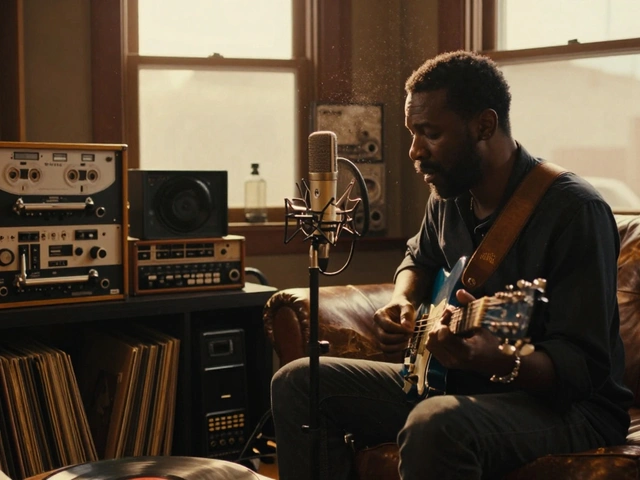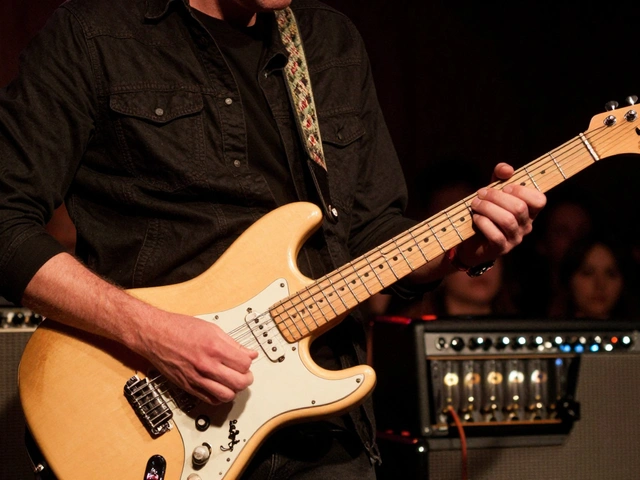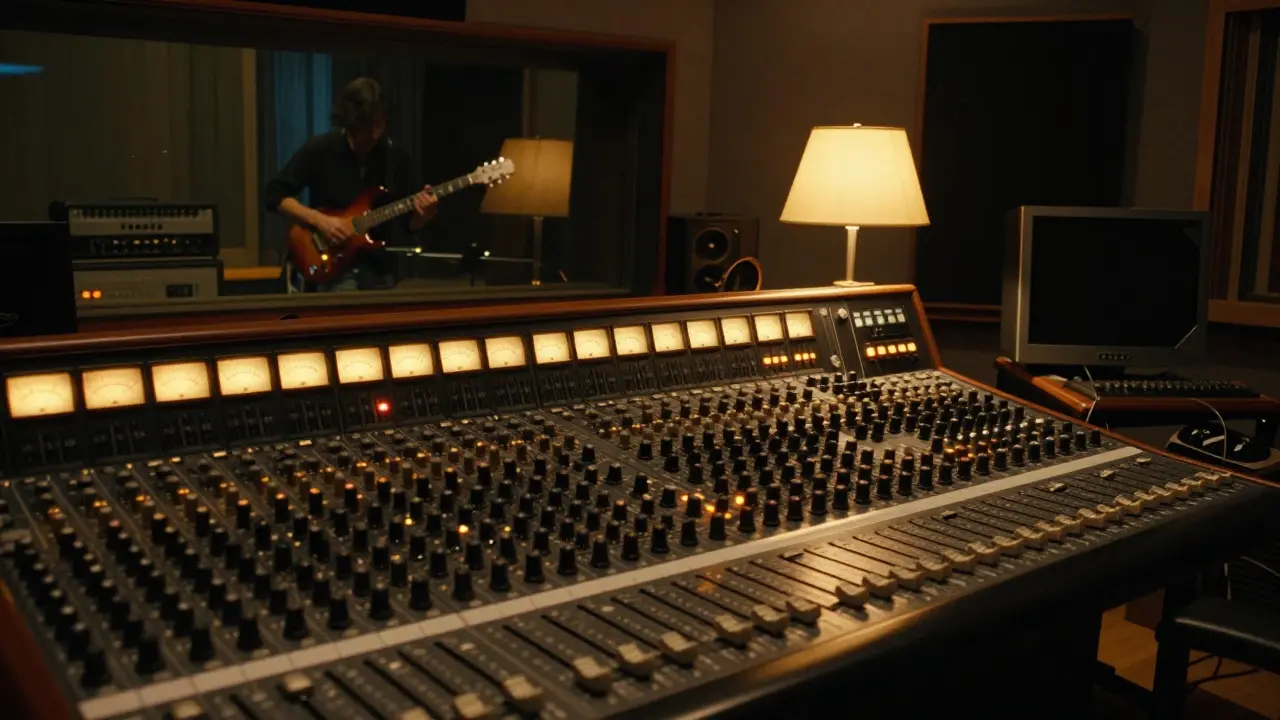
There is a specific tension that lives in the control room of every serious blues record. On one side, you have the ghosts of Chicago and Memphis demanding authenticity. On the other, you have a client or artist wanting their track to cut through the noise on Spotify playlists dominated by pop and hip-hop. The producer’s job isn’t just to capture a performance; it is to act as a translator between these two worlds. If you lean too hard into the vintage aesthetic, the record can feel like a museum piece-beautiful, but static. If you push too far into modern polish, you risk stripping away the grit that defines the genre. This article breaks down how professional producers navigate this balance, using specific technical choices and workflow strategies to keep the soul of the music intact while making it competitive in a digital landscape.
The Core Conflict: Authenticity vs. Accessibility
To understand the producer's role, you first need to define what "tradition" actually means in a studio context. It isn't just about using old gear. It is about preserving the imperfections that give blues its character. A slight vocal crack, the hum of a tube amplifier, or the room noise captured by a ribbon microphone are not mistakes; they are the texture of the genre. However, modern listeners have shorter attention spans and higher expectations for clarity. A muddy low end or a harsh mid-range frequency can cause a listener to skip a track before the chorus even hits. The producer must decide which imperfections serve the song and which ones hinder it. This requires a deep understanding of both musical history and current mixing standards.
Consider the difference between a raw live take and a quantized session. In traditional blues, timing is often slightly behind the beat, creating a laid-back feel known as "swing." Modern production tools make it easy to tighten up drums and bass to grid-perfect precision. While this makes the track sound clean, it can kill the groove. A skilled producer might leave the drum kit loose but use subtle editing techniques to remove only the most distracting errors, rather than replacing the entire performance. This approach preserves the human element while ensuring the track stays together.
Choosing the Right Tools for the Job
Equipment selection is where the battle between tradition and modernity is most visible. You don't need a $50,000 console to make a great blues record, but you do need to choose instruments that respond well to dynamic playing. For example, when recording electric guitars, many producers still reach for vintage-style amplifiers because of their natural compression and harmonic saturation. These amps handle overdrive better than modern solid-state models, giving the guitar a warm, singing quality that digital plugins struggle to replicate perfectly. That said, hybrid setups are becoming common. Producers might record a guitar through a classic tube amp but then layer it with a digital modeler to add extra thickness or reverb tails without cluttering the physical space.
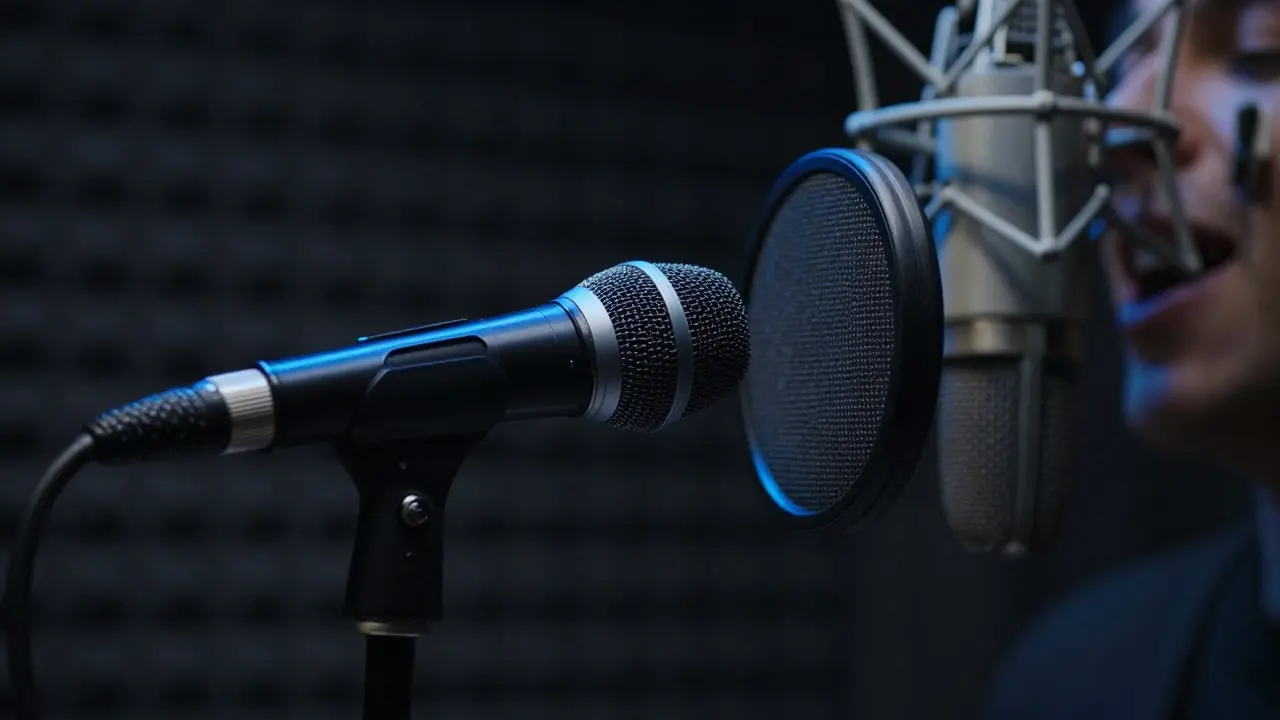
Vocals present another challenge. Traditional blues vocals were often recorded close-mic'd on dynamic microphones like the Shure SM7B or Electro-Voice RE20. These mics reject background noise and handle high sound pressure levels well, which is crucial if the singer is belting out a phrase. Modern production might suggest condenser microphones for their brighter top-end detail. The compromise? Many engineers use a dynamic mic for the main vocal track to keep it intimate and punchy, then add a quiet condenser spot mic off-axis to capture air and breath. This gives you the body of a traditional recording with the clarity expected in modern releases.
| Element | Traditional Approach | Modern Hybrid Approach |
|---|---|---|
| Guitar Amplification | Vintage tube amps, single microphone placement | Tube amp core + digital modeling for layers/effects |
| Vocal Capture | Dynamic mic (e.g., SM7B), minimal processing | Dynamic main + condenser spot, gentle de-essing |
| Drum Timing | Live room feel, loose swing | Subtle comping/editing, tight but human |
| Mixing Frequency | Warm, mid-focused, less low-end rumble | Controlled low end, clear highs for streaming |
Mixing for the Streaming Era
Once the tracks are recorded, the mixing stage is where the modern sound design truly takes over. The biggest hurdle is the low end. Traditional blues records from the 1950s and 60s often had limited low-frequency response due to vinyl limitations and older microphone technology. Today, songs are mastered for loudness normalization, meaning if your bass guitar and kick drum fight for space in the 60-100Hz range, the track will sound muddy on phone speakers. Producers now use precise EQ to carve out pockets for each instrument. You might boost the fundamental frequency of the bass guitar around 80Hz but cut any mud around 200Hz. Simultaneously, you ensure the kick drum has a distinct thump without overpowering the bass note. This creates a foundation that feels powerful on small devices while retaining the warmth of the original performance.
Another critical aspect is dynamics. Blues is an emotional genre that relies on dynamic shifts-a soft verse building to a screaming solo. Modern limiting chains can flatten these dynamics if applied too aggressively. Instead of pushing the overall volume to -6 LUFS (a common streaming target) from the start, experienced producers focus on internal balance. They ensure the quiet parts are audible and the loud parts aren't clipping, then apply gentle limiting at the very end. This preserves the ebb and flow of the song, keeping the listener engaged through the emotional arc rather than just the sheer volume.
Workflow Strategies for Producers
How do you actually execute this balance in a real-world session? It starts with communication. Before anyone plugs in a cable, the producer needs to establish the reference point. Is this record aiming for the vibe of a 1970s Stax session, or does it need to sit next to contemporary artists like Gary Clark Jr. or John Mayer? Listening to reference tracks together helps align expectations. If the client loves the crispness of a modern mix, show them examples of how that was achieved without losing the soul. This prevents costly revisions later.
During tracking, adopt a "less is more" philosophy. Resist the urge to overdub multiple guitar takes if one honest performance captures the emotion. Use headphones carefully; sometimes, letting the band hear each other through bleed (microphone leakage) creates a cohesive glue that separate isolation booths destroy. After tracking, spend time on pre-production cleanup. Remove obvious plosives, fix clicks, and align double-tracked vocals so they sit perfectly in phase. But stop there. Don't auto-tune a blues vocalist unless they specifically ask for it. The pitch imperfections are part of the story. Save your heavy processing for the final mix, where you can control exactly how much effect is applied.
Common Pitfalls to Avoid
Even experienced producers fall into traps when working on blues projects. One common mistake is over-compressing the master bus. Blues thrives on transients-the sharp attack of a snare hit or the pluck of a guitar string. Heavy compression smooths these out, making the track feel lifeless. Another pitfall is relying too heavily on reverb. While plate and hall reverbs can add space, too much washes out the intimacy of the performance. Use short decay times for vocals and guitars to keep them upfront. Finally, avoid ignoring the stereo image. Traditional blues was often mono or narrow stereo. Modern mixes benefit from width, but widening everything equally can create a hollow sound. Keep the lead vocal and rhythm guitar centered, and place supporting elements like tambourine or backing vocals wider to create a sense of space without losing focus.
Frequently Asked Questions
Do I need vintage equipment to produce authentic-sounding blues?
No, you do not. While vintage gear offers unique tonal characteristics, modern digital audio workstations and high-quality emulations can replicate much of that sound. The key is how you use the tools. Focus on capturing good performances and using appropriate gain staging. A modern interface with a decent microphone can produce results that rival vintage recordings if the playing is strong.
How much should I process vocals in a blues track?
Keep vocal processing minimal. Use gentle EQ to remove harsh frequencies, light compression to even out volume, and perhaps a touch of saturation for warmth. Avoid heavy reverb or delay unless it serves a specific creative purpose. The goal is to make the voice sound natural and present, not processed.
What is the ideal loudness level for blues music on streaming platforms?
Aim for approximately -14 LUFS integrated loudness for standard streaming platforms. However, prioritize dynamic range over absolute loudness. A quieter, more dynamic mix will often translate better across different playback systems than a loud, squashed one. Always check your final mix on phone speakers and car audio to ensure it translates well.
Should I record drums live or track them separately?
Recording drums live in a room with some natural bleed is generally preferred for blues to maintain groove and cohesion. However, if the drummer is inconsistent, tracking individually allows for tighter editing. A hybrid approach works well: record the kit live, but isolate the kick and snare if necessary for better control in the mix. Avoid overly sterile, dry drum sounds unless the song demands it.
How do I handle timing issues without killing the swing?
Use elastic audio editing sparingly. Instead of quantizing everything to a strict grid, adjust individual notes to align with the pocket of the groove. Listen to the relationship between the bass and drums. If the bassist plays behind the beat, let the drums follow suit. Only correct notes that are significantly off-time or clash with other instruments. Preserving the human feel is more important than perfect mechanical precision.