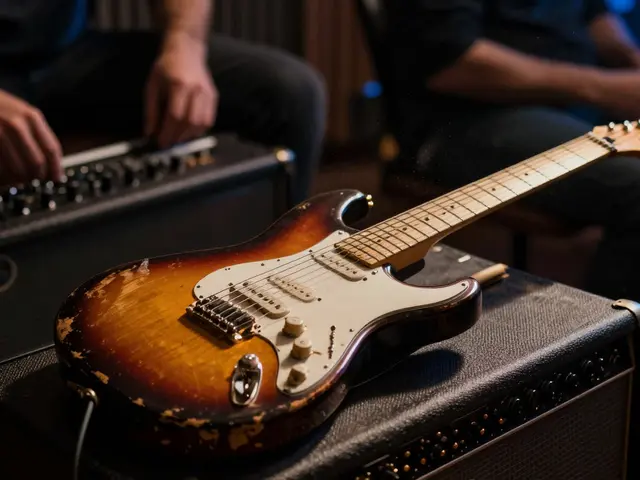
Most people think regional blues is just a style of guitar playing. It’s not. It’s a social ecosystem. If you walk into a basement venue in Memphis or a back room in Austin on a Tuesday night, you aren’t just listening to music; you’re watching a specific type of human connection happen in real time. The difference between a town where the blues thrives and one where it dies isn’t about talent levels. It’s about infrastructure. Specifically, it’s about the three pillars that hold up the scene: churches, informal jam sessions, and dedicated venues.
When these three elements align, something magical happens. The music stops being a product and starts being a utility. It becomes a way for neighbors to talk, for elders to teach, and for strangers to become friends. Let’s look at how this machinery actually works, because understanding it changes how you view your own local music scene.
The Church as the Original Soundproof Studio
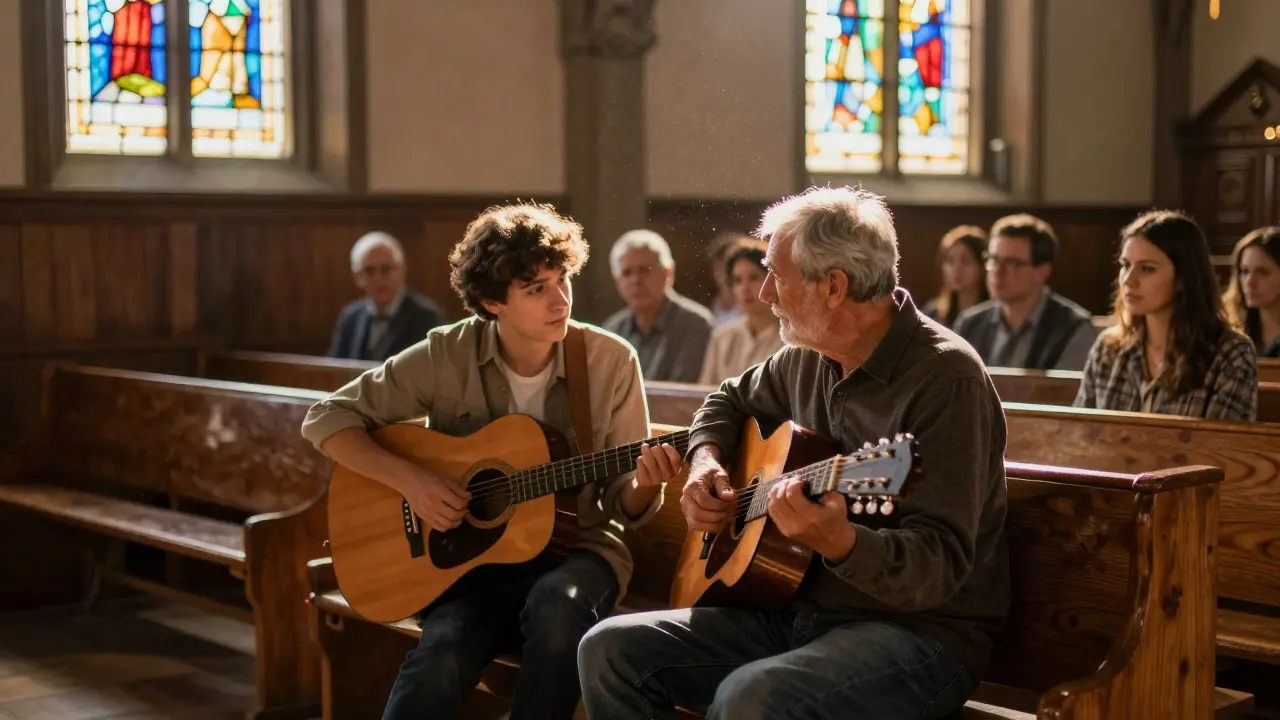
You can’t talk about the roots of the blues without talking about the church, but most people miss the acoustic reality of why it matters. A rural church in the 1930s was often the only building with enough square footage and natural reverb to make an amplified instrument sound full. But beyond the acoustics, the church provided the first platform for vocal improvisation. The call-and-response format wasn’t just a religious tool; it was a training ground for the emotional delivery that defines blues singing.
Today, the role has shifted, but the function remains. In many regional scenes, the Sunday morning service still acts as a networking hub. Musicians meet there not to play, but to trade stories. These conversations are where gigs get booked and bands get formed. For example, in parts of the Mississippi Delta, the local church choir director might be the first person to hear a new guitarist before they ever step foot in a bar. This creates a feedback loop: the church validates the artist socially, which allows them to perform publicly later.
- Acoustic Advantage: Wooden pews and high ceilings create natural amplification for voice and acoustic guitar.
- Social Validation: Playing in a church signals respectability and community trust, opening doors to secular venues.
- Intergenerational Transfer: Elders pass down specific licks and lyrical themes directly to younger members during rehearsals.
Jam Sessions: The Unwritten Rules of Participation
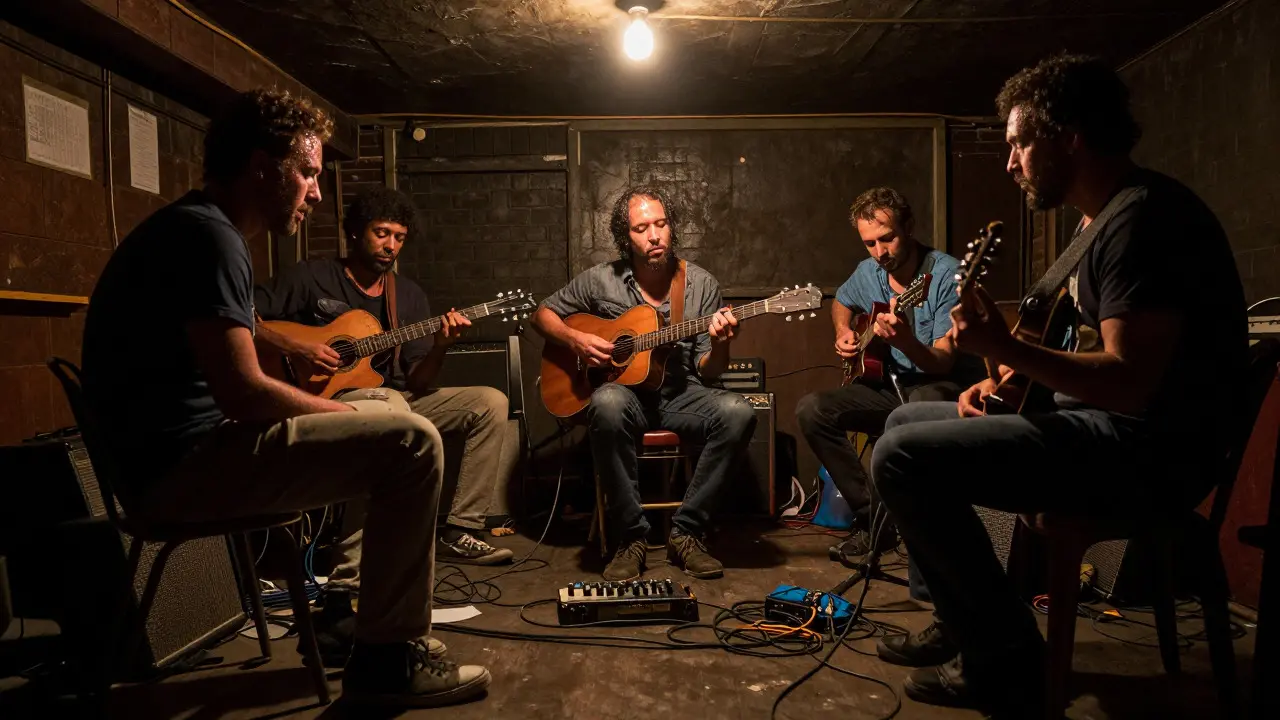
If the church is the classroom, the jam session is the laboratory. These informal gatherings, usually held in living rooms, basements, or the back of a restaurant, operate on a strict set of unwritten rules. The most important rule? You don’t show off. In a regional blues context, technical proficiency is less important than feel. If you play too clean, you’re seen as an outsider. If you play too loud, you’re seen as rude.
This environment forces musicians to listen more than they play. When you’re sitting in a circle with five other players, you have to watch their hands and eyes, not just hear their notes. This skill translates directly to professional settings. Bands that form out of regular jam circles tend to have tighter chemistry because they’ve already spent hundreds of hours reading each other’s non-verbal cues. It’s a low-cost, high-reward training method that keeps the music alive between paid shows.
| Hub Type | Primary Function | Key Metric | Barrier to Entry |
|---|---|---|---|
| Church | Social validation and acoustic testing | Community trust level | Low (Open invitation) |
| Jam Session | Technical collaboration and etiquette | Listening accuracy | Medium (Must know the songs) |
| Dedicated Venue | Economic sustainability and exposure | Ticket sales/Bar revenue | High (Requires booking) |
Venues: The Economic Engine of the Scene
Without a place to pay for the music, the scene eventually collapses. Dedicated blues venues serve as the economic anchor. They provide a consistent income stream for local artists, which allows them to practice more, buy better gear, and tour regionally. But a good venue does more than just sell tickets. It curates the sound. By booking specific types of acts, a venue defines what "local blues" means in that city. A venue in Chicago might prioritize electric, fast-paced blues, while a venue in New Orleans might lean toward slower, jazz-influenced styles.
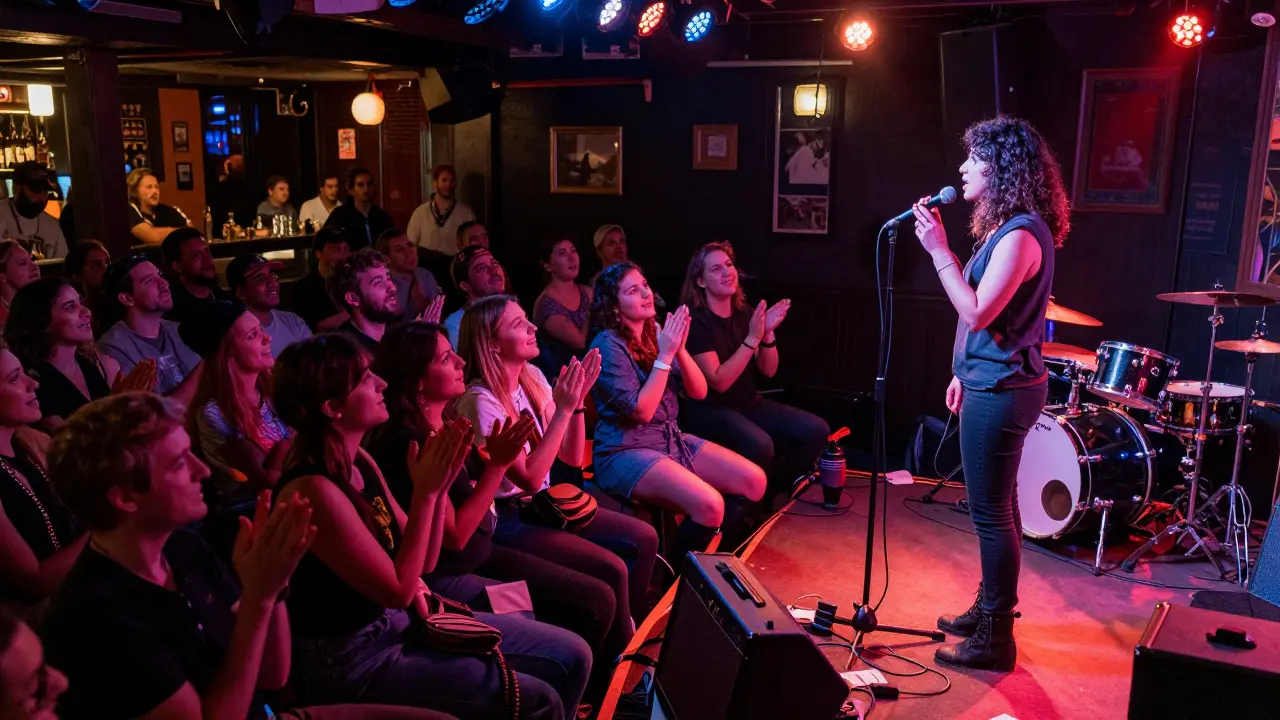
The physical space matters too. Small rooms force intimacy. When the audience is ten feet from the stage, the performer feels every reaction instantly. This proximity creates a higher energy level than large arenas can match. It also makes the experience memorable for the listener, encouraging word-of-mouth promotion, which is the lifeblood of any regional music scene.
Geography and Identity: Why Location Matters
Why do some regions produce distinct blues sounds? It’s not magic; it’s geography. The humidity in the South affects how instruments age and how strings wear. The isolation of certain towns meant musicians had to rely on local resources, leading to unique stylistic developments. For instance, the dry air of the American Southwest produces a different tone from an acoustic guitar than the humid air of the Gulf Coast. Over decades, these environmental factors, combined with local cultural influences, solidify into a recognizable regional identity.
This identity becomes a brand. Tourists don’t just visit Memphis to hear blues; they go to hear Memphis blues. This distinction drives tourism and local pride. It turns the music into a point of civic identity, much like a sports team or a culinary tradition. When the community embraces the sound as its own, the support system becomes self-sustaining.
Building Your Own Local Ecosystem
So, how do you replicate this success in your own area? You don’t need a million-dollar budget. You need consistency. Start by identifying the existing hubs. Is there a church that hosts open mics? Is there a bar that tolerates live music on slow nights? Connect these dots. Encourage musicians to move from the church to the jam, and then to the venue. Create a pipeline.
Support the venues financially. Buy the t-shirts. Tip well. The goal is to make the economics work so that the art can continue. Without financial viability, the best musicians will leave for bigger cities, taking the knowledge and the soul of the scene with them. Keep the circle small, keep the standards high, and keep the doors open.
Frequently Asked Questions
What is the primary role of a church in a regional blues scene?
The church serves as a social validation hub and an early performance platform. It provides acoustic space for testing vocals and guitars, and it builds the community trust necessary for musicians to succeed in secular venues later.
How do jam sessions differ from professional rehearsals?
Jam sessions focus on collaborative listening and improvisation within a group of peers, whereas rehearsals focus on perfecting specific arrangements for a band. Jams teach musicians how to read non-verbal cues and adapt in real-time, which is crucial for live performance dynamics.
Why are small venues better for developing regional blues identity?
Small venues create intimacy and immediate feedback loops between performers and audiences. This proximity fosters a stronger sense of community and allows the local sound to be curated and refined through direct interaction, unlike large arenas which dilute personal connection.
Can a city without a historic blues heritage build a successful scene?
Yes, but it requires intentional infrastructure. The city must establish consistent venues, encourage informal jam culture, and foster community engagement through local institutions. The lack of history can be offset by strong modern curation and active fan support.
What is the biggest threat to regional blues communities today?
Economic displacement is the primary threat. Rising rent and commercial development often close small venues, breaking the chain between learning (churches/jams) and earning (venues). Without affordable spaces for both practice and performance, the ecosystem fragments.