Releasing a blues album is a significant milestone, but the real challenge begins when you try to get people to actually listen. Many artists assume that putting the record out on streaming platforms is enough, but in the saturated world of modern music, silence is the default state. To break through, you need to create a narrative that journalists, radio hosts, and fans care about. This guide walks you through a practical, week-by-week strategy to generate genuine press momentum specifically tailored for a blues album release.
Why Blues Requires a Different Media Approach
Blues is often categorized as a niche genre, which can make it harder to pitch to mainstream pop or rock outlets. However, this also means that the audience is highly dedicated and the critical landscape is more focused. When pitching a blues record, you aren't just selling a song; you are selling a lineage. Journalists covering blues are looking for authenticity, technical proficiency, and a connection to the history of the genre. Your press materials should reflect this depth rather than generic hype. If your album features traditional twelve-bar structures, highlight the specific influences. If it blends electric guitar with acoustic storytelling, explain how that fusion honors the past while moving forward. The key is to provide context that makes the story easy for a reporter to write about without doing too much research themselves.
Pre-Release: Building the Foundation (Weeks 1-4 Before Launch)
Momentum doesn't start on release day; it starts weeks before. During this phase, your goal is to prepare assets that make it effortless for media professionals to cover your work.
- Create a targeted media list: Don't just email every magazine in existence. Focus on publications that have covered similar artists in the last six months. Look for regional papers if your sound has local roots, as they are often more responsive than national outlets.
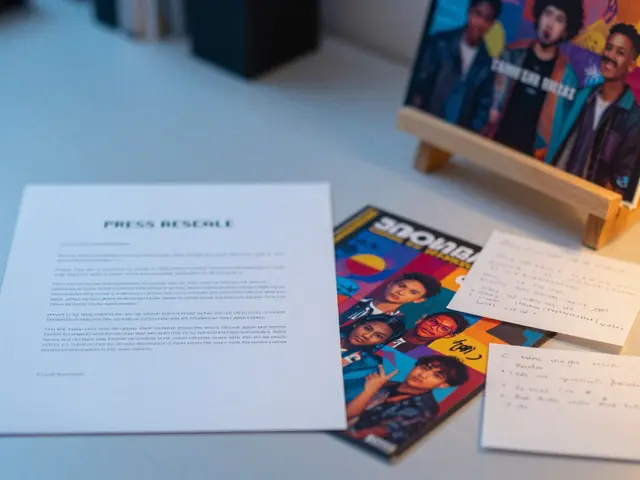
- Craft a compelling one-sheet: This document should include high-resolution photos, a concise bio, links to previous work, and a clear statement of what makes this album unique. Keep it to one page.
- Secure exclusive content: Offer something only available to specific outlets. This could be an early stream of a single, a behind-the-scenes video from the recording session, or an interview with a guest musician featured on the tracklist.
- Book local radio: Public radio stations and college radio programs are crucial for blues. These hosts often look for new talent that fits their programming style. Call them directly; emails often get buried.
The Pre-Save Strategy and Audience Engagement
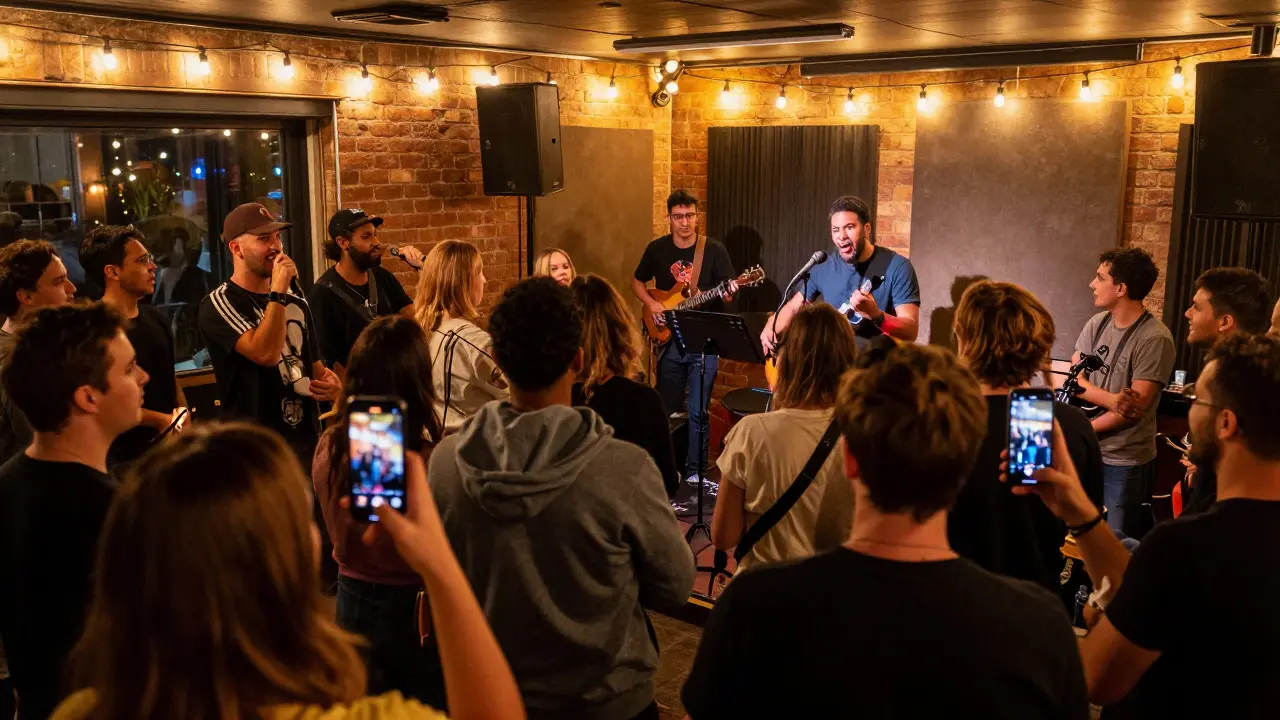
Before you send out any press releases, you need to prove there is interest. Media outlets pay attention to metrics. If you have zero pre-saves, your pitch looks risky. Use social media to build anticipation by sharing snippets of the production process. Show the studio setup, discuss the inspiration behind specific lyrics, or share stories about the musicians involved. Encourage your existing fanbase to pre-save the album on Spotify and Apple Music. A strong pre-save count signals to algorithms and journalists alike that there is a built-in audience ready to support the release. Additionally, consider hosting a small listening party or virtual Q&A session where fans can ask questions about the creative process. This generates user-generated content that you can then share with media contacts as proof of engagement.
Release Week: Executing the Pitch
When release week arrives, timing is everything. Here is a realistic schedule for maximizing impact:
- Tuesday Morning: Send the main press release to your top-tier targets (national magazines, major blogs). Include the full album link, high-res images, and a personalized note explaining why this album fits their editorial calendar.
- Wednesday: Follow up with secondary targets (local newspapers, niche music blogs, community radio). Personalize these emails even more. Mention a specific article they wrote recently that resonated with your work.
- Thursday: Push the lead single hard on social media. Post short video clips of the live performance or studio session. Tag the featured musicians and venues to expand reach.
- Friday: This is release day. Share the full album across all platforms. Send a brief "out now" update to anyone who responded positively to previous pitches. Ask them if they need additional assets like audio files for podcasts or interviews.
- Saturday: Host a live event or livestream. Invite local press to attend. Live events provide fresh angles for coverage, such as crowd reactions or artist commentary.
Leveraging Local and Niche Channels
National coverage is great, but local momentum sustains a career. For a blues album, local relevance is often stronger than global virality. Partner with local venues to feature the album on their playlists. Reach out to local business owners who appreciate authentic music to play the tracks in their spaces. Contact local TV news segments that cover community arts; they are always looking for human-interest stories about musicians from their area. Furthermore, engage with blues-specific communities online. Join forums or groups dedicated to the genre and share your story naturally, without being overly promotional. Authenticity wins in these circles. If you collaborate with a well-known blues veteran, leverage their network. They may be willing to mention your album on their social channels or recommend it to their own fanbase, which carries significant weight in the genre.
Measuring Success and Maintaining Momentum
Don't just hope for the best; track your results. Monitor how many times your album was added to radio playlists, how many articles were published, and which social posts generated the most shares. Use these insights to refine your approach for future releases. After the initial wave of coverage, don't stop communicating. Thank every journalist who covered you, regardless of the size of the outlet. This builds relationships for next time. Continue to share content from the album over the following month, focusing on different tracks or aspects of the story each week. Consistency keeps the album in the public eye long after the initial release buzz fades.
| Channel Type | Best For | Key Action | Expected Impact |
|---|---|---|---|
| National Music Blogs | Credibility and wider reach | Pitch with strong narrative angle | High visibility, lower conversion rate |
| Local Radio/TV | Community engagement and sales | Direct phone calls and personal visits | High trust, direct local sales boost |
| Social Media | Fan interaction and pre-save numbers | Share behind-the-scenes content | Algorithmic boost and fan loyalty |
| Live Events | Press quotes and visual content | Invite press to intimate shows | Authentic reviews and photo opportunities |
Common Pitfalls to Avoid
One of the biggest mistakes artists make is sending mass-blasted emails with no personalization. Editors can spot a copy-paste pitch instantly, and it rarely gets read. Another common error is neglecting the visuals. In the age of social media, a great album with poor photography will struggle to gain traction. Invest in professional photos that capture the mood of the music. Finally, don't ignore the follow-up. If you don't hear back within three days, send a polite reminder. Persistence, done respectfully, often makes the difference between being ignored and being featured.
How far in advance should I contact the press?
Ideally, start contacting key targets four to six weeks before the release date. This gives editors enough time to plan their editorial calendars and ensures you are considered alongside other major releases. For local outlets, two to three weeks prior is usually sufficient.
What should be included in a blues album press kit?
A complete press kit should include a high-resolution biography, professional photos, a one-page summary of the album's themes and influences, links to the streaming platforms, and contact information for booking and management. If possible, include a short video clip of the artist performing the lead single.
Is it worth paying for paid advertising during release week?
Paid advertising can amplify organic efforts, especially on social media platforms like Instagram and Facebook. Targeting users who follow similar blues artists can yield good results. However, ensure your organic foundation is solid first, as ads perform better when there is already some level of interest and engagement from your core fanbase.
How do I handle rejection from media outlets?
Rejection is normal in the music industry. Keep a spreadsheet of who you contacted and their responses. If they say no, thank them for their time and ask if you can check back in for future projects. Relationships built over multiple interactions often lead to coverage later, even if the first pitch didn't land.
Can I use user-generated content for press purposes?
Yes, absolutely. User-generated content, such as fan videos, reviews, or social media posts, adds authenticity to your press pitch. It shows that the music is resonating with real people. Always get permission from the creator before using their content in official press materials.