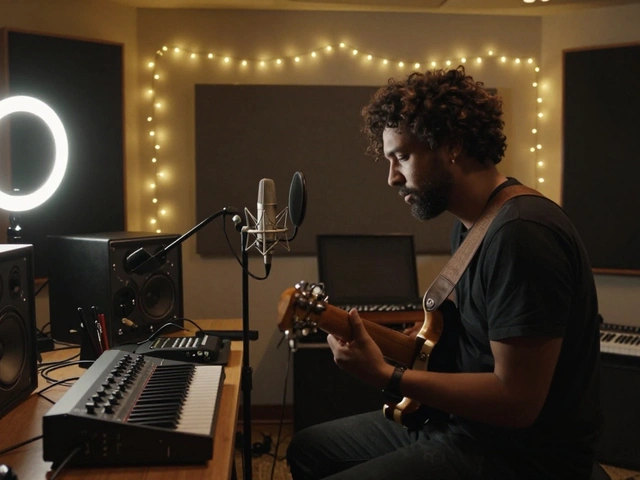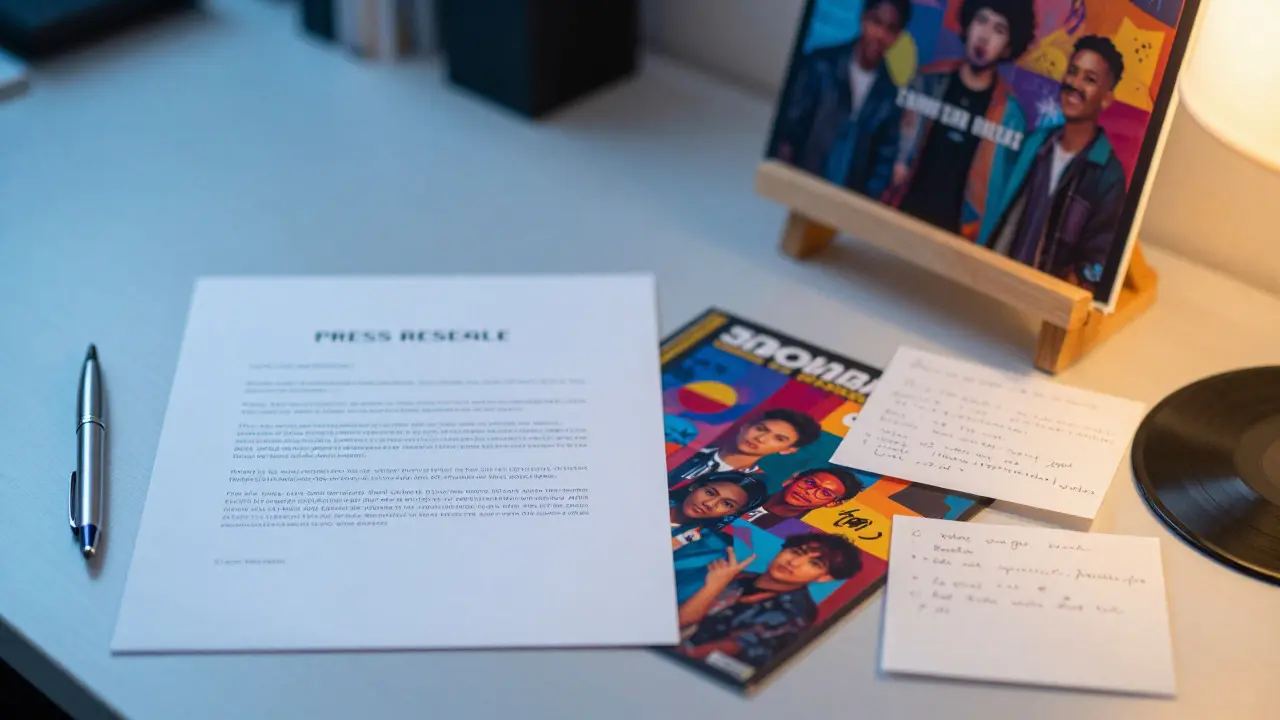
Imagine you just finished recording your debut LP. The tracks are mixed, the cover art is locked in, and the release date is set for next month. Now comes the tricky part: telling the world about it. Do you send out a formal press release is a structured document sent to journalists and media outlets to announce newsworthy events? Or do you post an album announcement is a direct-to-audience communication that shares specific details like tracklists and pre-save links on social media? Confusing these two tools can waste your budget and miss critical coverage opportunities. They serve different masters, reach different people, and require completely different tones.
Many independent artists treat them as interchangeable. You write one text, blast it everywhere, and hope for the best. But if you want to maximize your launch, you need to understand that a press release is a business tool, while an album announcement is a fan engagement tool. Getting this distinction right is the difference between being ignored by the blogosphere and having your record featured in niche zines or local radio shows.
The Core Purpose of Each Tool
A press release is designed to earn media attention. It targets third-party voices: journalists, bloggers, playlist curators, and podcast hosts. These people are busy. They receive hundreds of pitches daily. Your goal with a press release isn't to sell tickets directly; it's to get them to write about you. When a journalist writes a blurb about your new album, their audience trusts that endorsement more than they trust your own Instagram caption. This is called earned media, and it carries significant weight in the music industry.
An album announcement, on the other hand, targets your existing fans and potential listeners directly. It’s a conversion tool. Its job is to turn interest into action: pre-saves, streams, merch sales, or ticket purchases. There is no middleman here. You are speaking directly to the person who might actually buy your vinyl. The tone is personal, urgent, and celebratory. You’re not asking for permission to be covered; you’re inviting people to join a moment.
| Feature | Press Release | Album Announcement |
|---|---|---|
| Primary Audience | Journalists, Bloggers, Curators | Fans, Followers, Potential Listeners |
| Main Goal | Earned Media Coverage | Direct Sales & Engagement |
| Tone | Objective, Professional, Concise | Personal, Excited, Conversational |
| Length | 300-500 words max | Varies (Short for Social, Long for Email) |
| Call to Action | "Read more at..." / "Contact us for interviews" | "Pre-save now" / "Buy tickets" |
| Best Channel | Email Pitch, PR Platforms | Social Media, Email Newsletter, Website |
Structure and Content Requirements
Writing a press release follows strict conventions because journalists rely on structure to quickly assess newsworthiness. If you bury the lead, you lose them. A standard music press release starts with a headline that includes the band name, album title, and release date. The first paragraph must answer the five Ws: Who, What, When, Where, and Why. For example: "Indie rock band The Static Hearts will release their second studio album, Neon Dreams, on October 15 via Subterranean Records."
After the lead, you provide context. Mention any notable collaborators, previous achievements, or unique aspects of the production process. Keep it factual. Avoid superlatives like "the best" or "groundbreaking" unless you have proof. Journalists hate fluff. End with boilerplate information about the band and contact details for the publicist or manager. Attach high-resolution images of the album artwork and band photos, but ensure they are properly credited and in high resolution (at least 300 DPI).
Album announcements are much more flexible. On social media, a short video or carousel post works well. You can share the creative story behind the songs. Maybe you recorded the drums in a barn, or the synth was sampled from a vintage toy. These human elements resonate with fans. In email newsletters, you can go deeper, sharing lyrics snippets or exclusive behind-the-scenes photos. The key is to make the fan feel included in the journey.
Distribution Channels and Timing
Timing is everything in music marketing. A press release should be sent out 4 to 6 weeks before the release date. Why? Because journalists need time to plan their editorial calendars. If you send it two days before the drop, you’re competing with last-minute news and likely to be ignored. Some larger publications book features months in advance. Even for smaller blogs, giving them a week or two allows them to schedule the post around other content.
Use dedicated PR platforms or direct email outreach for press releases. Tools like Prowly or Muck Rack help track who opens your emails and which outlets are most relevant to your genre. Personalize each pitch. Don’t send a mass blast. Mention why your album fits their specific readership. For instance, if pitching to a blog focused on lo-fi aesthetics, highlight the analog tape saturation used in your mix.
Album announcements should start earlier and build momentum. Begin teasing single tracks 8 to 12 weeks out. Share snippets of the writing process. Then, when the official announcement drops, include all the essential links: Spotify pre-save, Apple Music pre-order, and a link to your website for merch. Use consistent branding across all channels. If your visual identity is dark and moody, don’t suddenly use bright, colorful graphics in the announcement without explaining the shift.
Common Mistakes to Avoid
One of the biggest errors artists make is sending a press release to their own fan list. Fans don’t care about "for immediate release" headers. They want to know when they can listen. Sending a dry, corporate-looking PDF to your email subscribers will lower your open rates. Save the press release for the media; give your fans the good stuff.
Another mistake is over-promising in the press release. If you say the album is "destined to change the industry," a skeptical journalist will roll their eyes. Stick to facts. Let the music speak for itself. Provide a clear listening link (like a private SoundCloud or Spotify link) so they can hear the sound immediately. Most pitches fail because the journalist has to hunt for the audio. Make it easy for them.
For album announcements, avoid cluttering the message. Too many buttons, too many links, and too much text confuse the reader. Pick one primary call to action. If the main goal is pre-saves, make that button big and obvious. Secondary actions, like following on Instagram, can be mentioned in the footer or caption, but don’t compete with the main goal.
Measuring Success
How do you know if your strategy worked? For press releases, track media pickups. Did any blogs, magazines, or podcasts mention your album? Use a simple spreadsheet to log every mention, the outlet size, and the URL. Even small mentions count. They build credibility and improve your search engine visibility. If you had zero coverage after six weeks, review your pitch list. Were you targeting the wrong outlets? Was your subject line weak?
For album announcements, look at conversion metrics. How many pre-saves did you get? What was the click-through rate on your email newsletter? Did social media engagement spike? Compare these numbers to your previous releases or singles. If pre-saves are low, maybe the announcement wasn’t exciting enough, or the release date is too far away. Adjust your messaging for the final push in the last two weeks before the drop.
Frequently Asked Questions
Do I need a professional PR agent to send a press release?
Not necessarily. While agents have established relationships with editors, many independent artists successfully pitch directly. However, an agent can save you time and increase your chances of landing major features. If you have a limited budget, start with DIY pitching to niche blogs and local media, then consider hiring an agent for national coverage.
What is the ideal length for a music press release?
Keep it under 500 words. Journalists skim quickly. The first paragraph should contain all the critical facts. If you need more space, attach a separate fact sheet or biography, but keep the main release concise and scannable.
Should I include quotes in my press release?
Yes, but sparingly. Include one quote from the lead singer or producer that adds emotional context or explains the album's theme. Avoid generic quotes like "We worked hard on this." Instead, try something specific: "This album explores the feeling of being lost in a city you once knew by heart," says frontperson Alex Doe.
How often should I post album announcements on social media?
Don’t spam your followers. Post the initial announcement once, then follow up with related content like lyric videos, behind-the-scenes clips, or live performances. Vary the format to keep engagement high. Consistency matters more than frequency during the final weeks.
Can I use the same text for both the press release and album announcement?
No. The tone and purpose are too different. A press release needs to be objective and informative for journalists. An album announcement needs to be engaging and persuasive for fans. Reusing the same text signals laziness to editors and feels impersonal to fans. Tailor each message to its specific audience.