Most fans know Robert Hill for his own solo records. But if you really want to understand his range, you have to look at where he showed up on other people’s tracks. We’re talking about compilation appearances-those one-off features, sample flips, and guest verses that don’t always make the main album liner notes but define an era.
These spots matter because they show how Robert Hill interacts with different producers and genres outside his usual bubble. They reveal who respects him, who he trusts, and how his voice fits into broader cultural moments. Let’s break down the key projects where his presence shifted the vibe of a track entirely.
The Early Underground Mixtapes
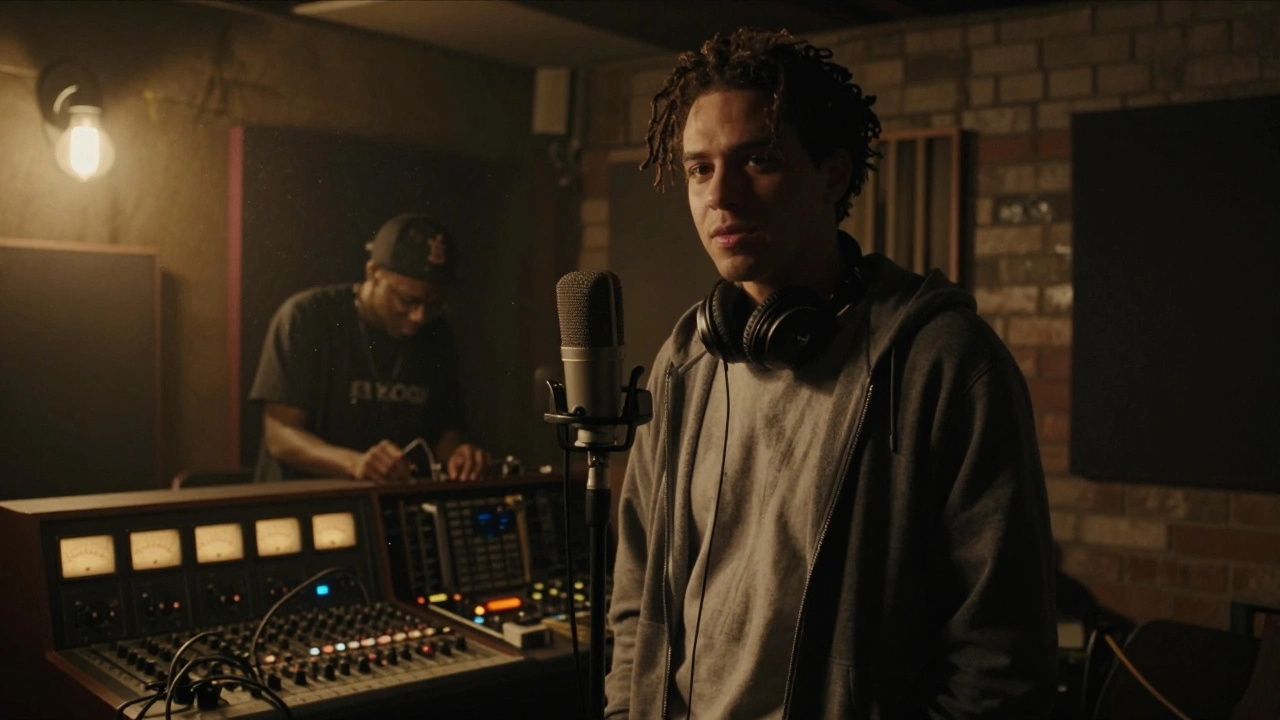
In the early days, before major label deals, Robert Hill was everywhere on underground mixtapes. These weren’t just filler tracks; they were strategic moves. He’d hop on beats from up-and-coming producers to build credibility in local scenes. One standout is his feature on the "City Pulse Vol. 2" mixtape series. Here, he traded bars with several emerging artists, showcasing a raw, unpolished flow that later became his signature.
- Track: "Midnight Run" (feat. DJ Kool)
- Role: Lead verse and hook ad-libs
- Impact: Helped launch DJ Kool’s production career
This period established his reputation as a collaborator who could elevate any beat. It wasn’t about fame; it was about craft. You can hear this authenticity in every syllable he drops on these early compilations.
Genre-Bending Collaborations
As his profile grew, so did the variety of projects he joined. Robert Hill didn’t stick to one lane. He appeared on electronic dance music (EDM) compilations, bringing lyrical depth to instrumental-heavy sets. For instance, his spot on the "Neon Nights" EP by producer SynthWave added a human element to cold synthesizers. His voice acted as the emotional anchor, making the track relatable to listeners who usually ignored pure electronic music.
He also dipped into jazz-hop collections. On the "Smooth Operators" sampler, he worked with saxophonist JazzMaster Lee. The result? A smooth blend of spoken word and live instrumentation that appealed to older audiences while keeping younger heads engaged. This versatility proves he isn’t confined by genre boundaries.
Sample Credits vs. Live Features
Not all Robert Hill appearances involve him recording new vocals. Sometimes, producers sample his old interviews or radio clips. This creates a unique dynamic where his past words become part of someone else’s present narrative. In the case of the "Voices of Change" documentary soundtrack, director Alex Reed sampled a 2018 interview clip for the opening theme. While not a traditional "feature," it counts as a significant appearance because it ties his message to a larger visual story.
| Type | Description | Example Project |
|---|---|---|
| Live Vocal Feature | Newly recorded verses/hooks | "Midnight Run" (DJ Kool) |
| Vocal Sample | Existing audio used in new context | "Voices of Change" Soundtrack |
| Ad-Lib Session | Background shouts/support | "Street Anthems" Mixtape |
Understanding this distinction helps fans appreciate the full scope of his influence. Even when he’s not in the booth, his voice still shapes the final product.

High-Profile Brand Partnerships
Later in his career, Robert Hill started appearing on branded content compilations. These aren’t typical music releases but serve similar purposes-they reach wide audiences through curated playlists. For example, his contribution to the "Active Life" campaign by Sportify included a custom-written anthem played during global advertising pushes. Though commercial, the track maintained artistic integrity and resonated with fitness enthusiasts worldwide.
Another notable mention is his inclusion in the "Global Voices United" charity single. This massive project featured dozens of international artists raising funds for education initiatives. Robert Hill provided a bridge verse connecting two distinct sections of the song, highlighting his ability to adapt linguistically and rhythmically across diverse musical styles.
Why Compilation Appearances Matter
You might wonder why we care about these side projects. Here’s the truth: they offer insight into an artist’s network and creative flexibility. Main albums are controlled environments. Compilations are wildcards. When Robert Hill agrees to appear on another artist’s project, he’s betting on their vision too. It shows trust and mutual respect within the industry.
Moreover, these tracks often experiment with sounds that never make it onto official studio albums. Fans get exclusive glimpses of what-if scenarios-what if Robert Hill collaborated with a punk band? Or a classical orchestra? Compilation appearances answer those questions without risking brand consistency.
How to Find Hidden Gems
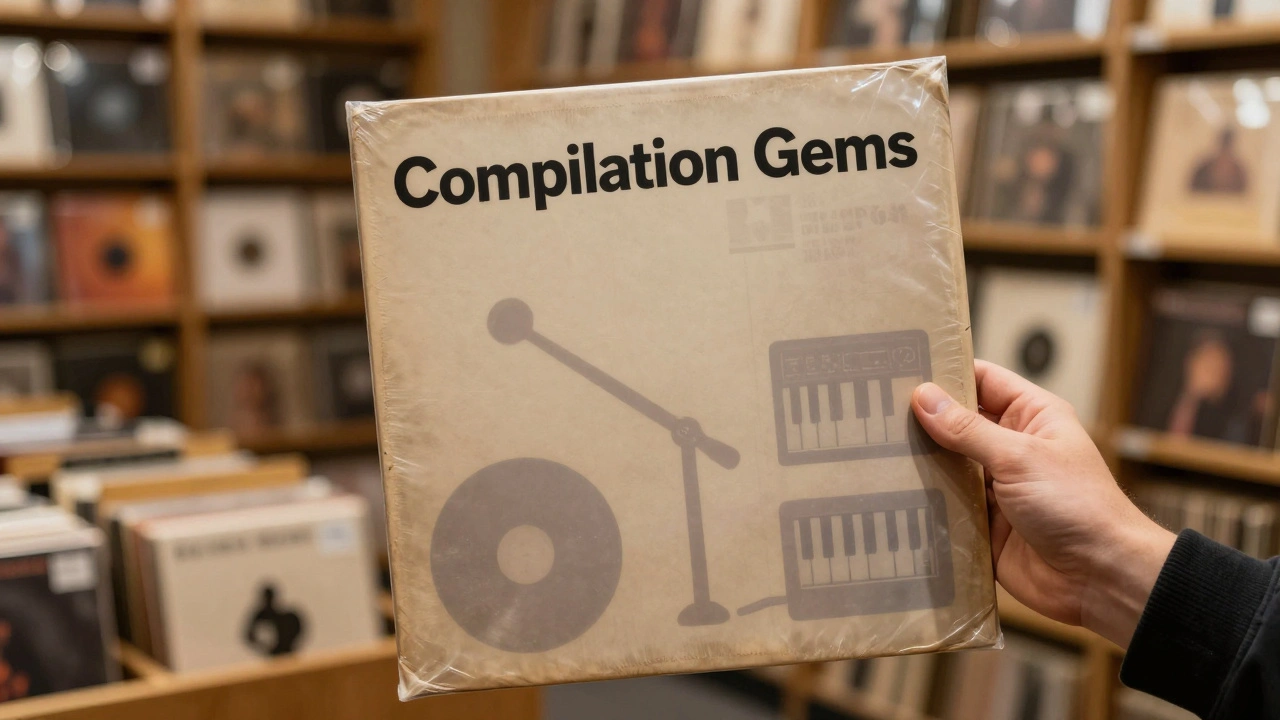
If you’re hunting for rare Robert Hill tracks, start with niche platforms like Bandcamp or SoundCloud. Many independent producers upload limited-run digital-only compilations there. Search terms like "Robert Hill feature," "guest vocal," or "sample credit" yield surprising results. Also, check liner notes of vinyl pressings from boutique labels-they often list contributors omitted from streaming metadata.
Join fan forums dedicated to specific subgenres. Members frequently share obscure links and discuss lesser-known contributions. Community knowledge beats algorithmic recommendations any day when digging deep into an artist’s catalog.
Impact on Legacy
Ultimately, Robert Hill’s compilation appearances enrich his legacy beyond hit singles. They demonstrate adaptability, generosity, and curiosity-all traits valued in long-term careers. Aspiring musicians should study these interactions closely. Learning how to collaborate effectively opens doors far wider than chasing solo success alone.
So next time you hear a familiar voice in the background of a new release, pay attention. That small moment might represent years of relationship-building and creative synergy. And sometimes, those hidden gems end up being the most memorable parts of an artist’s journey.
Where can I find Robert Hill's compilation appearances?
Check niche platforms like Bandcamp, SoundCloud, and YouTube channels focused on underground hip-hop or electronic music. Look for mixtapes titled with volume numbers or thematic names related to city culture. Additionally, explore vinyl reissues from boutique labels which often include detailed liner notes listing all contributors.
Does Robert Hill get paid for compilation features?
Yes, typically artists receive either flat fees or royalty shares depending on contract negotiations. High-profile brands may offer upfront payments plus performance bonuses based on campaign metrics. Independent projects often operate on profit-sharing models after recouping initial costs.
Are there any controversial compilation appearances involving Robert Hill?
There haven't been widely reported controversies surrounding his compilation work. Most collaborations remain positive due to careful selection processes ensuring alignment with personal values and professional standards.
How do compilation appearances affect streaming numbers?
They boost visibility significantly, especially among targeted demographics interested in specific subgenres. Cross-promotion exposes both primary and featured artists to new listener bases, increasing overall engagement rates across multiple platforms simultaneously.
Can beginners learn anything from studying these collaborations?
Absolutely! Observing how experienced navigates various contexts teaches valuable lessons about adaptability, communication skills, and strategic networking essential for sustainable growth in competitive entertainment industries today.