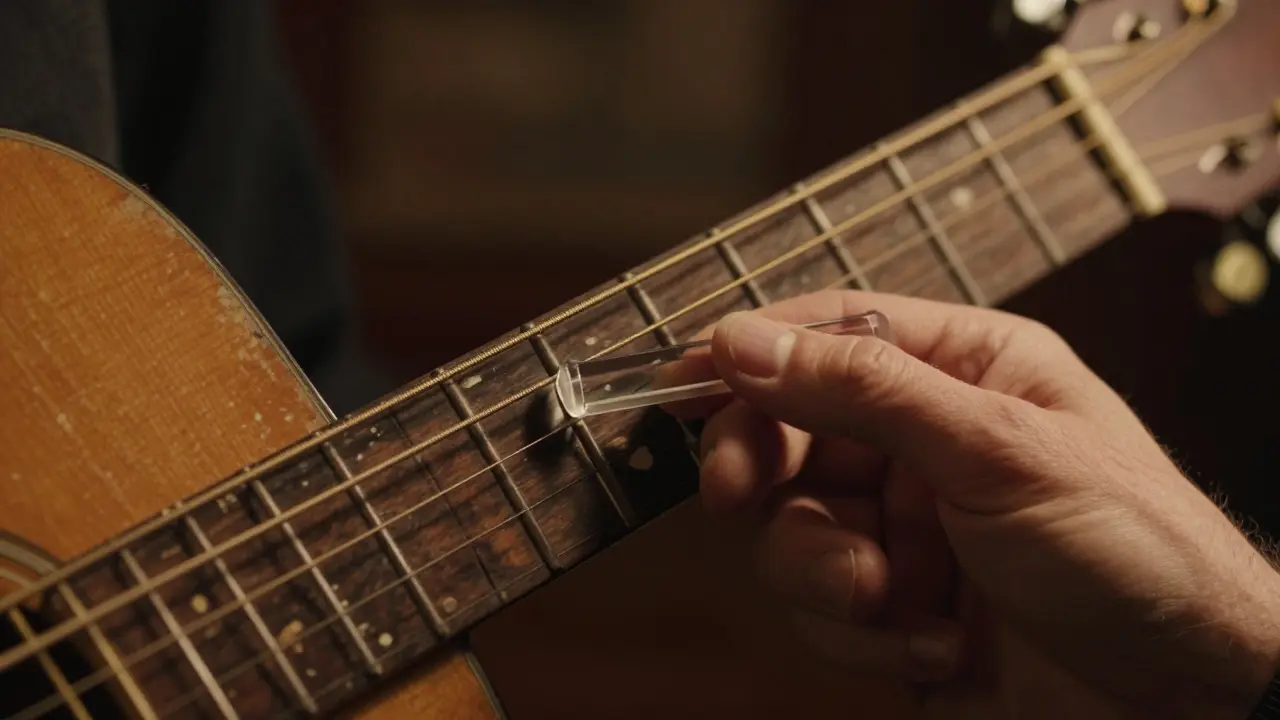
There is a specific sound that defines the raw power of Delta Blues and a musical genre characterized by its use of acoustic guitars, harmonicas, and storytelling rooted in the American South. It is gritty, urgent, and deeply human. For decades, listeners have tried to replicate the tone of Robert "Lightnin'" Lee Hill, one of the most iconic figures in this tradition. But what makes his playing so distinct? It isn't just about the instrument; it is about a specific, repeatable technique that transforms a simple guitar into a voice capable of screaming, weeping, and laughing.
If you have ever struggled with sliding between notes or managing the tension of your strings, you are not alone. Most players focus on speed or complex chords, but Hill’s approach is fundamentally different. He prioritizes feel over precision. By understanding the mechanics behind his signature style, you can unlock a new dimension of expression in your own playing. This guide breaks down the physical movements, the gear choices, and the mental mindset required to emulate that legendary sound.
The Foundation: Open Tunings and String Selection
You cannot play like Robert Hill without first setting up your guitar correctly. The standard E-A-D-G-B-E tuning works for rock and pop, but it fights against the slide technique. Hill primarily used Open G Tuning and a guitar tuning where all strings form a major chord when strummed open (G-C-D-G-B-D). Why does this matter? Because when you place a metal bar across all six strings in Open G, you instantly have a full, resonant chord. You don’t need to press down multiple fingers to create harmony. The slide itself becomes the fretboard.
However, the tuning is only half the battle. The other half is the gauge of your strings. Many beginners start with light strings (.009-.042), which are easy to bend but too floppy for slide. When you press a light string against the neck with a heavy bar, it goes out of tune easily and produces a weak, thin tone. Hill favored heavier gauges, typically in the range of .013 to .017 for the high E and low E strings. These thicker strings provide enough tension to stay in tune under pressure while still allowing for expressive bends. If your strings buzz against the frets when you slide, your action might be too low. Raising the bridge slightly gives the bar room to move without muddying the note.
The Physical Mechanics: Hand Position and Pressure
Now that the guitar is set up, let’s look at your hands. This is where most students fail. They try to hold the slide like a pick, pinching it tightly between their thumb and index finger. This creates tension in the wrist and limits your mobility. Instead, think of the slide as an extension of your pinky finger. Rest the glass or steel tube gently on the pad of your little finger, letting it hang loosely. Your hand should remain relaxed, almost limp, until the moment of contact.
Pressure control is the secret sauce here. Too much pressure kills the sustain; the string stops vibrating cleanly and sounds dull. Too little pressure causes buzzing and intonation issues. The sweet spot is minimal contact-just enough to stop the string from rattling against the frets. Practice this by placing the slide on the string and slowly increasing pressure until the buzz disappears. Hold that exact amount of force. Notice how light it feels. This counter-intuitive lightness allows for smooth glides between notes without dragging the pitch.

Signature Moves: Bends, Vibrato, and Ghost Notes
Once you can slide cleanly, you need to add soul. Hill’s playing was famous for its vocal quality. He didn't just play notes; he played phrases. Three specific techniques stand out in his repertoire:
- String Bending: With a slide, you aren't limited to fret positions. You can push the string upward toward the ceiling of the guitar body to raise the pitch. Start small. Bend a note a quarter-tone, then a half-tone. Use this to mimic the inflection of a human voice crying out. Combine this with a slight downward pull on the adjacent string for a rich, harmonic texture.
- Wide Vibrato: After landing on a target note, apply a rapid, wide wobble to the slide. Unlike fingerstyle vibrato, which is subtle, slide vibrato should be exaggerated. Move the bar back and forth along the string length, creating a shimmering effect. This keeps the note alive and prevents it from sounding static.
- Ghost Notes: These are notes played with very little volume, often used as rhythmic accents. Lightly tap the string with your picking hand while keeping the slide in position. It creates a percussive "thud" that drives the rhythm forward without adding melodic clutter. This technique adds groove and urgency, essential for the driving beat of Delta Blues.
Gear Choices: Bars, Picks, and Amplification
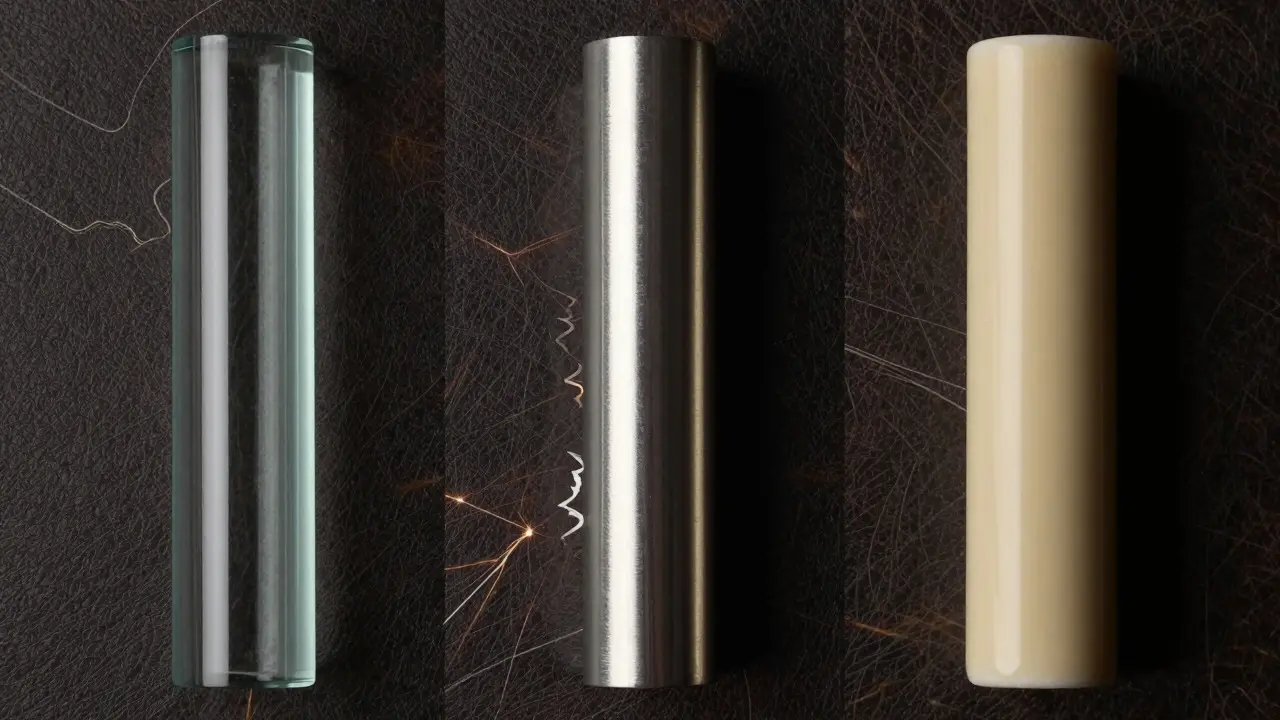
Your tools shape your sound. Robert Hill often used a glass slide, specifically a cut-down bottle or a commercial glass tube. Glass has a smoother surface than steel, allowing for faster, cleaner transitions. However, steel slides offer more grip and a brighter, sharper attack. Experiment with both. A common compromise is a steel bar with a rubberized coating, which provides the brightness of metal with the slipperiness of glass.
For amplification, clean tones are king. Overdriven distortion masks the nuances of slide playing. You want to hear the natural resonance of the wood and the metallic ping of the bar. If you use effects, stick to subtle chorus or delay to add space, but keep the gain low. In live settings, Hill often played through vintage-style tube amps set to a warm, mid-range focused profile. This ensures that the fundamental frequencies of the strings ring true without being buried by treble fizz.
| Material | Tone Character | Difficulty Level | Best For |
|---|---|---|---|
| Glass | Smooth, singing, sustained | Medium | Melodic leads, slow ballads |
| Steel | Bright, sharp, percussive | Hard | Rhythmic chugging, fast licks |
| Ceramic | Balanced, warm, clear | Easy | All-around practice, versatile styles |
Common Pitfalls and How to Fix Them
Even experienced players run into technical walls. Here are the three most common issues and immediate fixes:
- Out-of-Tune Slides: If your notes drift sharp or flat during a glide, your pressure is inconsistent. Check your wrist angle. Keep it straight and parallel to the neck. Also, ensure your strings are properly seated in the nut slots. Worn nut slots can cause the string to jump, leading to intonation errors.
- Dull Tone: If your slide sounds muddy, check your right-hand position. You are likely plucking too close to the bridge. Move your picking hand closer to the center of the guitar body to bring out more harmonics and warmth.
- Finger Fatigue: Holding a rigid arm posture for long periods causes cramps. Take micro-breaks every ten minutes. Shake out your hands. Remember, relaxation is a skill. If you feel tension, stop and reset your shoulder position before continuing.
Putting It All Together: Practice Routine
To internalize these techniques, you need a structured practice plan. Don't just noodle around. Focus on one element at a time. Spend the first five minutes of your session on pure scale exercises in Open G, focusing solely on clean transitions. Next, spend ten minutes practicing bends on the third and fourth strings, aiming for perfect pitch accuracy. Finally, play a simple melody using ghost notes and vibrato. Record yourself. Listening back reveals flaws you can't hear while playing. Compare your recording to a track by Robert Hill. Listen for the differences in timing, dynamics, and tone. This active listening process accelerates learning far more than passive repetition.
Mastering this style is a journey, not a destination. It requires patience and a willingness to embrace imperfection. The beauty of slide guitar lies in its raw emotion. Don't aim for robotic perfection; aim for human connection. When you combine the right setup, the correct physical mechanics, and the signature expressive moves, you won't just be playing guitar. You'll be telling a story, one slide at a time.
What is the best string gauge for slide guitar?
Heavier strings, such as .013 to .017 gauges, are generally recommended. They provide enough tension to stay in tune under the pressure of a slide bar while maintaining sufficient flexibility for bending. Lighter strings tend to go out of tune easily and produce a weaker tone.
Should I use a glass or steel slide?
It depends on your desired tone. Glass slides offer a smoother, more singing sound ideal for melodic lines. Steel slides are brighter and sharper, better suited for rhythmic playing. Many players use glass for lead work and steel for rhythm parts, or they choose a ceramic option for a balanced middle ground.
Why do my notes sound buzzy when I slide?
Buzzing usually indicates that your action is too low or your pressure is inconsistent. Raise the bridge slightly to give the strings more clearance. Additionally, ensure you are applying minimal, consistent pressure with the slide. Excessive force pushes the string against the frets, causing rattle.
Can I play slide guitar in standard tuning?
Yes, but it is less common for traditional blues styles. Standard tuning works well for certain modern and rock applications. However, open tunings like Open G or Open D allow the slide to create full chords with a single motion, making it easier to achieve the rich, harmonic sound associated with artists like Robert Hill.
How important is the right-hand picking technique?
Very important. Your picking hand controls the dynamics and articulation of each note. Using a pick versus fingers changes the attack significantly. A pick offers a sharper, louder attack, while fingerpicking produces a softer, warmer tone. Varying your pick angle and distance from the bridge allows you to sculpt the tone of every phrase.