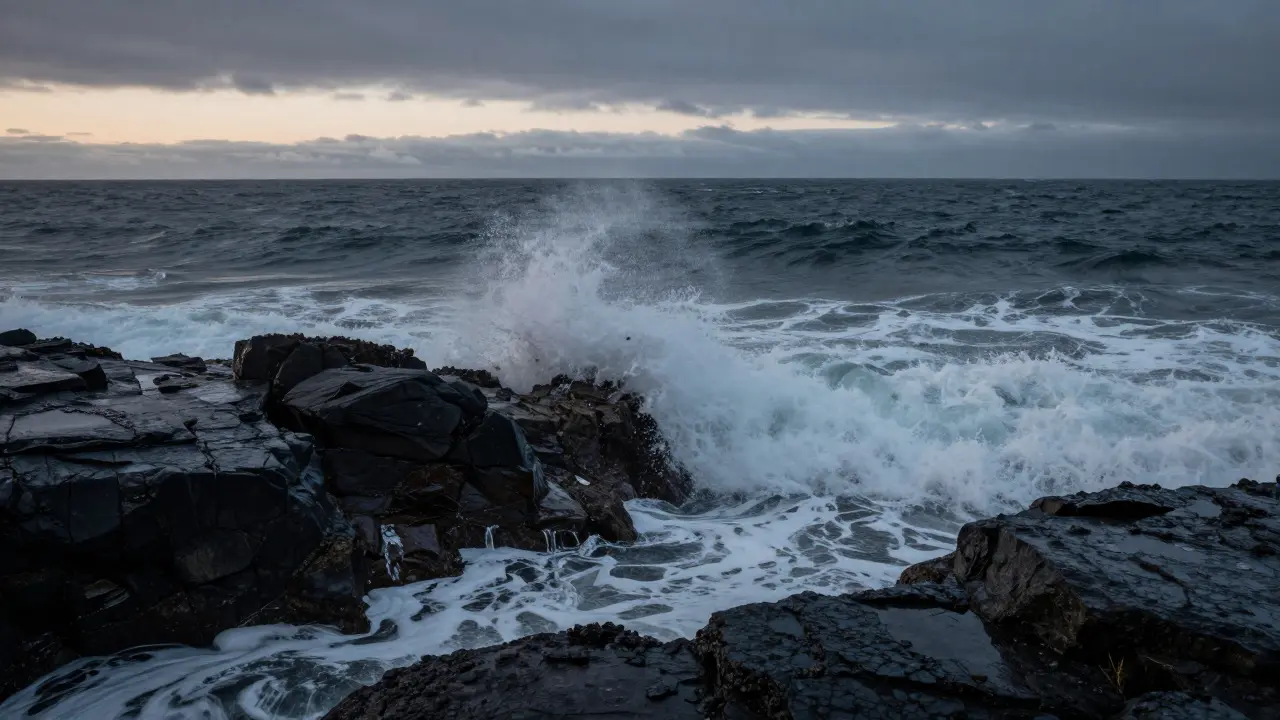
There is a specific kind of silence that exists in a recording booth at 2 AM. It isn’t empty; it’s heavy with expectation. For many artists, the journey from a rough voice memo to a polished single release is a chaotic blur of deadlines and technical glitches. But for "Fifty Salty Waves," the process was different. It was a deliberate, almost meditative exploration of how sound can mimic the feeling of standing on a cliff edge, watching the ocean crash against rocks below.
The title itself tells you everything you need to know about the sonic landscape. Fifty waves is not a small number. It suggests repetition, persistence, and the relentless nature of the tide. This track wasn't written to be catchy in the traditional pop sense; it was crafted to be immersive. If you are an artist looking to understand how to translate abstract emotions into concrete audio textures, this breakdown offers a transparent look at the decisions made during both the writing and recording phases.
Capturing the Core Emotion
Before touching a keyboard or picking up a guitar, the focus was entirely on the narrative. What does "fifty salty waves" actually feel like? Is it exhaustion? Is it awe? Or is it the terrifying realization that you are small compared to nature? The initial lyrics were sparse, relying heavily on imagery rather than direct storytelling. We wanted the listener to project their own experiences onto the song, which required leaving space in the arrangement.
This approach aligns with modern songwriting techniques that prioritize mood over melody-first structures. Instead of forcing a verse-chorus-verse pattern immediately, we let the instrumental intro breathe for nearly forty seconds. This long lead-in sets the tone, allowing the listener to settle into the rhythm before the vocals enter. It’s a risky move for radio play, but essential for streaming platforms where users control the playback experience.
The Writing Phase: From Notebook to DAW
The demo phase happened in a home studio setup, which provided the intimacy needed to capture raw ideas. Using a digital audio workstation (DAW), specifically Ableton Live, we sketched out the harmonic progression. The key choice was minor, but with major pentatonic inflections to create a bittersweet tension. This musical theory decision directly influences the emotional response of the listener, shifting the vibe from purely melancholic to hopeful yet uncertain.
- Lyric Iteration: The first draft was too literal. Phrases like "the water is cold" were replaced with more sensory details like "brine on my lips." Specificity creates authenticity.
- Melodic Contour: The vocal melody starts low and constrained, mirroring the weight of the waves, then expands in the second chorus as if the singer is finally letting go.
- Rhythmic Foundation: We used a 6/8 time signature instead of the standard 4/4. This gives the track a lullaby-like sway, reinforcing the oceanic theme without using actual wave samples initially.
Recording Vocals: The Human Element
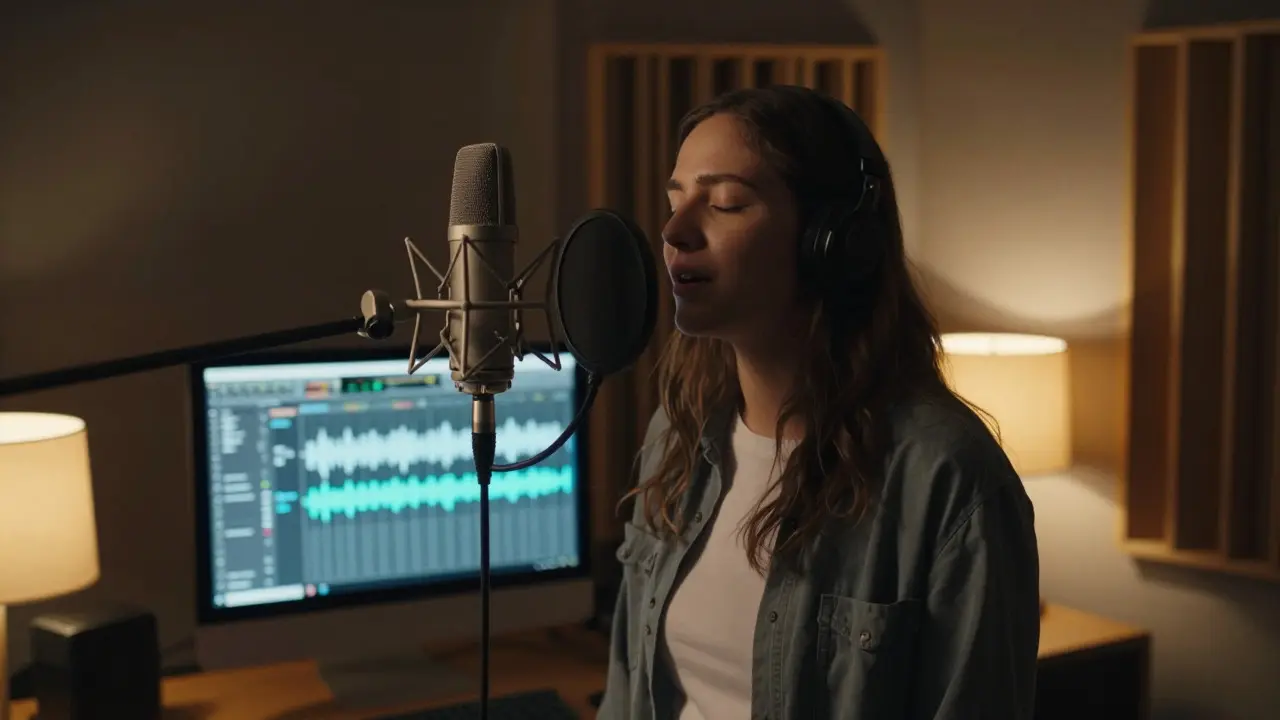
When it came time to record the final vocals, the goal was clarity without perfection. Over-polished vocals can feel sterile, especially in a track that deals with natural forces. We recorded using a large-diaphragm condenser microphone, specifically the Neumann U87, known for its warm midrange and ability to capture breath and room tone.
The vocalist stood close to the mic, within two inches, to get that intimate proximity effect. However, we didn't use a pop filter for every take. Sometimes, the slight plosive sounds added a gritty texture that felt honest. We tracked eight takes per section, selecting the best moments from each to compile the final performance. This technique, often called comping, ensures energy consistency while retaining human imperfection.
Instrumentation and Texture Design
The instrumentation for "Fifty Salty Waves" relies less on traditional band dynamics and more on textural layering. The foundation is a deep, sub-bass drone that provides physical weight to the low end. Above this, we layered acoustic guitar parts played with a fingerstyle technique, avoiding strumming to keep the attack soft.
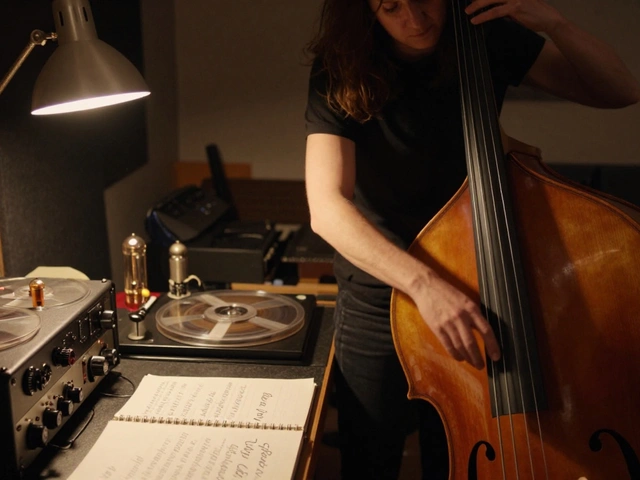
To create the "wave" effect, we utilized reverb and delay extensively. Rather than just applying effects to the guitar, we created separate stems for ambient pads. These pads were generated by pitching down cello recordings and running them through a granular synthesizer. This process breaks the sound into tiny grains and scatters them, creating a shimmering, ethereal background that moves slowly across the stereo field. It’s a subtle detail, but it’s what makes the track feel vast.
| Element | Tool/Technique | Purpose |
|---|---|---|
| Vocals | Neumann U87 Mic, Close Proximity | Intimacy and warmth |
| Bass | Sub-bass Drone | Physical weight and depth |
| Guitar | Fingerstyle Acoustic | Soft attack, organic feel |
| Ambience | Granular Synthesis | Ethereal movement, spatial width |
| Rhythm | 6/8 Time Signature | Lullaby sway, oceanic motion |
Mixing for Immersion
Mixing this track presented unique challenges because there are no distinct drums driving the beat. Without a kick drum to anchor the low end, the mix could easily become muddy. The solution was careful EQ sculpting. We cut frequencies below 100Hz from all instruments except the dedicated bass drone. This ensured that the sub-bass had its own lane, preventing frequency masking.

Mastering and Release Strategy
Mastering focused on loudness without sacrificing dynamic range. Since the track is intended for streaming services like Spotify and Apple Music, we targeted an integrated loudness of -14 LUFS. This standard ensures the track competes well in playlists without sounding compressed or fatiguing. We used a multiband compressor to tame peaks in the vocal transients while keeping the quiet intros intact.
Releasing a single requires more than just uploading a file. We coordinated the release with visual assets, including a lyric video that uses slow-motion footage of the Pacific Northwest coastline. The visual component reinforces the auditory experience, creating a cohesive brand identity for the song. This multi-sensory approach helps fans connect with the work on a deeper level, increasing the likelihood of shares and saves.
Lessons Learned for Future Projects
Working on "Fifty Salty Waves" highlighted the importance of patience in the creative process. In an industry that often demands quick turns, taking the time to refine a texture or rewrite a line pays off in the final product's longevity. The track resonates because it feels lived-in, not manufactured.
For other artists, the takeaway is clear: define your core emotion first. Let the technical choices serve that emotion, not the other way around. Whether you are using analog gear or virtual plugins, the goal is always to transport the listener. If they can hear the salt in the air and feel the wind on their face, you have succeeded.
What is the time signature of "Fifty Salty Waves"?
The track uses a 6/8 time signature. This choice creates a swaying, lullaby-like motion that mimics the rhythmic crashing of waves, distinguishing it from standard 4/4 pop structures.
Which microphone was used for the lead vocals?
A Neumann U87 large-diaphragm condenser microphone was used. It was positioned close to the vocalist to capture intimate details and warm midrange frequencies, enhancing the personal feel of the performance.
How was the oceanic atmosphere created in the mix?
The atmosphere was built using granular synthesis on cello recordings, pitched down and scattered to create ethereal pads. Extensive reverb and delay were also applied to guitar and vocal elements to widen the stereo field and simulate vast spaces.
What is the target loudness for streaming platforms?
The master targets an integrated loudness of -14 LUFS. This is the current standard for most major streaming services, ensuring the track balances well with others in playlists while maintaining dynamic range.
Why was a 6/8 meter chosen over 4/4?
The 6/8 meter provides a compound triple feel that naturally evokes motion and flow. Unlike the steady pulse of 4/4, 6/8 has a rolling quality that better suits the thematic concept of waves and tides.