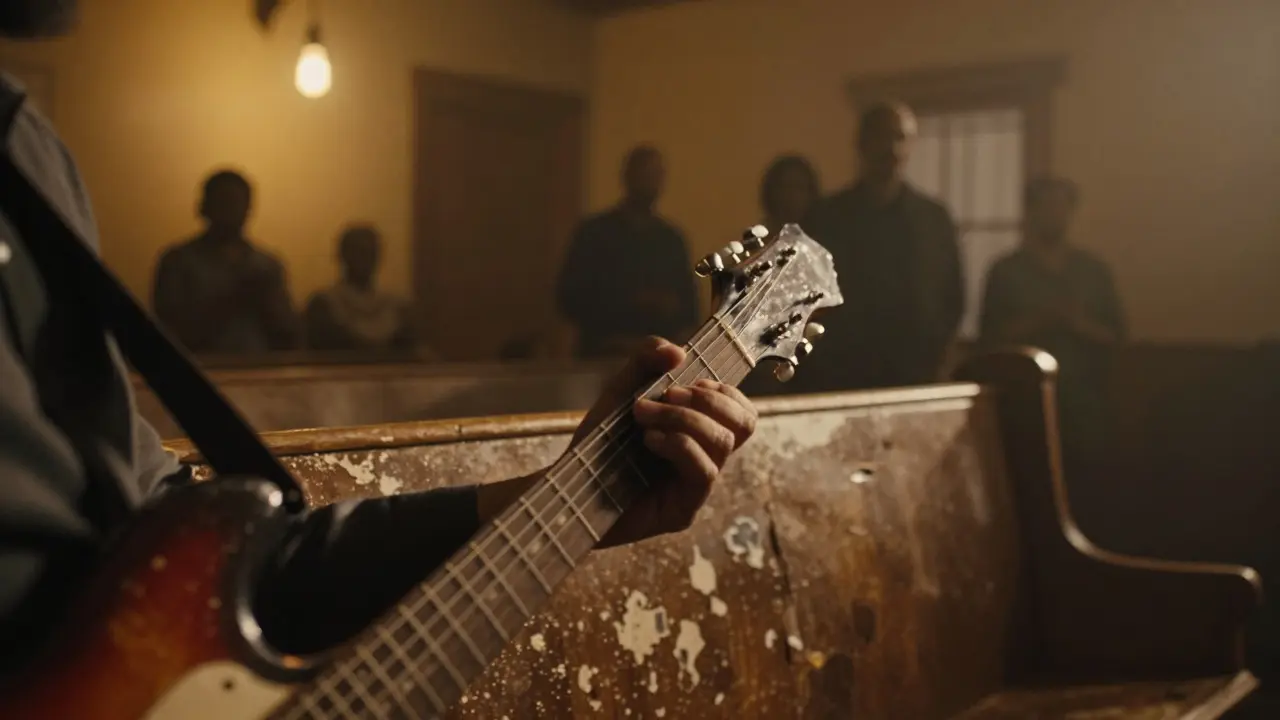
Imagine a small church basement in the Delta. The air is thick with humidity and anticipation. A man picks up a bottle neck or a steel bar, places it on his fretboard, and lets out a note that doesn't quite resolve. It hangs there, bending slightly, crying out before the band even kicks in. That single sound sets the tone for everything that follows. In gospel blues, this isn't just a musical technique; it is the primary vehicle for storytelling.
When you listen to artists like Robert Johnson, Muddy Waters, or modern interpreters like Keb' Mo', you hear more than notes. You hear a narrative arc. The slide guitar allows performers to mimic the human voice in ways standard fretting cannot. It creates a sense of urgency, sorrow, and eventual release that mirrors the spiritual journey central to gospel traditions. This article explores how specific techniques and tonal choices on the slide guitar shape the emotional landscape of gospel blues performances.
The Sonic Language of Sorrow and Hope
To understand the role of the slide guitar, we have to look at what it actually does acoustically. Unlike plucking strings directly, a slide moves across the strings, creating a continuous pitch change rather than discrete steps. This continuity is key. In Western classical music, intervals are precise. In the blues, they are fluid. The slide guitar exploits this fluidity to create "blue notes"-flattened thirds, fifths, and sevenths that sit between the major and minor scales.
These microtonal shifts are crucial for worship narratives. They represent the space between suffering and salvation. When a guitarist slides from a flat third to a natural third, they are audibly moving from darkness into light. This physical movement on the instrument translates directly to the listener's emotional state. It tells a story of transition without using a single word. For the congregation or audience, this sonic bridge makes the abstract concept of redemption feel tangible and immediate.
Techniques That Shape the Story Arc
Not all slide playing sounds the same. The way a performer handles the bar changes the narrative weight of the song. There are three core techniques that define the gospel blues aesthetic:
- Bottleneck Bends: This involves pressing the slide down hard against the string while moving it. It creates a sharp, aggressive cry. This is often used in the verses to establish conflict or pain. Think of the opening lines of "Cross Road Blues." The bend is short, urgent, and demanding attention.
- Glissando Transitions: Sliding smoothly from one chord position to another over several frets. This technique is slower and more legato. It is typically reserved for choruses or bridges where the message shifts from personal struggle to communal hope. The sound is sweeping and expansive, suggesting a widening of perspective.
- Vibrato Control: The subtle wobble applied after a note is struck. In gospel contexts, a slow, deep vibrato suggests prayer and contemplation. A fast, tight vibrato suggests anxiety or excitement. By modulating this speed, the guitarist can guide the crowd through different emotional states within the same verse.
Mastering these distinctions is what separates a technical player from a storyteller. The best gospel blues musicians treat the slide not as an effect, but as a vocal instrument. They phrase their lines exactly as a preacher would phrase a sermon, with pauses, emphases, and crescendos.
The Role of Tone and Amplification
You might think the guitar itself matters most, but in live gospel blues performance, the amplifier is half the story. The raw signal from a slide guitar is thin and prone to feedback. To get that rich, singing sustain, players rely heavily on tube amplifiers and specific pedals.
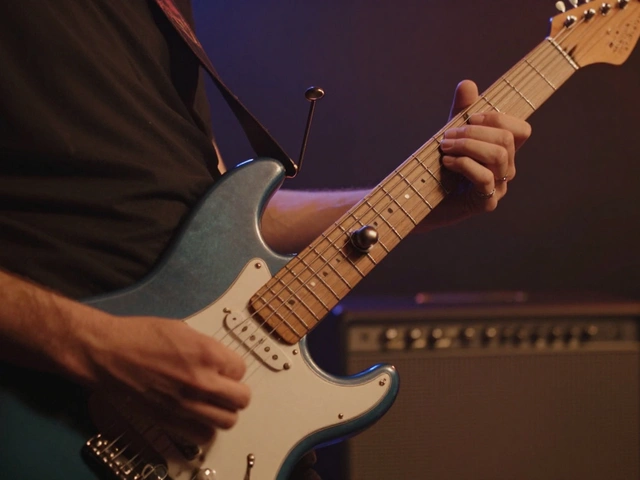
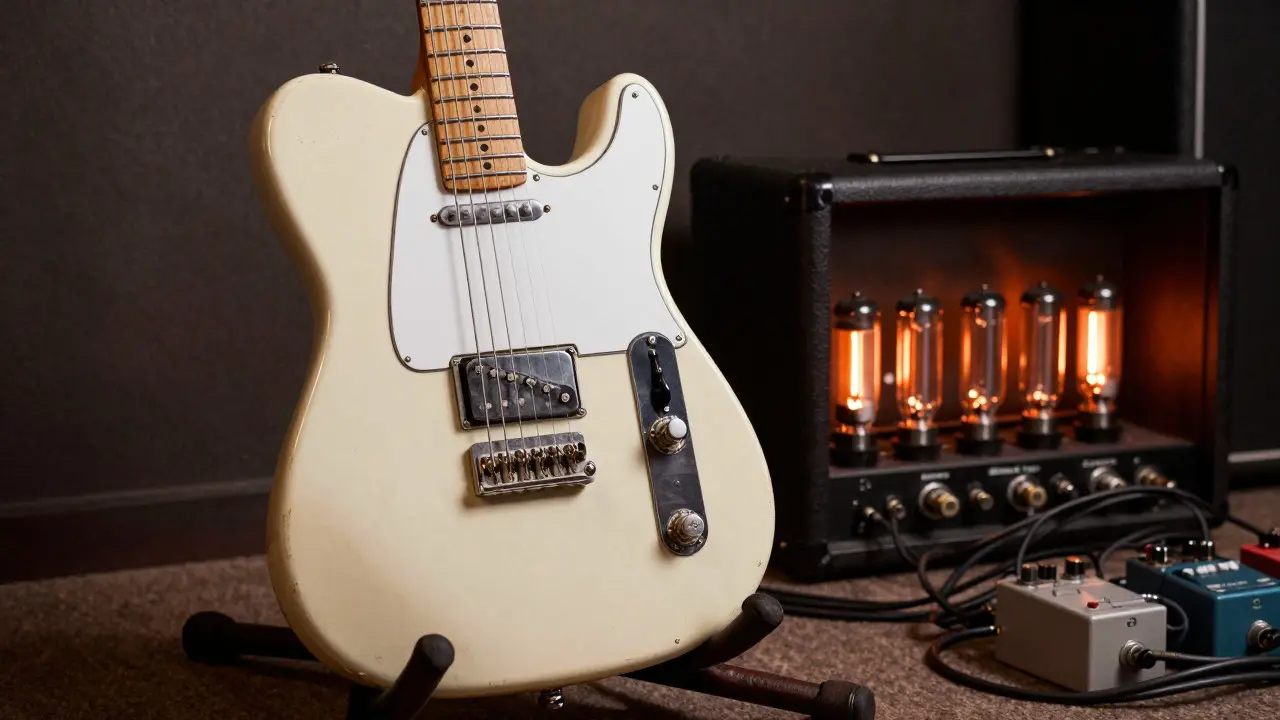
A common setup involves a Fender Telecaster or Stratocaster equipped with single-coil pickups. These pickups capture the high-frequency detail of the slide's metal-on-string interaction. When pushed through a Marshall or Fender Twin Reverb amp, the overdrive adds harmonic complexity. This distortion mimics the roughness of a human voice cracking under emotion. Without this grit, the slide can sound too clean, too polished, and ultimately less authentic to the genre's roots.
Furthermore, the use of reverb and delay effects has evolved significantly. Early recordings had little to no effects, relying on room acoustics. Modern productions use plate reverb to create a cathedral-like space. This digital echo reinforces the idea of a divine presence echoing back the singer's plea. The technology serves the theology here; the sound design literally builds a virtual sanctuary around the listener.
Comparing Slide Styles in Different Contexts
While the core principles remain consistent, the application varies depending on whether the performance is in a secular club or a sacred service. Understanding these differences helps clarify why the slide guitar feels so versatile.
| Aspect | Secular Club Performance | Sacred Church Service |
|---|---|---|
| Narrative Focus | Personal experience, romance, social justice | Divine intervention, community healing, scripture |
| Dynamic Range | High contrast, loud peaks, quiet intros | Gradual build-up, sustained intensity, collective release |
| Interaction with Audience | One-way projection, showcasing virtuosity | Call-and-response, inviting participation |
| Tempo Variations | Rigid structure, strict timekeeping | Fluid tempo, stretching phrases for emotional impact |
In a secular setting, the slide guitar often takes center stage during solos. The goal is to demonstrate skill and evoke individual feeling. In a church setting, the guitar supports the choir and preacher. The solo sections become moments of intercession, where the instrument speaks for those who cannot find words. This shift in function changes how the musician approaches phrasing. Less is often more in the sacred context, allowing the silence between notes to carry as much weight as the notes themselves.
Historical Roots and Modern Evolution
The connection between slide guitar and gospel didn't happen overnight. It emerged from the cross-pollination of African American musical traditions in the early 20th century. Field hollers and work songs provided the rhythmic foundation, while hymns provided the harmonic structure. The slide guitar entered the picture as a portable, affordable way to amplify these voices. Early pioneers like Blind Lemon Jefferson used the technique to emulate the banjo and fiddle sounds common in rural communities.
Today, the tradition continues to evolve. Artists are incorporating electronic elements, such as synthesizers and drum machines, but the slide guitar remains the anchor. Why? Because it is the only instrument that can physically reproduce the unpredictability of human speech. No synth patch perfectly captures the slight hesitation of a voice breaking down in tears. The slide guitar retains its relevance because it remains imperfect, organic, and deeply human.
Practical Tips for Incorporating Narrative Elements
If you are a musician looking to apply these concepts, start by listening with your eyes closed. Don't just listen to the notes; listen to the spaces between them. Here are a few actionable steps to deepen your narrative approach:
- Map Your Emotions: Before playing, identify the emotional peak of your song. Decide which slide technique will lead to that peak. Use straight tones for stability and bends for instability.
- Control Your Attack: Vary how hard you press the slide. A lighter touch produces a softer, more intimate tone suitable for verses. A heavier press creates a brighter, cutting tone for choruses.
- Use Silence Strategically: Stop playing right before the final chorus. Let the tension build. When you come back in, use a long, sustained glissando to release that tension. This dynamic shift is powerful in worship settings.
- Imitate Vocal Phrases: Take a line from a famous gospel hymn. Try to play the melody on the slide guitar, matching the rhythm and inflection of the singer. This exercise trains your ear to translate vocal nuance into instrumental language.
By treating your guitar as a narrator rather than just a rhythm section, you transform a performance into a shared experience. The audience stops hearing music and starts feeling a story unfold. That is the true power of the slide guitar in gospel blues.
Frequently Asked Questions
What is the difference between gospel blues and traditional blues?
Traditional blues often focuses on personal hardship, love, and daily life struggles. Gospel blues incorporates spiritual themes, referencing God, salvation, and faith. Musically, gospel blues tends to be more harmonically complex, using richer chord progressions and more elaborate arrangements to support choral vocals and narrative depth.
Why is the slide guitar specifically suited for worship music?
The slide guitar's ability to produce continuous pitch bends mimics the human voice, particularly in expressive singing. This allows it to convey emotions like sorrow, joy, and pleading with greater authenticity than standard fretted instruments. Its sustained tones also create a meditative atmosphere conducive to prayer and reflection.
Do I need special equipment to play slide guitar for gospel blues?
You don't need exotic gear, but certain setups work better. A guitar with single-coil pickups (like a Telecaster) captures the bright, clear attack of the slide. Using a tube amplifier with moderate gain helps achieve the warm, gritty tone characteristic of the genre. Lighter gauge strings are easier to slide on and reduce finger fatigue during long performances.
How does the slide guitar interact with the choir in a live performance?
In live gospel blues, the slide guitar often plays a supporting role during choral sections, providing harmonic beds and rhythmic pulses. During call-and-response segments, the guitar may answer the choir's calls with melodic hooks. In instrumental breaks, the guitar takes the lead, carrying the narrative forward until the choir re-enters, creating a dynamic dialogue between the instrument and the voices.
Can beginners learn to use slide guitar for storytelling?
Yes, but it requires patience. Start by learning simple pentatonic scales in open tunings like Open G or Open D. Focus on controlling the volume and intonation of your slides. Practice playing along with classic gospel blues tracks, trying to match the emotional contour of the original recording. Over time, you will develop the muscle memory needed to express nuanced feelings through the instrument.