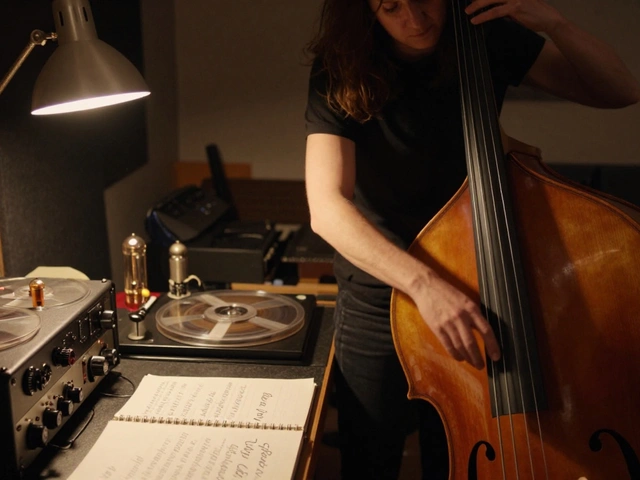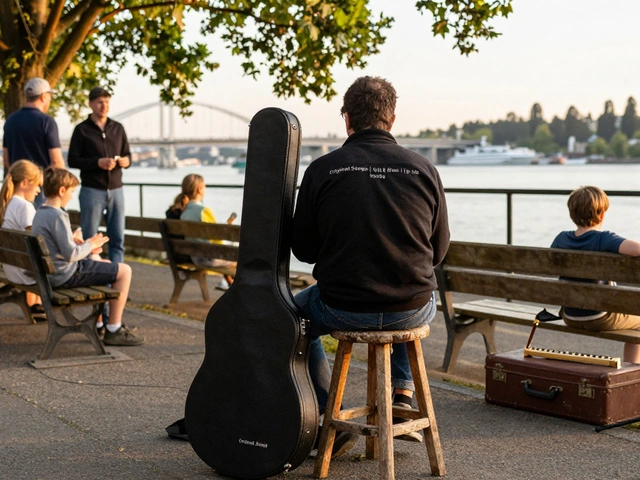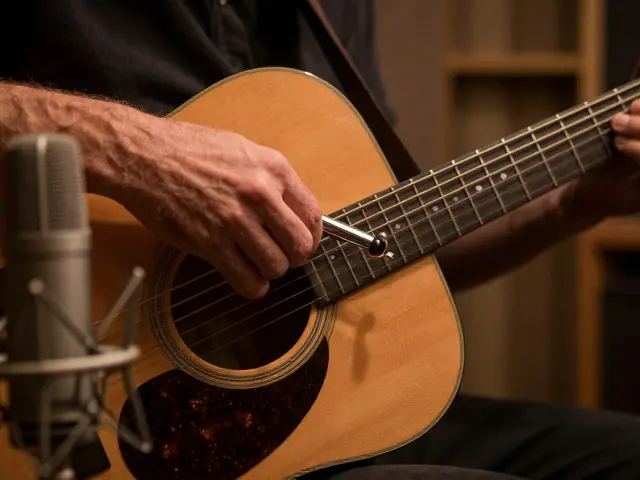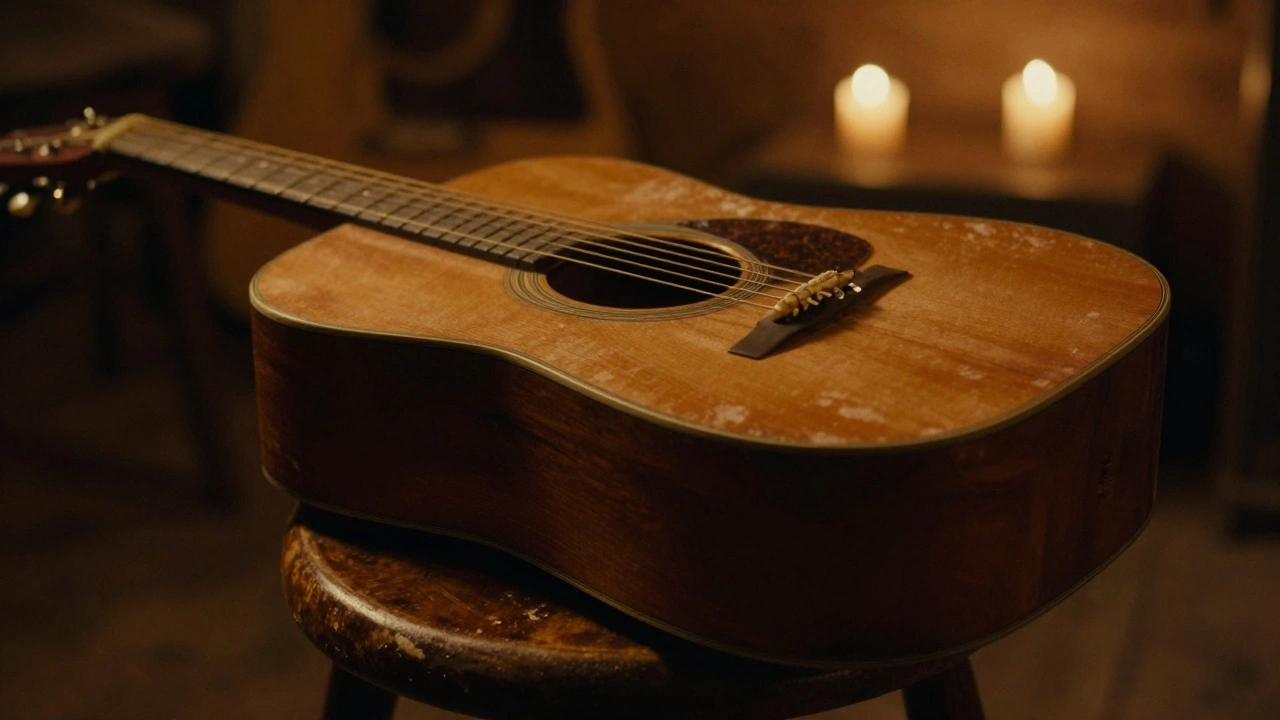
Have you ever watched a folk singer sit on a stool, strumming a worn-out acoustic guitar, and felt like they were telling your personal story? That feeling isn’t an accident. It’s the result of authentic presentation, which is a performance style that prioritizes emotional truth, narrative clarity, and raw connection over technical perfection or theatrical spectacle. In the world of roots genres, including traditional folk, bluegrass, and country blues, authenticity is not just a buzzword-it is the currency of trust between the artist and the audience.
Many performers mistake authenticity for simply wearing flannel or playing old songs. But true authenticity in folk music performance is the deliberate act of stripping away artifice to reveal the human core of the song. It requires a deep understanding of the material, a command of subtle vocal techniques, and a stage presence that invites the listener into a shared space rather than broadcasting at them from a distance. If you are looking to connect deeply with audiences in this genre, you need to master the art of being real.
The Core Philosophy of Roots Genres
To understand how to perform authentically, you first have to understand what you are performing. Roots music is a broad category encompassing traditional styles such as folk, blues, country, jazz, and reggae that form the foundation of modern popular music. Unlike pop or electronic dance music, which often rely on production layers and digital effects to create impact, roots genres rely on the nakedness of the instrument and the voice. When you play a Martin D-28 guitar or sing a traditional ballad, there is nowhere to hide. The wood, the strings, and your breath are all exposed.
This exposure demands a different mindset. In rock or pop, you might perform a character. In folk, you perform yourself-or at least, the most honest version of yourself that can carry the weight of the lyrics. The philosophy here is that the song is older and bigger than the performer. Your job is not to reinvent the wheel but to polish it until it shines. This humility is the first step toward an authentic presentation. You are a vessel for the tradition, not its owner.
Vocal Delivery: Speaking Through Song
One of the biggest mistakes new folk singers make is trying to sound like opera singers or rock stars. They push too much vibrato, belt too high, or use excessive reverb. Authentic folk vocal delivery is closer to speaking than to singing. Think about how Bob Dylan delivered his lines. He didn’t care if his pitch was perfect; he cared if the words landed with the right emphasis and emotion. His phrasing was conversational, often dragging behind or rushing ahead of the beat to mimic natural speech patterns.
To achieve this, focus on diction and dynamics. Enunciate every consonant so the story is clear. Use volume changes to reflect the emotional arc of the lyric. A whisper can be more powerful than a scream in a small venue. Practice singing your songs while walking around your house, talking to friends, or doing dishes. If you can tell the story clearly without musical accompaniment, you are on the right track. The goal is to make the melody serve the lyric, not the other way around.
Instrumental Intimacy and Technique
In folk music, your instrument is an extension of your body, not a prop. Whether you are playing the acoustic guitar, banjo, or fiddle, the tone should feel warm and immediate. Avoid overly bright or metallic sounds unless they serve the specific historical context of the song. For example, when playing Delta blues, you might use a slide guitar to mimic the human cry. When playing Appalachian folk, a flatpick on a steel-string guitar provides a crisp, rhythmic drive.
Technique matters, but simplicity wins. Complex fingerpicking patterns can distract from the narrative if they are not necessary. Learn to leave space. Silence is a powerful tool in folk performance. Let the chord ring out. Let the echo fade. This gives the audience time to process the lyrics and feel the emotion. Also, be mindful of your physical interaction with the instrument. Adjusting your tuning pegs lightly, tapping your foot, or gently strumming during a pause adds a layer of humanity that polished, rigid performances lack.
Stage Presence: The Art of Stillness
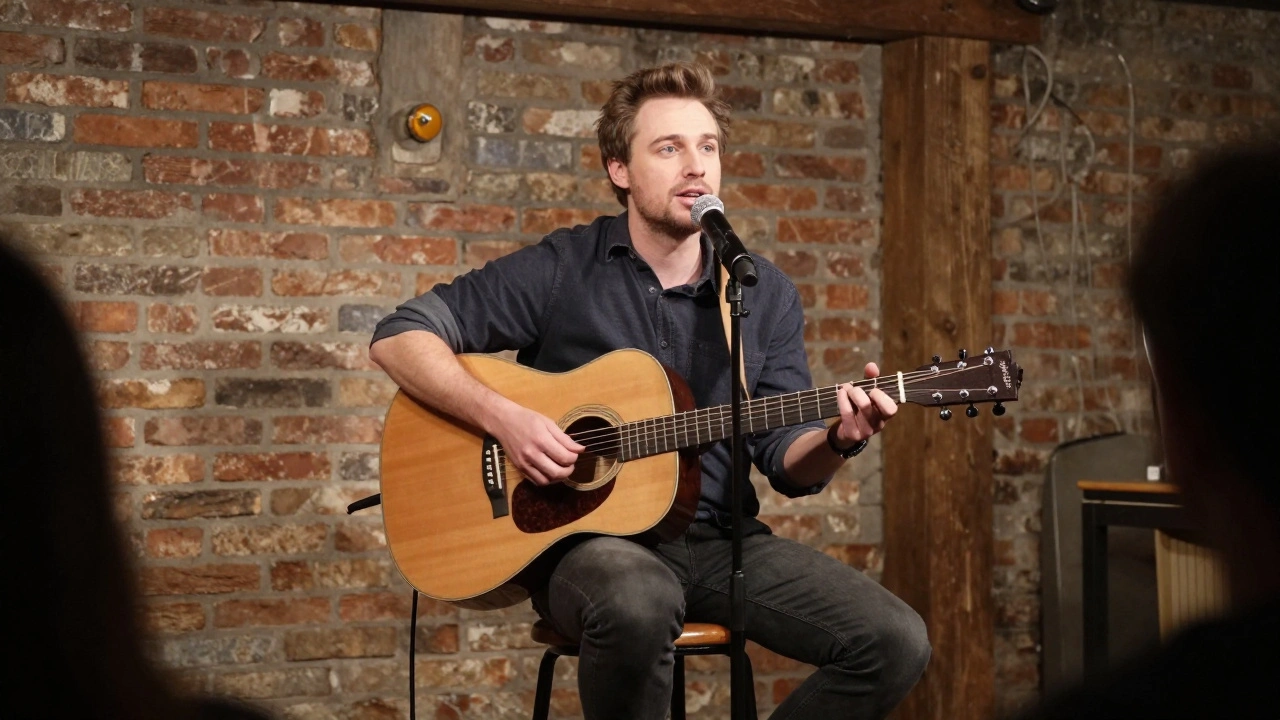
You do not need to run around the stage to be engaging. In fact, excessive movement can break the spell. Authentic stage presence in folk music is often characterized by stillness and eye contact. Sit on a stool or stand firmly in one spot. Make eye contact with individuals in the audience, not just the back wall. This creates a sense of intimacy, making each listener feel like you are singing directly to them.
Your posture should be relaxed but engaged. Slouching suggests disinterest, while standing at attention suggests military rigidity. Find a middle ground where you look comfortable and grounded. Remember, the audience is watching for clues about how to feel. If you look bored, they will feel bored. If you look present and invested, they will lean in. Your facial expressions should match the mood of the song-somber for a tragedy, light for a jig. But keep it subtle. Overacting feels fake. Underacting feels distant. Aim for genuine reaction.
Storytelling and Contextualization
Folk songs are stories. To perform them authentically, you must understand their context. Before you sing a traditional song like "House of the Rising Sun", research its origins. Is it from New Orleans? Is it about a brothel or a prison? Knowing the history allows you to infuse the performance with deeper meaning. When you introduce the song, share a brief, relevant anecdote. Don’t give a lecture, but offer a window into why this song matters to you or to history.
If you are writing original folk songs, ensure your narratives are specific. Vague emotions like "I’m sad" don’t resonate as deeply as concrete images like "The coffee went cold while I waited by the phone." Specificity breeds universality. Listeners connect with details because they allow their own imaginations to fill in the gaps. Your role is to provide the framework, not the entire picture.
Audience Connection and Interaction
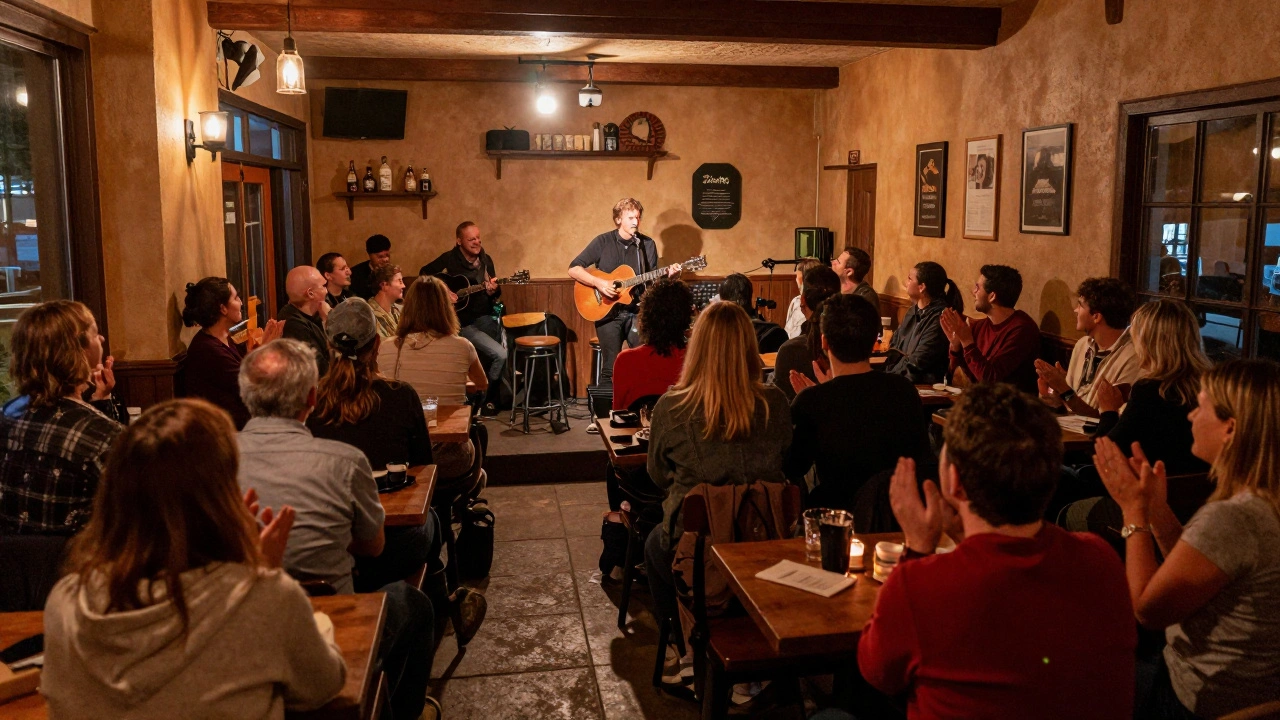
Folk music is communal. It thrives on participation. Encourage clapping on the second and fourth beats. Invite the audience to sing along on the chorus of well-known tunes. This breaks down the barrier between performer and spectator. However, be careful not to force it. Read the room. If the audience is quiet and respectful, respect that energy. If they are rowdy and energetic, match their vibe.
Thank your audience sincerely. Acknowledge the venue. Mention local landmarks or current events if appropriate. These small touches ground the performance in the present moment and show that you are aware of your surroundings. It transforms the gig from a generic recital into a shared experience unique to that night and that place.
| Aspect | Authentic Folk Performance | Theatrical/Folk-Rock Performance |
|---|---|---|
| Vocal Style | Conversational, dynamic, minimal vibrato | Belted, heavily processed, consistent vibrato |
| Instrumentation | Acoustic, organic tones, simple arrangements | Electric amplification, layered effects, complex solos |
| Stage Movement | Minimal, grounded, focused eye contact | High energy, frequent movement, choreographed |
| Audience Role | Active participants, communal sharing | Passive observers, entertainment consumers |
| Goal | Emotional connection and storytelling | Spectacle and auditory impact |
Pitfalls to Avoid in Authentic Presentation
Even with good intentions, performers can fall into traps that undermine authenticity. One common pitfall is cultural appropriation. Be respectful of the traditions you draw from. If you are singing songs from a culture not your own, do your homework. Acknowledge the source. Avoid caricatures or stereotypical accents. Another trap is over-polishing. While practice is essential, leaving some rough edges can make the performance feel more alive. Perfection can feel sterile. Imperfection feels human.
Also, avoid relying too heavily on backing tracks. Live instrumentation, even if it’s just one other person, adds a layer of spontaneity that pre-recorded loops cannot match. The slight variations in timing and dynamics between live musicians create a breathing quality that resonates with listeners. Finally, don’t ignore the power of silence. Rushing through pauses denies the audience the chance to absorb the weight of the music.
Practical Tips for Developing Your Style
Start by listening widely. Study masters of the genre like Joni Mitchell, Woody Guthrie, and Pete Seeger. Analyze not just what they play, but how they move, speak, and interact with their instruments. Record yourself performing. Watch the playback critically. Are you making eye contact? Is your posture open? Are you connecting with the lyrics?
Perform regularly in low-stakes environments. Open mics, coffee shops, and house concerts are ideal for experimenting with your presentation. Ask for feedback from trusted peers. Focus on one aspect of your performance at a time-maybe this week is about vocal dynamics, next week is about stage stillness. Gradually build your toolkit of authentic habits.
Conclusion: Embracing the Real
Authentic presentation in folk music is not about being perfect. It is about being present. It is about honoring the tradition while making it your own. By focusing on clear storytelling, intimate instrumental technique, and genuine audience connection, you can create performances that linger in the hearts of listeners long after the final chord fades. Remember, the best folk performances feel less like shows and more like conversations. Step onto that stage, breathe, and let the truth of the song guide you.
What makes a folk music performance authentic?
An authentic folk performance prioritizes emotional truth and narrative clarity over technical perfection. It involves conversational vocal delivery, intimate instrumental technique, and a stage presence that fosters a direct connection with the audience. The performer acts as a vessel for the song’s story, using minimal artifice to convey genuine emotion.
How can I improve my stage presence in folk music?
Focus on stillness and eye contact. Instead of moving excessively, remain grounded and make direct eye contact with audience members to create intimacy. Ensure your posture is relaxed but engaged, and let your facial expressions subtly reflect the mood of the song. Practice performing in front of a mirror or recording yourself to check for distracting movements.
Should I use backing tracks in a folk performance?
Generally, no. Live instrumentation adds spontaneity and human variation that backing tracks lack. Even a single accompanying musician can enhance the organic feel of the performance. If you must use technology, keep it minimal and transparent, ensuring it supports rather than replaces the live musical interaction.
What is the importance of storytelling in folk music?
Storytelling is the core of folk music. Songs are narratives that convey history, emotion, and social commentary. Understanding the context and origins of a song allows the performer to deliver it with deeper meaning. Clear diction and dynamic vocal delivery help ensure the story is understood and felt by the audience.
How do I avoid cultural appropriation in folk performance?
Respect the traditions you draw from by researching their history and acknowledging their sources. Avoid stereotypical accents or caricatures. If performing songs from a culture not your own, approach them with humility and sensitivity, ensuring you are honoring the original artists and communities rather than exploiting their heritage for entertainment.