Imagine dropping a new single and watching your open rates skyrocket because you didn't just send a link-you sent an experience. That is the power of a well-crafted music release email. Most artists treat the announcement as an afterthought, tacking on a cover art image and a Spotify link at the last minute. But your fans are not just looking for audio; they are looking for connection, context, and exclusivity. If you want to turn casual listeners into superfans who share your music with their friends, your email strategy needs to be as intentional as your songwriting.
Why Your Release Announcement Needs a Specific Structure
A generic "New Song Out Now" email gets ignored. To cut through the noise, your message needs a clear narrative arc. Think of it like a mini-story: the hook, the context, the action, and the reward. This structure guides the reader’s eye from curiosity to conversion without overwhelming them. The goal is to make clicking the play button feel like the natural next step in a conversation, not a transaction.
- The Hook: A subject line that promises value or intrigue, not just information.
- The Context: Why this song matters now. What inspired it? How does it fit into your current era?
- The Action: One clear call-to-action (CTA), usually a pre-save or stream link.
- The Reward: An exclusive bonus, like a lyric sheet, demo track, or early access to tickets.
When you stack too many CTAs-like asking them to buy merch, follow Instagram, *and* stream the song-you dilute the impact. Pick one primary goal per email. For a release day, that goal is almost always getting the first 10,000 streams in to boost algorithmic visibility on streaming platforms.
Anatomy of a High-Converting Layout
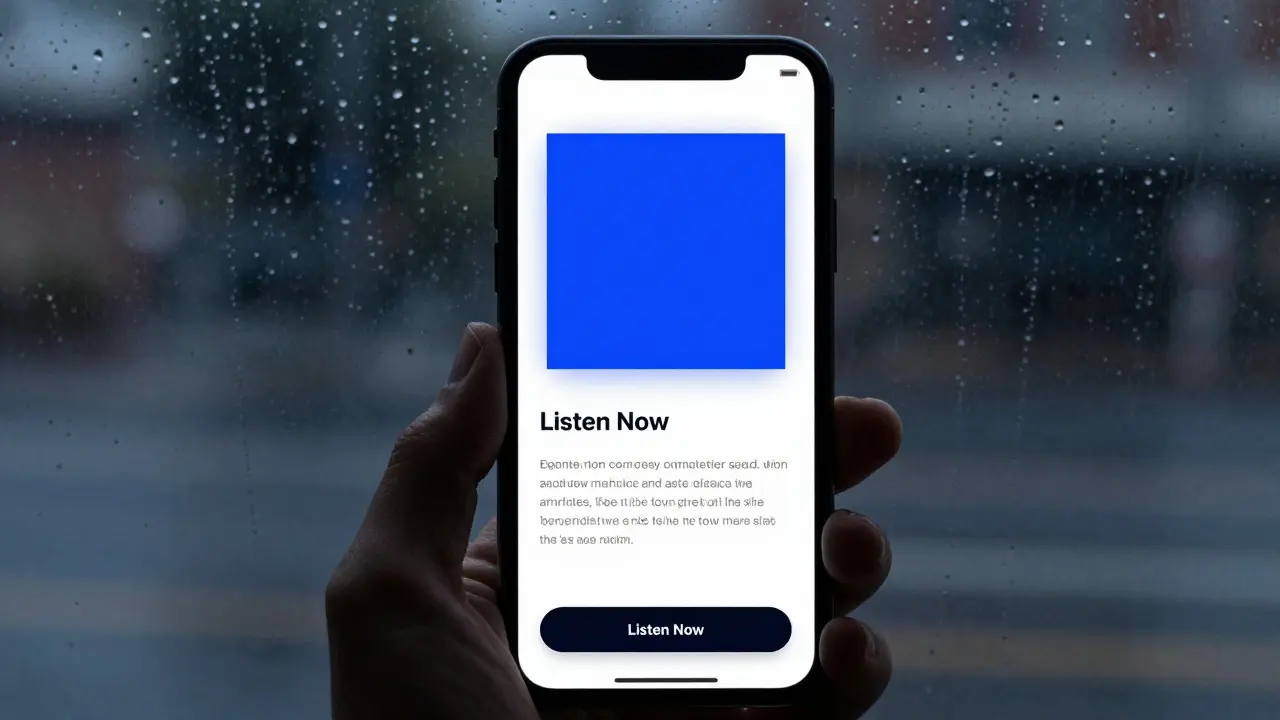
Visual hierarchy is everything in email design. Mobile users dominate music consumption, so your layout must look clean on a small screen. Avoid heavy graphics that slow down loading times. Instead, use whitespace to let the cover art breathe. Here is a breakdown of how to arrange your elements for maximum impact:
- Header Image: Use your official album or single artwork. Keep it square or vertical for mobile compatibility. Add a subtle banner text if necessary, but let the art speak.
- Introductory Text: Keep it under 50 words. Tell a micro-story. "I wrote this track in my car during a rainstorm in Portland..." is far more engaging than "My new song is out."
- Audio Player/Link Button: Place a large, high-contrast button right below the intro. Label it clearly: "Listen Now" or "Pre-Save on Spotify."
- Artist Bio Snippet: A short, updated bio reinforces your identity. Don’t repeat your full history; focus on what makes you relevant today.
- Social Proof: Include a quote from a press outlet or a fan comment. Social proof reduces friction for new subscribers who might not know you yet.
- Footer: Standard unsubscribe links, social icons, and a P.S. line with a secondary offer (like a discount code for merch).
Notice how the flow moves from emotional connection to logical action. You aren't just selling a song; you are inviting them into your world. This psychological shift increases the likelihood that they will engage deeply rather than just clicking once and leaving.
Crafting Subject Lines That Get Opened
Your subject line is the gatekeeper. If it fails, the rest of your beautiful template doesn't matter. In 2026, inbox clutter is higher than ever, so you need to be clever, not loud. Avoid all-caps and excessive punctuation. Instead, use curiosity gaps or personalization. Here are three proven frameworks for music releases:
| Strategy | Example | Best For | Risk Level |
|---|---|---|---|
| Curiosity Gap | You won't believe what I found in the studio... | Loyal fans | Low |
| Direct & Clear | New Single: "Midnight Drive" is out now | General audience | Medium |
| Exclusive Access | Early access to "Midnight Drive" inside | Superfans/VIPs | High |
Test these variations with small segments of your list before sending to everyone. A/B testing is non-negotiable. If you have 5,000 subscribers, send the curiosity version to 500 people and the direct version to 500 people. See which one wins, then blast the winner to the remaining 4,000. This simple habit can double your open rates over time.
Timing Your Send for Maximum Impact
When you hit send matters as much as what you send. Music fans check their phones during commutes, lunch breaks, and evenings. Based on industry data from major email service providers, the sweet spots for music-related content are Tuesday through Thursday between 10 AM and 1 PM local time. However, don't ignore your own analytics. If your dashboard shows that 70% of your opens happen at 8 PM, trust your data over general advice.
Also, consider the time zone of your core audience. If you are based in Portland but most of your fans are in New York, schedule your email to land in their morning, not yours. Most modern email platforms allow you to set send times based on recipient location, which is a feature you should definitely enable. It ensures your message arrives when they are actually awake and likely to listen.
Common Mistakes That Kill Engagement
Even experienced marketers stumble here. The most common error is burying the lead. If a user has to scroll past three paragraphs of biography to find the play button, they will stop scrolling. Put the CTA above the fold-the part of the email visible without scrolling. Another mistake is ignoring mobile optimization. Test your email on at least three different devices: an iPhone, an Android phone, and a tablet. If the images stretch weirdly or the text is too small, fix it immediately.
Finally, don't forget the P.S. line. It is often the second-most-read part of an email. Use it for a soft sell or a personal note. "P.S. I signed copies of the vinyl at the show last night-come say hi if you're around!" feels human and builds community. It reminds subscribers that you are a person, not just a brand.
Measuring Success Beyond Open Rates
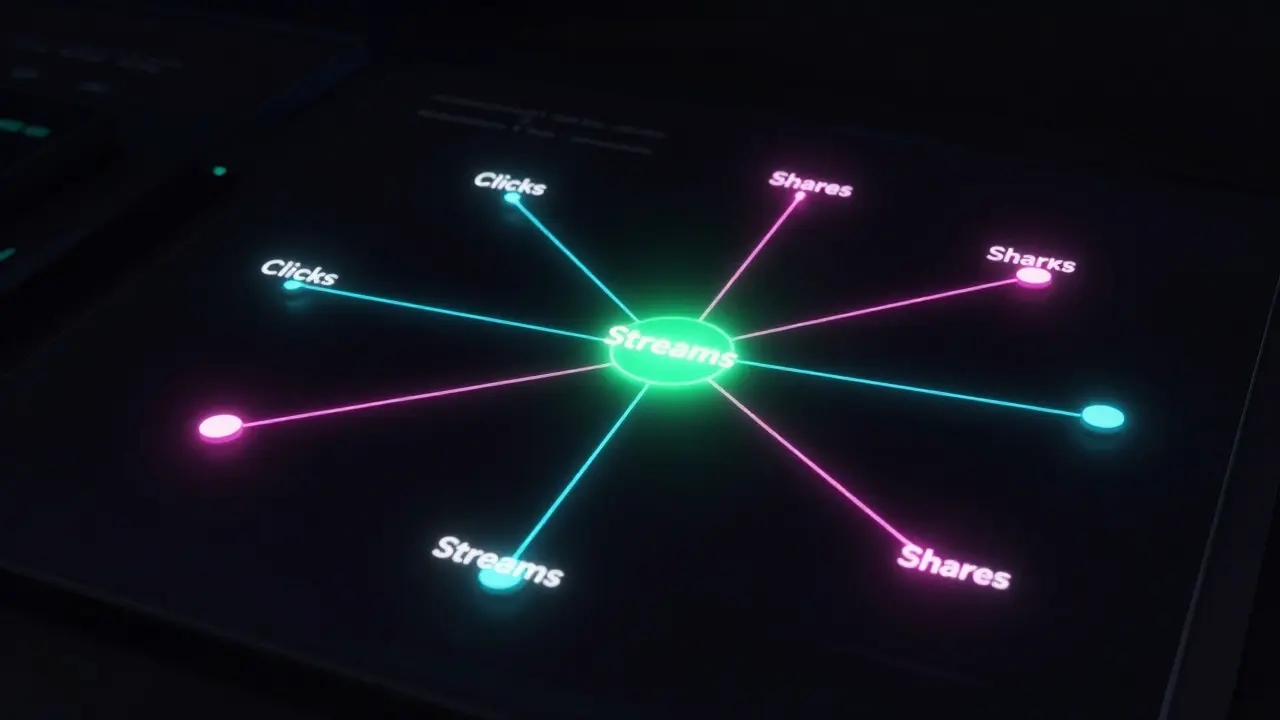
Open rates are vanity metrics. They tell you if people looked, but not if they listened. To truly gauge the success of your music release email is a targeted communication tool designed to drive immediate streaming and sales for new audio content., track these key performance indicators:
- Click-Through Rate (CTR): The percentage of recipients who clicked your main CTA. Aim for 2-5% for music audiences.
- Unique Listeners: Use UTM parameters on your links to see exactly how many unique individuals streamed the track via your email.
- Conversion Rate: If you linked to a digital download or vinyl purchase, track how many emails resulted in a sale.
- Share Rate: Monitor social shares directly attributed to the email campaign.
If your CTR is low but your open rate is high, your subject line worked, but your body copy or CTA failed. If both are low, your list might be stale, or your timing was off. Diagnose the issue before the next release. Data-driven adjustments compound over time, turning a decent email list into a powerful marketing asset.
Building a Pre-Launch Hype Sequence
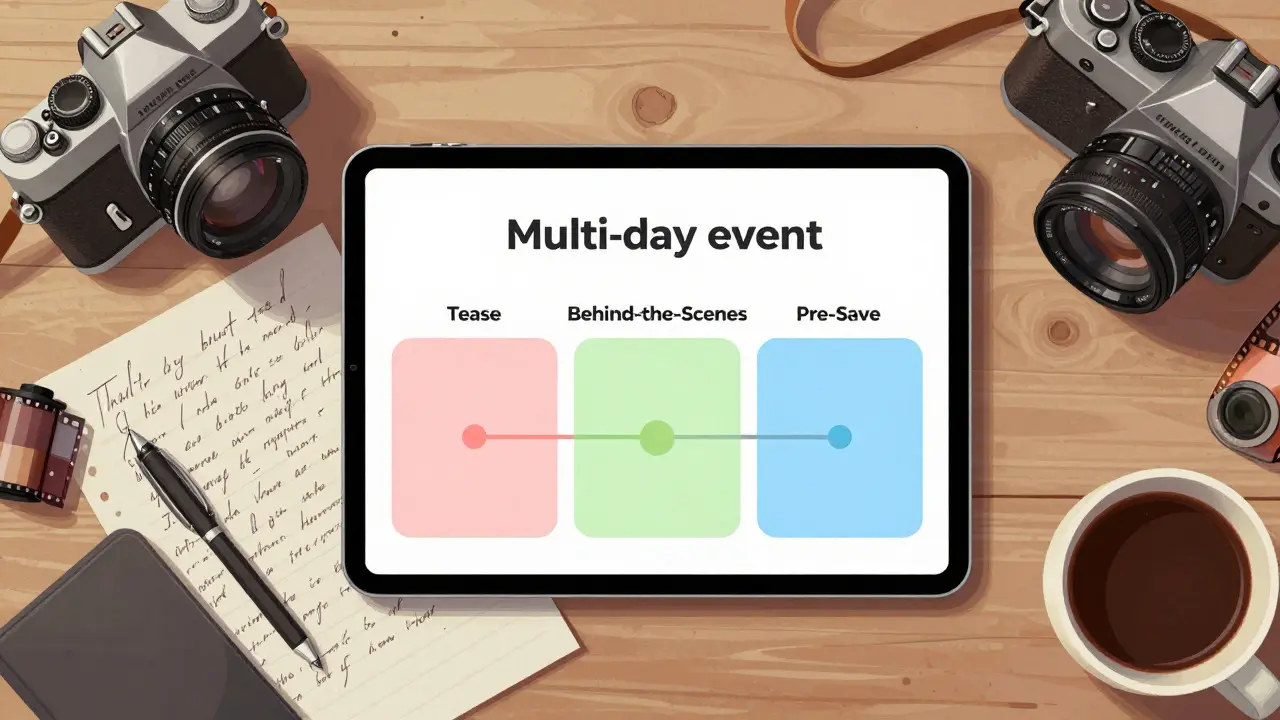
Don't wait until release day to email your fans. Start the conversation three days before. Day 3: Tease the title and a snippet of the lyrics. Day 2: Share behind-the-scenes photos from the recording session. Day 1: Offer a pre-save link with a promise of early access. This sequence warms up your audience and primes them to act immediately when the song drops. It transforms a single notification into a multi-day event, significantly boosting initial momentum.
This approach also helps segment your list. Those who click the pre-save link are your hottest leads. Tag them in your CRM system so you can send them VIP ticket offers or exclusive merchandise drops later. You are building a database of intent, not just a list of addresses.
What is the best day to send a music release email?
Tuesday through Thursday is generally the best window. Specifically, aim for mid-morning (10 AM - 1 PM) in your audience's local time zone. Always verify this against your own historical data, as niche genres may have different listening habits.
How long should my email copy be?
Keep the introductory text under 50 words. The entire email should be scannable in under 15 seconds. Use short paragraphs, bullet points, and clear headings to guide the reader's eye to the call-to-action quickly.
Should I include multiple streaming platform links?
Yes, but prioritize. Put your primary platform (usually Spotify or Apple Music) in the main button. Include smaller text links for other platforms (Tidal, Amazon Music) below the main CTA. Avoid creating a wall of buttons, which causes decision paralysis.
How do I measure if my email actually drove streams?
Use UTM parameters on all your outbound links. For example, add ?utm_source=email&utm_medium=newsletter&utm_campaign=midnight_drive_release to your Spotify link. Then, check your Spotify for Artists dashboard or third-party analytics tools to filter traffic by source. This gives you exact numbers on email-attributed plays.
Is it okay to sell merch in the same email as the song release?
It is risky. Focus the primary CTA on streaming. If you must mention merch, put it in the P.S. section or a small footer link. Splitting attention between two big actions usually lowers conversion for both. Save the dedicated merch push for a separate email sent a few days after the release.