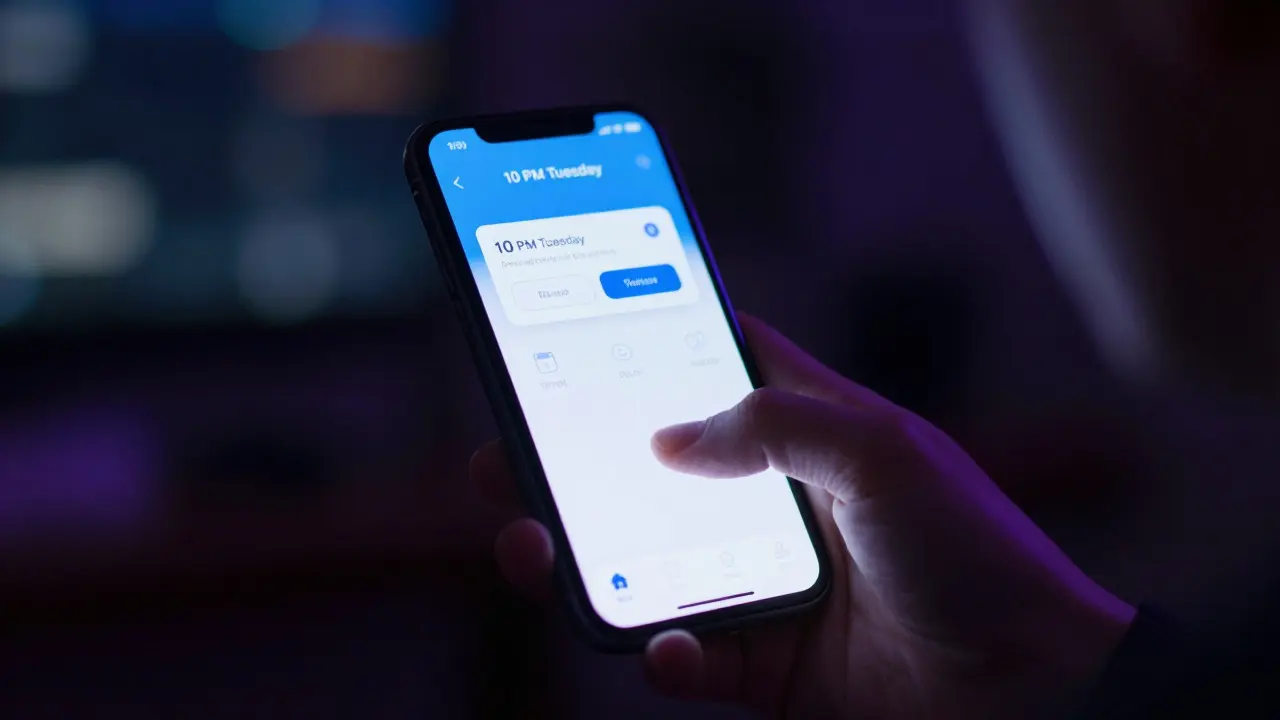
Imagine this: It’s 10 PM on a Tuesday. Your fans are scrolling through their phones, half-asleep, when a notification pops up. "New Tour Dates." Suddenly, the room is alive with comments, shares, and panic-buying energy. That spike in excitement isn’t magic; it’s strategy. Tour announcement is a multi-stage marketing campaign designed to maximize ticket sales and community hype before tickets go public. If you get the timing wrong, you miss out on early adopters. If you do it right, you create a cultural moment that sells out venues weeks before general release.
The Psychology of Hype
Why do we care so much about being first? It’s not just about convenience. In the world of live music marketing, which focuses on promoting concerts and festivals, the element of scarcity drives behavior. When fans know that only a select group gets access first, they feel part of an exclusive club. This psychological trigger is central to any successful rollout. You aren't just selling seats; you're selling status and belonging. The more you emphasize the 'insider' aspect, the harder people will work to get in.
Consider the difference between a standard email blast and a personalized code drop. A generic email says, "We are going on tour." A strategic presale strategy says, "You made it happen. Here is your key." That shift in tone changes how the recipient feels. They don't just see a product; they see a reward for their loyalty. This emotional connection is what turns casual listeners into die-hard supporters who will buy merch, share posts, and tell their friends.
Timing Is Everything
When should you drop the news? There is no single correct day, but there are clear patterns that work best. Most artists find success releasing announcements on Tuesdays or Wedays at 10 AM or 10 PM local time. Why? Because weekends are too chaotic, and Monday mornings are buried under work emails. Mid-week evenings allow fans to process the news, check their calendars, and prepare for the rush without the pressure of an immediate decision. This timing aligns with peak social media engagement windows, ensuring your post has the highest chance of viral spread.
However, the lead-up matters just as much as the reveal itself. Start building anticipation two to three weeks before the official date. Use subtle hints-teaser images of tour buses, cryptic captions, or countdown timers. This warms up the audience. By the time the actual tour dates reveal happens, your fans are already primed. They’ve been waiting. They’re ready to act. This pre-heating phase reduces the shock factor and ensures that when the link goes live, traffic flows smoothly rather than crashing your site.
The Presale Ladder
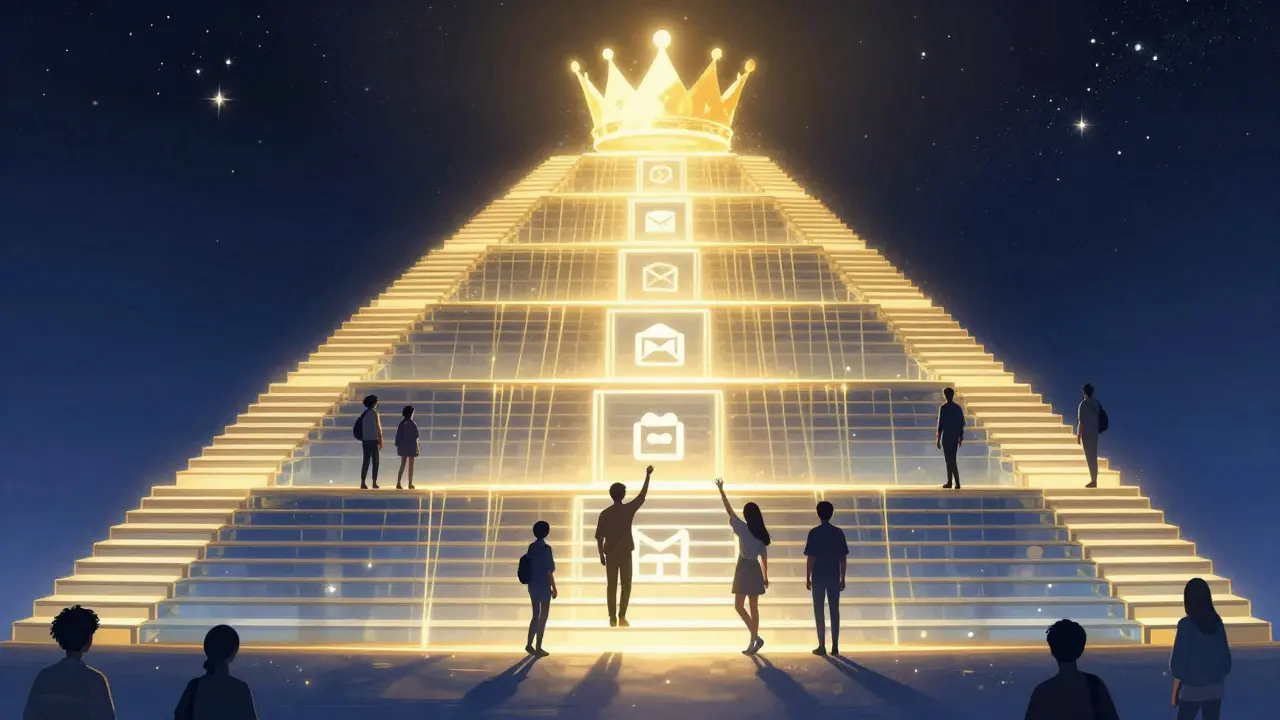
A flat approach where everyone buys at once rarely works well. Instead, think of your sales process as a ladder. Each rung represents a different tier of fan engagement. At the top, you have your superfans-the people who buy every record, attend every show, and wear your band t-shirts daily. Give them the first shot. Next come your newsletter subscribers, followed by radio partners or venue-specific lists. Finally, you open the floodgates to the general public. This structure ensures that your most dedicated fans get the best seats and the best prices, reinforcing their value to you.
| Tier | Audience Segment | Access Method | Typical Duration |
|---|---|---|---|
| Superfan Code | Top 5% of buyers | Unique personal code | 48 hours |
| Email List | Newsletter subscribers | Link in email footer | 72 hours |
| Partner/Radio | Media affiliates | Specific promo code | 5 days |
| General Public | Everyone else | Public website link | Until sold out |
This tiered system also helps you gauge demand. If the superfan presale sells out in two hours, you know you need to add more inventory or adjust pricing for the next leg. If it sits stagnant, you might need to rethink your route or venue choices. Data from each stage informs the next, creating a feedback loop that refines your entire campaign.
Leveraging Social Proof
People trust other people more than they trust brands. When one fan tweets, "Just got my tickets for Portland! Can't wait," it’s worth ten times more than your own promotional graphic. Encourage this organic sharing. Create hashtags specific to the tour. Design shareable graphics that include the tour dates and a prompt like "Tag your concert buddy." Make it easy for fans to broadcast their excitement. The more you see others talking about the tour, the more real it feels to those still on the fence. This social proof acts as a silent endorsement, reducing hesitation among potential buyers who might be unsure if the show is worth attending.
Don’t forget the power of user-generated content. Repost stories, photos, and videos from fans who have announced their plans. This creates a sense of community and momentum. It shows that the tour is happening, that people are excited, and that missing out would be a genuine loss. This collective energy is what sustains interest between the announcement and the actual show dates.
Common Pitfalls to Avoid
Even seasoned marketers make mistakes. One of the biggest is announcing too late. If you wait until the last minute, you lose the presale advantage entirely. Fans can’t plan their lives around a surprise. Another common error is ignoring mobile optimization. Most ticket purchases happen on phones. If your landing page loads slowly or looks broken on a small screen, you’ll lose sales instantly. Test everything on multiple devices before launch. Also, avoid overcomplicating the purchase process. Every extra click is a chance for someone to give up. Keep the path from "I want this" to "Payment Confirmed" as short as possible.
Finally, don’t neglect the logistics. Ensure your ticketing platform can handle the surge. Have customer support ready to answer questions about refunds, seat maps, and entry requirements. A smooth technical experience protects your reputation. If the site crashes during the presale, the frustration sticks with fans long after the show ends. Preparation is the unglamorous but essential backbone of a great announcement.
Measuring Success
How do you know if your strategy worked? Look beyond just ticket sales. Track email open rates during the teaser phase. Monitor social media sentiment-are people excited or confused? Measure conversion rates from your landing page. Did the presale sell out faster than expected? These metrics tell you what resonated and what didn’t. Use this data to refine your approach for future tours. Maybe the teaser video performed better than the static image. Maybe the Wednesday timing outperformed Tuesday. Collect these insights, and you’ll build a playbook that gets stronger with every cycle. Success isn’t just about filling seats; it’s about understanding your audience deeply enough to predict their behavior and meet them exactly where they are.
What is the best day to announce tour dates?
Tuesday or Wednesday at 10 AM or 10 PM local time is generally considered optimal. These slots avoid weekend clutter and Monday morning fatigue, allowing fans ample time to plan while keeping the news fresh in their minds.
How long should a presale last?
Presales typically range from 48 hours to five days depending on the tier. Superfan codes are often shorter (48 hours) to create urgency, while partner presales may last longer to accommodate different time zones and audiences.
Why is mobile optimization critical for ticket sales?
The majority of ticket purchases occur on mobile devices. A slow or broken mobile experience leads to high abandonment rates. Ensuring fast load times and intuitive navigation on phones directly impacts conversion and revenue.
How can I encourage fans to share the announcement?
Create easily shareable assets like branded graphics with tour dates and prompts to tag friends. Use specific hashtags and repost user-generated content to amplify reach and build community momentum.
What metrics should I track to evaluate the campaign?
Track email open rates, social media engagement, landing page conversion rates, and presale sell-out times. These indicators help identify which elements resonate with your audience and inform future strategies.