Most blues tracks fail not because the guitar is bad, but because the keyboard sounds thin. You play a nice chord progression, hit record, and listen back to find a hollow, unconvincing sound in the mix. The fix isn't just playing better; it's about how you stack your instruments. This guide breaks down the specific techniques for layering Piano is an acoustic or digital instrument that provides harmonic foundation and rhythmic drive in blues music. Also known as Grand Piano, it offers bright attack and dynamic range essential for solo lines and comping., Fender Rhodes is an electric piano with tines instead of strings, producing a warm, bell-like tone ideal for soulful blues. First popularized in the late 1950s, it adds mid-range warmth without clashing with acoustic guitars., and Hammond Organ is a tonewheel organ that generates rich, sustained chords through rotating metal wheels. It provides the low-end body and atmospheric texture that anchors a blues track. to create a full, professional-sounding bed for your vocals and leads.
Why Single Keyboards Fall Short in Blues
Blues relies on emotional weight. A single instrument often lacks the frequency coverage to carry that weight alone. An acoustic piano might cut through the mix, but it can lack the sustain needed for long, bending notes. A Rhodes might be smooth, but it can get lost under a distorted guitar amp. When you layer these three, you cover the entire audible spectrum from 40Hz to 10kHz. This creates a 'wall of sound' that feels expensive and polished, even if recorded in a home studio.
The key is not to make them compete. If all three are fighting for the same frequencies, the mix gets muddy. Instead, assign each instrument a specific role. Think of the piano as the skeleton, the Rhodes as the flesh, and the organ as the breathing. Each part supports the others without stepping on their toes.
Step-by-Step Layering Process
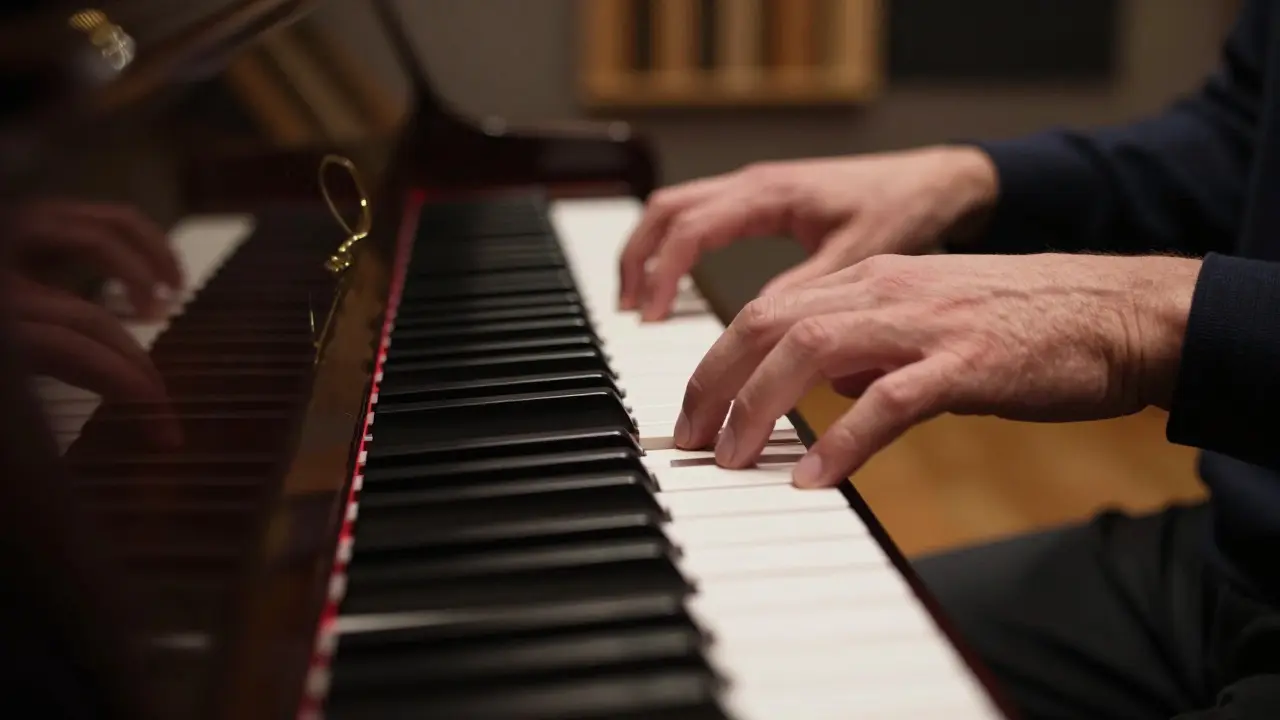
- Start with the Piano Foundation. Record your main chord progression using an upright or grand piano. Keep the velocity moderate (around 70-80) to avoid harsh transients. Focus on rhythm. In blues, the piano often plays the 'shuffles' or syncopated off-beats. Ensure this track sits solidly in the center of the stereo field initially.
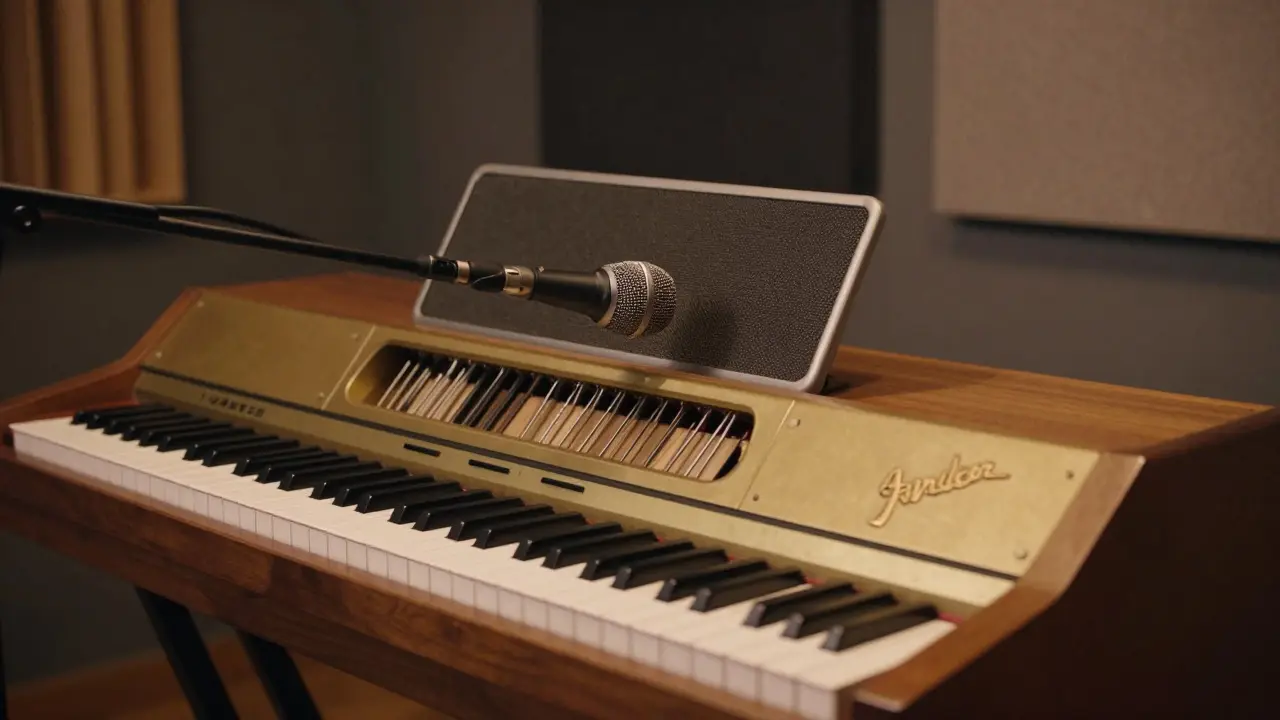
- Add the Rhodes Warmth. Bring in the Fender Rhodes. Do not copy the piano parts exactly. Instead, play simpler, blocky chords or slow arpeggios. Use the 'Damp' pedal to keep the sustain tight. The goal here is to fill the gap between the bass guitar and the lead guitar. Keep the volume lower than the piano-about -3dB to -6dB relative to the piano track.
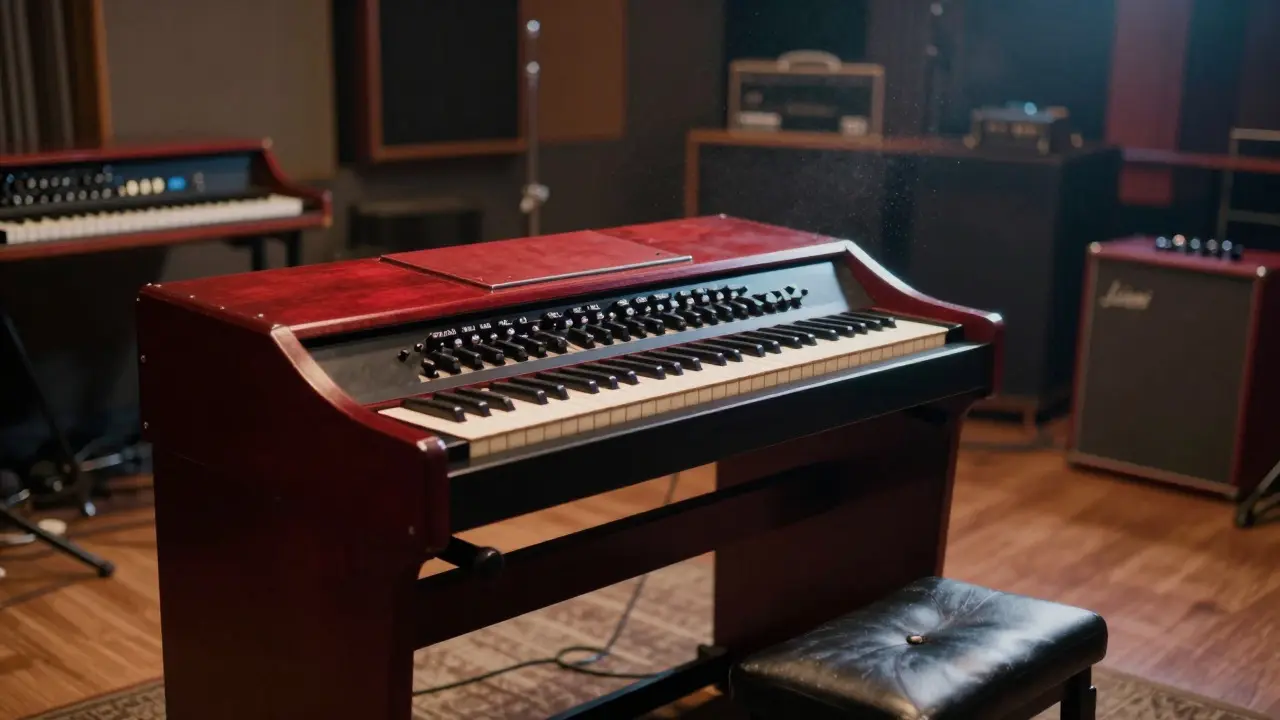
- Introduce the Organ Body. Finally, add the Hammond organ. Use the Leslie speaker effect (rotating speaker) for movement. Play the root notes and fifths rather than complex chords. The organ should breathe underneath the other two. It adds the low-mid frequencies that glue the mix together. Pan it slightly left or right to create width, leaving the center clear for vocals.
Tone Shaping and EQ Strategies
Once you have your three tracks, you need to carve out space for each. This is where Equalization (EQ) becomes critical. Without proper EQ, your mix will sound boxy and indistinct.
| Instrument | Cut Below (Low Cut) | Boost Range | Role in Mix |
|---|---|---|---|
| Piano | 120 Hz | 3 kHz - 5 kHz (Clarity) | Rhythmic Drive |
| Fender Rhodes | 150 Hz | 800 Hz - 1.2 kHz (Warmth) | Mid-Range Fill |
| Hammond Organ | 80 Hz | 200 Hz - 400 Hz (Body) | Foundation/Sustain |
Notice how we cut the lows on the piano and Rhodes. This prevents them from clashing with the bass guitar. The organ keeps its low end because it needs to provide that foundational thump. The piano gets a high-frequency boost to ensure it cuts through the guitar distortion. The Rhodes stays in the mid-range to add sweetness without being piercing.
Common Mistakes to Avoid
Many producers make the mistake of panning all keyboards to the center. This crowds the vocal space. Try panning the piano slightly left, the Rhodes slightly right, and keeping the organ wide or centered depending on the song's dynamics. Another common error is over-compressing the piano. Blues piano needs dynamic contrast. Let the quiet verses stay quiet and the choruses swell. If you squash the dynamics, you lose the emotional impact.
Also, watch out for phase cancellation. If you are using multiple microphones on the piano or organ, check the polarity. If the low end disappears when you solo two tracks together, flip the phase button on one channel. This simple fix can instantly clarify your mix.
Digital Alternatives and Sampling Tips
You don't always need physical instruments. High-quality virtual instruments can achieve similar results. For the piano, look for samples that include room reverb and natural decay. For the Rhodes, use plugins that simulate the tine mechanism accurately. The Hammond organ requires a plugin that models the drawbars and the Leslie rotation speed. When using samples, automate the expression parameter to mimic human touch. Static MIDI notes sound robotic; slight velocity variations and timing drift make them feel alive.
If you are mixing in a DAW like Pro Tools or Logic Pro, group your keyboard tracks into a bus. Apply a gentle compressor (ratio 2:1) to the bus to glue the layers together. Add a subtle chorus to the Rhodes to widen the stereo image. This technique helps the keyboards sit behind the lead guitar without disappearing.
Practical Workflow for Home Studios
In a small room, acoustics can be tricky. Place your piano against a wall if possible to reduce reflections. Use a large-diaphragm condenser microphone for the piano, placed about 1 meter away. For the Rhodes, a dynamic microphone like an SM57 works well close to the grille. For the organ, record direct out if using a digital model, or use a stereo pair if capturing a real Leslie cabinet. Always record a click track to keep the tempo steady, as blues shuffles can drift easily.
Finally, listen to your mix on different speakers. Check how the layers hold up on laptop speakers and car systems. If the piano dominates on small speakers, lower its level. If the organ is missing, boost the low-mids. The goal is balance across all playback systems.
Can I use only two of the three instruments?
Yes. Piano and Organ is a classic combo for a fuller sound. Piano and Rhodes gives a smoother, more modern feel. Just adjust the EQ to compensate for the missing frequency range. If you drop the organ, boost the low-mids on the Rhodes slightly to maintain body.
What is the best panning strategy for these layers?
A standard approach is to pan the Piano 10% Left, the Rhodes 10% Right, and the Organ Wide (30% Left/Right) or Center. This creates a triangular shape in the stereo field, leaving the dead center open for vocals and lead guitar.
How do I prevent the Rhodes from sounding too metallic?
Reduce the high frequencies above 4kHz using a high-shelf EQ. The Rhodes has a natural brightness that can become harsh when layered. Also, use the 'Tine' control in your plugin or hardware to soften the attack. Adding a bit of saturation can also help blend the tones.
Should I quantize the keyboard parts?
Generally, no. Blues thrives on human timing. Slight swing and rubato add character. However, if you are using MIDI, set your swing setting to around 55-60% to emulate the shuffle feel. Avoid strict grid quantization unless you want a very rigid, electronic sound.
Which instrument should be the loudest?
It depends on the song section. In verses, the Piano is usually the loudest to drive the rhythm. In choruses, the Organ can swell to support the vocals. The Rhodes typically remains the quietest, acting as a textural glue rather than a lead element.