Imagine landing a booking agent's inbox with a link that opens instantly, looks professional, and tells your entire story in under thirty seconds. That is the power of a well-crafted Electronic Press Kit, or EPK. In 2026, the days of emailing zipped PDFs are long gone. Booking agents, label scouts, and media buyers expect a sleek, interactive web page. But building one from scratch can eat up hours you should be spending writing songs or rehearsing. This is where specialized EPK and press kit builder services come in.
These platforms handle the heavy lifting of design, hosting, and analytics, allowing you to focus on your art. Whether you are an indie band trying to break into local radio or a solo artist pitching to sync licensing agencies, having a polished digital presence is no longer optional-it is the standard. Let’s look at how these tools work, what they cost, and how to choose the right one for your specific goals.
What Exactly Is an EPK Builder Service?
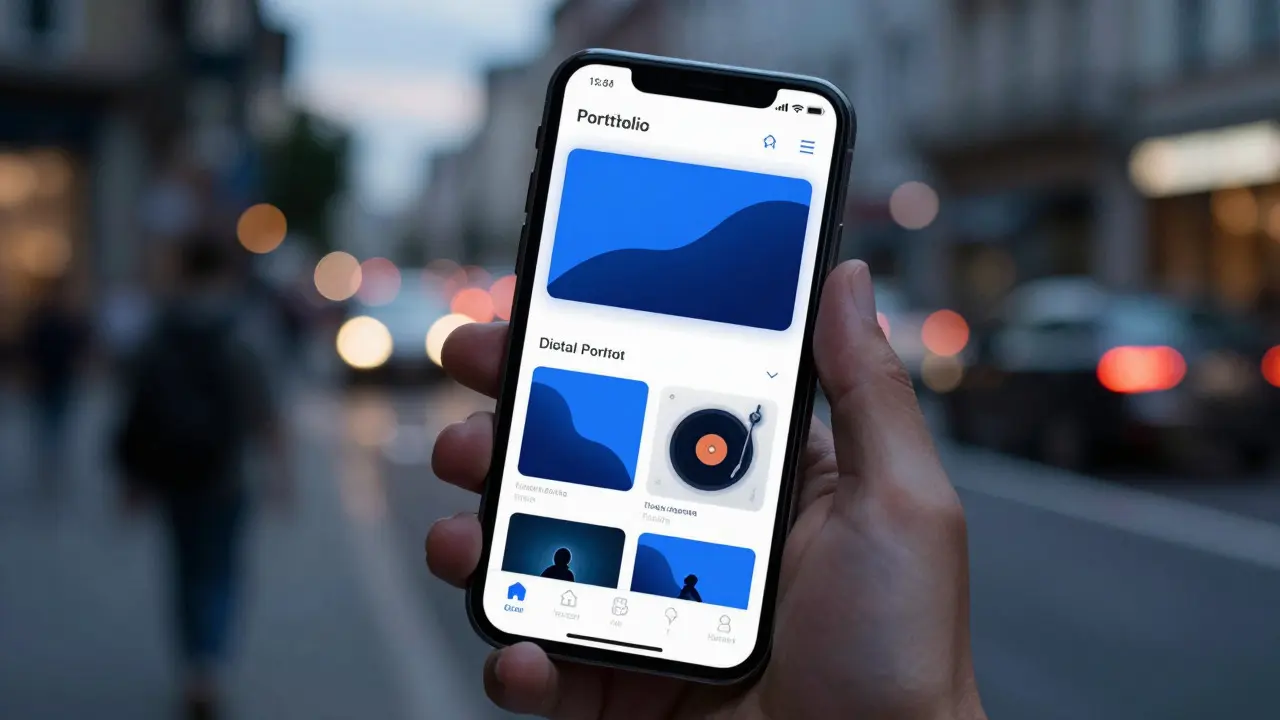
An EPK Builder is a software platform that allows musicians and creatives to create, host, and manage their professional online portfolio without coding knowledge. Unlike a generic website builder like WordPress or Wix, these tools are tailored specifically for the entertainment industry. They include pre-designed templates optimized for mobile viewing, which is crucial because most booking agents view links on their phones during commute or between meetings.
The core function is simple: you upload your assets-photos, audio snippets, video clips, and bio text-and the service arranges them into a cohesive, branded experience. The "service" part often extends beyond just the software. Many providers offer managed hosting, meaning they ensure your link never breaks, and some even provide concierge-style support where a human helps you curate the content. This distinction matters because a broken link or pixelated photo can ruin a pitch before the agent even hears your song.
Why You Need a Digital Press Kit in 2026
The landscape of music promotion has shifted dramatically. Physical CDs and printed binders are relics. Today, speed is everything. When a journalist asks for background info on your upcoming album, they want it now. A static PDF requires downloading, opening, and scrolling through dense text. An interactive EPK loads in seconds, lets them listen to a track immediately, and provides clickable links to your social media profiles.
Consider the workflow of a typical A&R scout. They might review twenty new artists in a single afternoon. If your kit takes too long to load or looks cluttered, you get skipped. If it is clean, fast, and highlights your best work upfront, you stay in the conversation. According to recent industry surveys, over 85% of major label executives prefer digital kits over traditional documents. This isn't just about convenience; it is about data. Modern builders track who views your kit, how long they stay, and which tracks they play. That insight is gold for understanding your market appeal.
Key Features to Look For in a Builder
Not all builders are created equal. Some are basic drag-and-drop interfaces, while others offer deep integration with streaming platforms. Here is what separates a good tool from a great one:
- Streaming Integration: Does it pull audio directly from Spotify, Apple Music, or SoundCloud? Native embedding ensures high-quality playback without relying on third-party players that might fail.
- Mobile Optimization: Test the preview on your phone. If images stretch or text becomes unreadable, the template is poor quality. Responsive design is non-negotiable.
- Analytics Dashboard: You need to know if your efforts are paying off. Look for metrics like unique visitors, average session duration, and top traffic sources.
- Custom Domain Support: Can you connect your own domain (e.g., yourband.com/epk) instead of a subdomain (e.g., yourband.epkservice.com)? Custom domains look more professional and help with SEO.
- Content Updates: How easy is it to swap out a photo or update your tour dates? If updating a single image requires rebuilding the whole page, you will abandon the tool quickly.
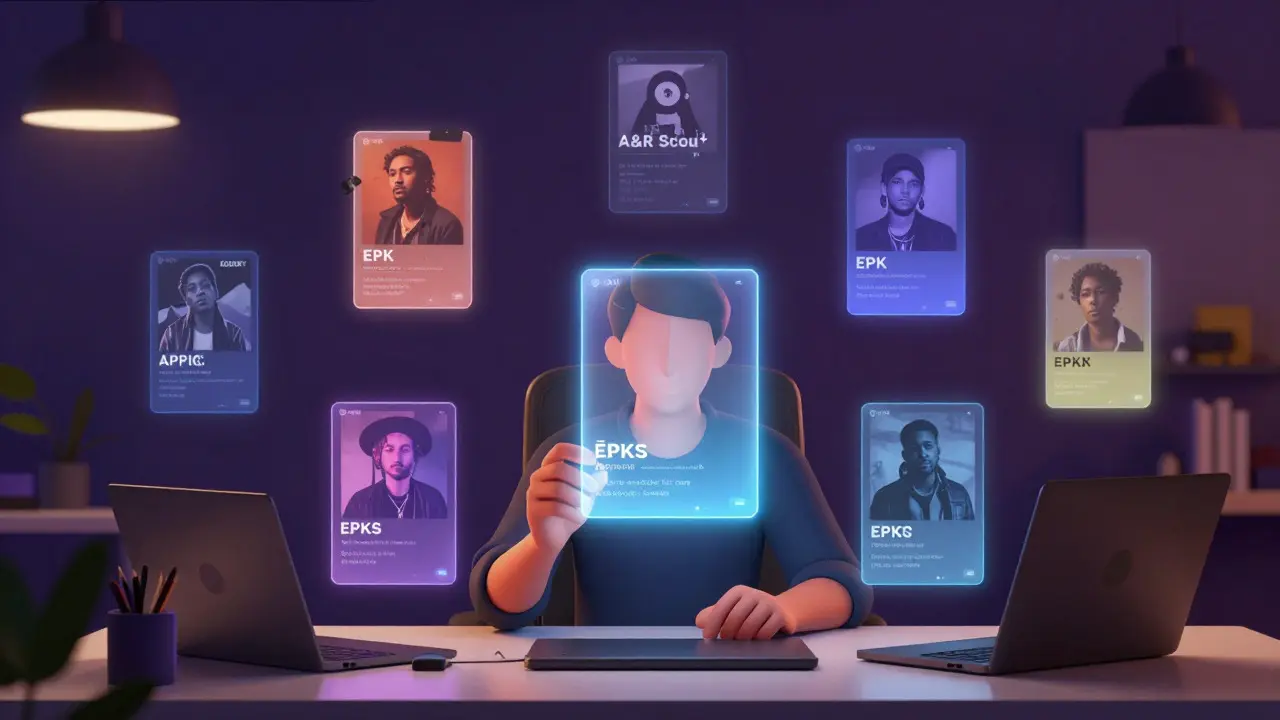
Comparison of Popular EPK Builder Services
Choosing the right provider depends on your budget and technical comfort level. Below is a breakdown of three distinct approaches to building your kit.
| Feature | DIY Website Builders (Wix/Squarespace) | Dedicated EPK Platforms (Bandzoogle/Presskit) | Managed Agency Services |
|---|---|---|---|
| Cost Range | $10 - $30/month | $5 - $20/month | $500 - $2,000+ one-time |
| Learning Curve | Moderate to High | Low | None (Done for you) |
| Industry Specificity | Generic | High (Music focused) | Very High |
| Hosting Reliability | User Managed | Included & Optimized | Included & Monitored |
| Best For | Artists with strong web skills | Indie bands & Solo artists | Established acts & Labels |
For most independent artists, dedicated EPK platforms hit the sweet spot. They are affordable, require zero technical skill, and look exactly like what industry professionals expect. DIY builders give you more freedom but often lack the specific layout structures that make a press kit effective. Managed services are excellent if you have the budget, as they often include copywriting and photo editing, but they are overkill for early-stage artists.
Step-by-Step: Building Your Kit
Once you have chosen a platform, the process follows a logical flow. Here is how to execute it efficiently:
- Curate Your Content: Do not throw everything in. Select your top three tracks, two high-resolution photos (one headshot, one action shot), and a concise bio (under 300 words). Quality beats quantity.
- Choose a Template: Pick a design that matches your genre. Dark, minimalist templates work well for rock and electronic; bright, clean layouts suit pop and folk. Stick to two colors maximum.
- Upload Assets: Use high-res JPEGs for photos (at least 2000px wide) and MP3s or direct streaming links for audio. Avoid low-quality screenshots from YouTube.
- Add Contact Info: Include a clear email address for bookings and management. Make sure it is monitored daily. A missed email is a lost opportunity.
- Test Everywhere: Open the link on your phone, tablet, and desktop. Check that audio plays automatically (or with one click) and that buttons lead to the correct pages.
- Publish and Share: Generate your unique URL. Add it to your email signature, social media bios, and any physical merchandise you sell.
Common Mistakes to Avoid
Even with a good tool, execution can go wrong. Watch out for these pitfalls:
- Outdated Information: Nothing kills credibility faster than listing a tour date that passed six months ago. Set a calendar reminder to review your kit every quarter.
- Too Much Text: Agents skim. Use bullet points for achievements and keep paragraphs short. If they need more detail, let them ask.
- Ignoring Mobile: As mentioned, most views happen on mobile. If your font is too small or images take too long to load, you lose the viewer.
- Lacking a Call to Action: What do you want them to do? Listen to the full album? Book a show? Make the next step obvious.
How to Maximize Your EPK's Impact
Your EPK is not a static document; it is a living asset. To get the most out of it, integrate it into your broader marketing strategy. When you announce a new single, update your EPK first so the link is ready when you hit "post." Use the analytics data to see which cities generate the most traffic, then target those areas for live shows. If a particular track gets played frequently in your kit, consider making it the lead single for your next release.
Also, leverage the "shareability" of these links. Encourage fans to share your EPK link with friends who might enjoy your music. Some platforms allow you to create personalized links for influencers or bloggers, tracking exactly who shares your content and how many people click through. This turns your audience into a distribution network.
Do I need a website if I have an EPK?
Not necessarily. For many indie artists, the EPK serves as both the portfolio and the contact hub. However, if you sell merchandise or offer extensive news/blog content, a separate website adds value. You can always link from your EPK to your main site for deeper dives.
How much does it cost to hire someone to build my EPK?
Freelance designers typically charge between $300 and $800 for a custom EPK design using a platform like Bandzoogle or Presskit. Full-service agencies that include photography and copywriting may charge $1,500 or more. For most starting artists, a $10/month subscription to a DIY builder is the most cost-effective route.
Can I use the same EPK for different genres or projects?
Yes, most platforms allow you to create multiple pages or sections within one account. You can have a main page for your primary project and separate tabs for side projects or collaborations. This keeps your branding consistent while showcasing your range.
What file formats should I use for photos and audio?
For photos, use high-resolution JPEG files (minimum 2000x2000 pixels) to ensure they look sharp on retina displays. For audio, use MP3s at 320kbps or, better yet, embed direct streams from Spotify or Apple Music to avoid large download times.