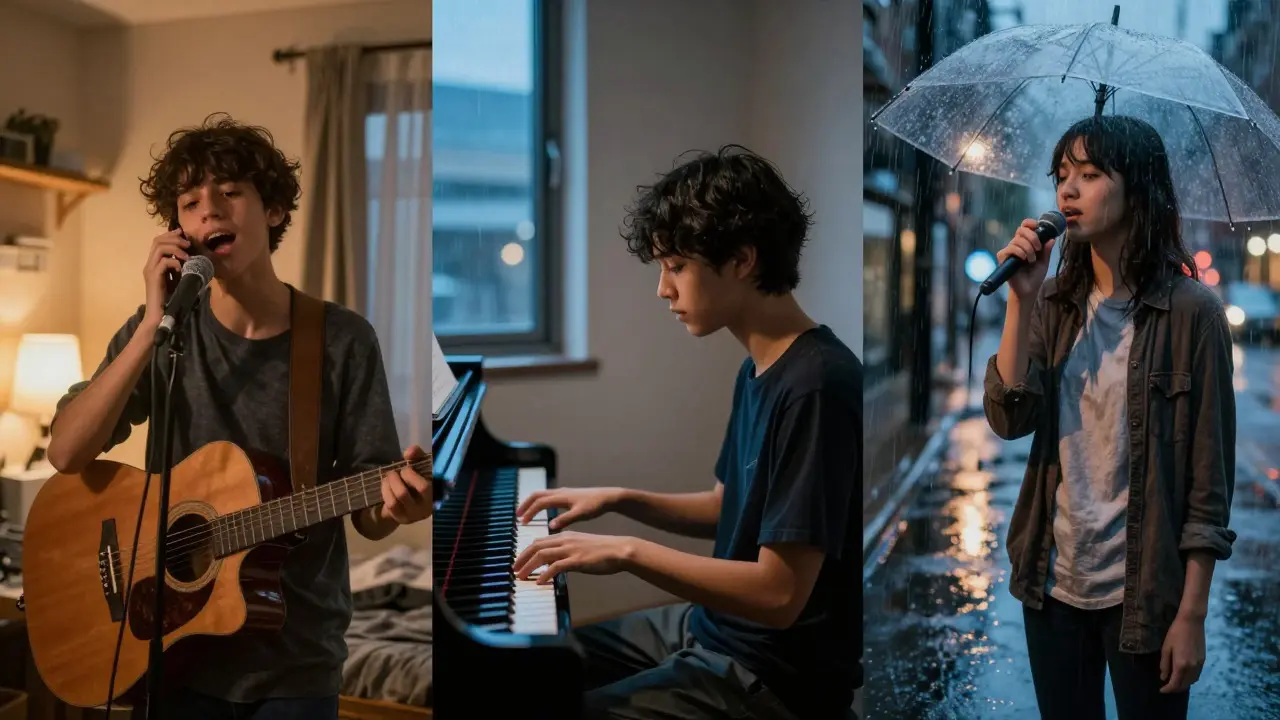
Imagine this: you release a new single, and within 48 hours, a teenager in Brazil is recording a raw, acoustic version of your chorus in their bedroom. A college student in Tokyo adds a jazz piano intro. A fan in London creates a lyric video using only their voice and rain sounds. These aren't just nice gestures; they are fan cover videos, the most potent organic marketing tool in modern music.
For artists, these clips do more than fill your social media feed. They extend the lifespan of your music, introduce your work to new demographics, and create a sense of ownership among your audience. But how do you turn casual listening into active creation? And how do you manage the flood of content without losing control of your brand?
Why Fan Covers Outperform Traditional Ads
Traditional advertising tells people what to think about your music. Fan covers show them how it feels to be part of your world. This distinction matters because trust drives action. When a listener sees another real person singing their favorite track, the barrier to entry drops significantly. It becomes less about "buying" an experience and more about joining a community.
The economics here are straightforward. User-generated content (UGC) typically costs nothing but time, yet it generates higher conversion rates than polished studio ads. Why? Because authenticity wins. A shaky phone video with genuine emotion often outperforms a high-budget commercial because it feels relatable. Your fans become your ambassadors, spreading your message through their personal networks, which carry far more weight than any algorithmic push.
| Channel | Cost per Reach | Trust Level | Longevity |
|---|---|---|---|
| Paid Social Ads | High ($5-$15 CPM) | Low | Short (days) |
| Influencer Partnerships | Medium ($$$) | Medium-High | Moderate (weeks) |
| Fan Cover Videos | Negligible (Time only) | Very High | Long (months/years) |
The Anatomy of a Viral Cover Challenge
Not every cover goes viral. Some get buried under the scroll. The difference usually lies in the structure of the challenge itself. You need to lower the technical barrier while raising the emotional stakes. If your song is complex or requires specific vocal range, you’re limiting your pool of creators. If it’s simple but catchy, you open the door to everyone.
Consider the mechanics. A successful cover campaign often includes three elements: a clear hook, a flexible format, and a visible reward. The hook is the part of the song that’s instantly recognizable. The flexible format allows fans to interpret the style-acoustic, rock, spoken word, even instrumental. The reward isn’t always money; sometimes it’s just being featured on your official channel or getting a shoutout in a live stream.
Take the example of Billie Eilish’s early career. She didn’t have a massive budget, but she had a distinct visual identity and a strong online presence. Fans created countless edits and covers that mirrored her aesthetic. Each clip reinforced her brand without her spending a dime on production. The key was consistency. The more fans saw their peers participating, the more likely they were to join in.
Building the Infrastructure for Participation
You can’t expect fans to find you if the path is unclear. Your digital footprint needs to signal openness. Start by creating a dedicated hashtag. Make it short, memorable, and unique to the release. For example, #MySongChallenge or #ArtistNameCovers. Pin this hashtag to all your social media posts during the campaign period.
Next, provide the tools. While you don’t need to hand out equipment, you can share stems (individual audio tracks) if you want to encourage remixes. Or, simply post a clean audio file with a note saying "Feel free to record over this." This small gesture removes friction. Fans often hesitate because they worry about copyright or technical issues. By explicitly inviting participation, you give them permission to create.
Don’t forget the legal side. Ensure your licensing terms allow for non-commercial use. Most standard distribution deals permit this, but it’s worth double-checking with your label or distributor. Clarity prevents disputes later. If a fan goes viral, you want to celebrate them, not sue them.
Curating and Amplifying Content
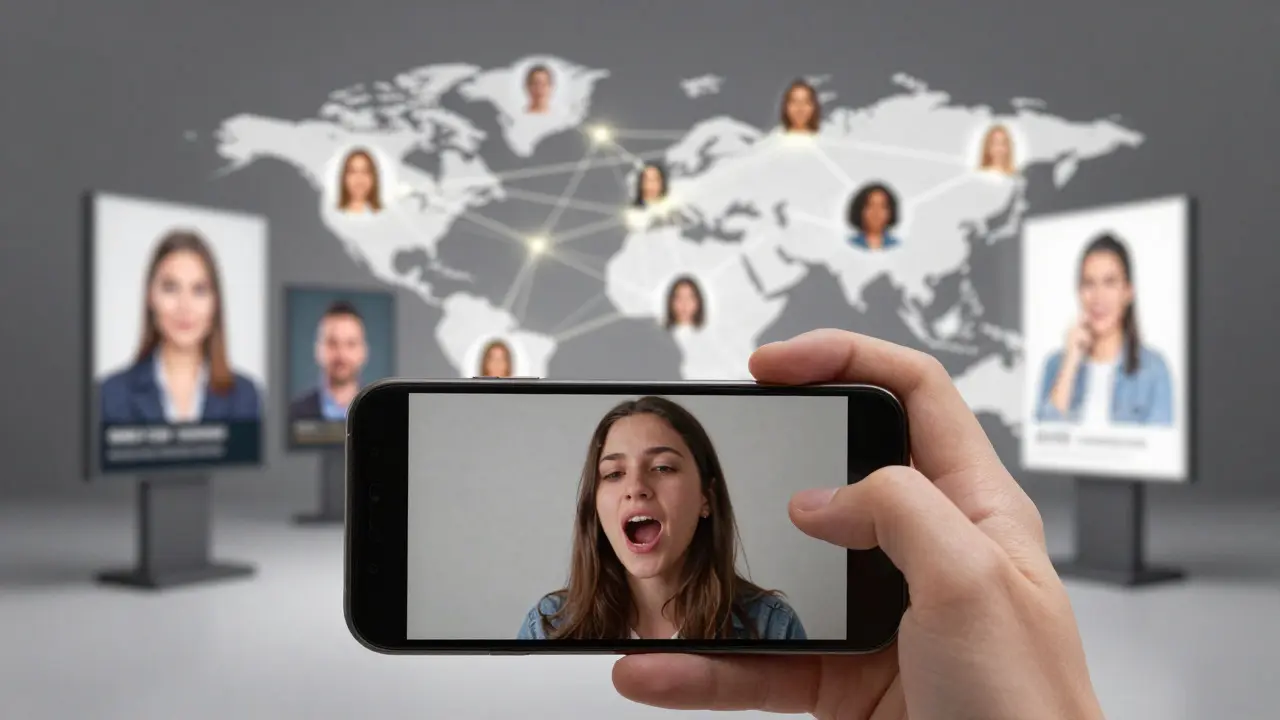
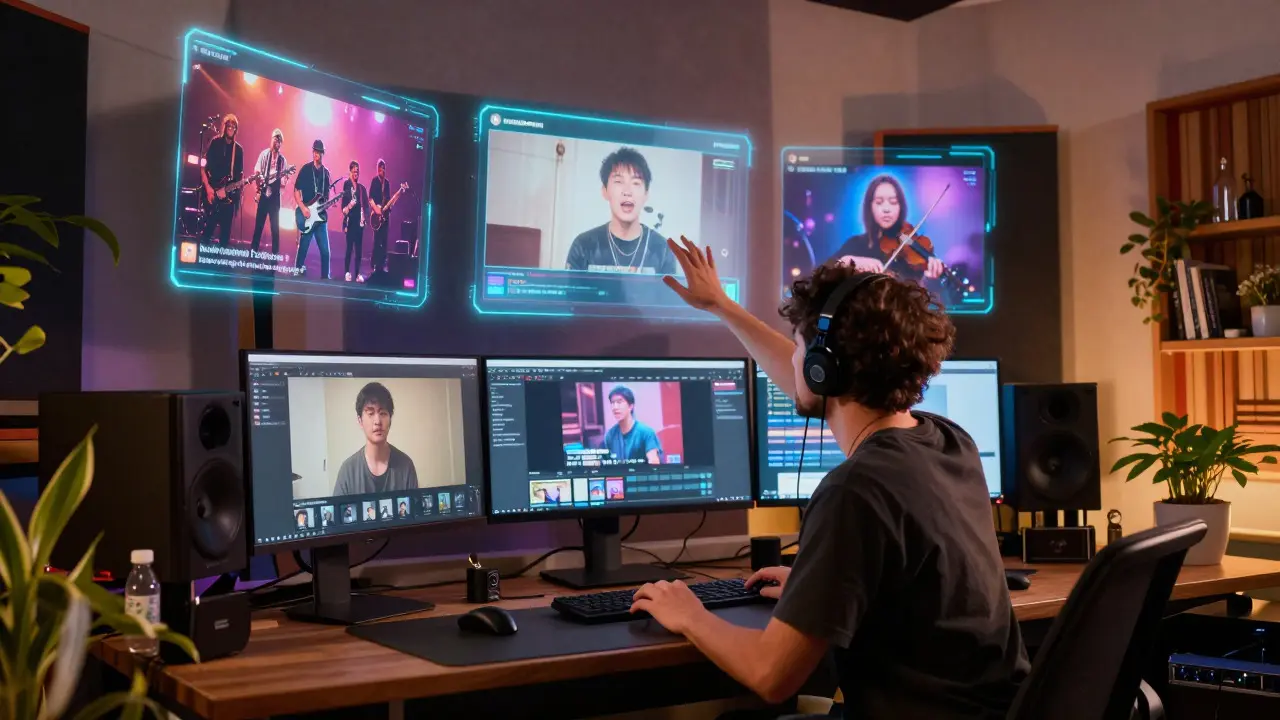
Once the covers start coming in, your job shifts from creator to curator. You need a system to identify the best clips quickly. Use social listening tools or simply dedicate 30 minutes a day to searching your hashtag. Look for variety rather than just quality. A perfect vocal performance is great, but a creative interpretation that surprises you is even better for sharing.
When you repost a fan’s video, credit them properly. Tag their handle, mention their name in the caption, and ask them for permission first if the platform doesn’t make it easy to contact them. This respect builds loyalty. Fans who feel seen are more likely to support your future projects, buy merch, or attend shows.
Create a weekly or bi-weekly playlist called "Fan Faves" or "Community Picks." This gives you a recurring reason to engage with your audience. It also provides a steady stream of fresh content for your channels without requiring you to produce new material constantly. The playlist itself becomes a product, something fans look forward to updating.
Measuring Success Beyond Views
Views are vanity metrics. They tell you how many people watched, but not how many cared. To truly measure the impact of your fan cover campaign, look at deeper indicators. Track the number of unique creators involved. Monitor the growth of your follower count during the campaign period. Analyze the sentiment in comments-are people excited, nostalgic, or critical?
Also, watch for cross-pollination. Did a fan from a different genre bring their followers to your page? Did a cover in a different language expand your reach internationally? These are signs that your music is transcending its original context. That’s the real win. You’re not just selling songs; you’re building a global community of interpreters.
If you’re struggling to get started, set a modest goal. Aim for ten quality covers in the first month. Don’t chase virality immediately. Focus on consistency and connection. As the volume grows, so will the quality and diversity of the content.
Common Pitfalls to Avoid
One major mistake is ignoring the feedback loop. If you post a cover and never respond to the creator, you send a message that their effort doesn’t matter. Even a simple heart or comment goes a long way. Another pitfall is being too prescriptive. If you dictate exactly how the cover should sound, you kill creativity. Let fans surprise you.
Finally, don’t let the campaign die after two weeks. Momentum is everything. Keep the energy going by introducing new challenges or themes each week. Maybe Week 1 is acoustic, Week 2 is duets, and Week 3 is instrumentals. This keeps the conversation fresh and encourages repeat participation.
Frequently Asked Questions
Do I need to pay fans for their covers?
Generally, no, unless you plan to use the cover for commercial purposes like an ad or merchandise. For social media reposts, a shoutout and feature is usually sufficient compensation. However, if you want to use a specific cover in a paid campaign, negotiate a fair fee.
How do I find the best fan covers to feature?
Use your dedicated hashtag to search across platforms like TikTok, Instagram, and YouTube. Look for videos with high engagement relative to the creator's size. Also, check for creativity and uniqueness rather than just technical perfection. Diversity in style makes your community feel inclusive.
What if a fan misinterprets my song?
Embrace it. Misinterpretation is often where the magic happens. It shows the song has multiple layers. Unless the cover is offensive or off-brand, consider featuring it. It sparks conversation and shows that your music is open to personal meaning.
How long should a cover campaign last?
There’s no fixed rule, but 4-6 weeks is a good baseline for a single release. After that, you can transition to a permanent playlist or ongoing series. Keeping the initial campaign tight helps maintain urgency and excitement.
Can I use fan covers in my own live streams?
Yes, with permission. Live-streaming a fan’s cover is a powerful way to connect. Ask the fan to join via link or screen-share their video. This creates a direct interaction that boosts viewer retention and demonstrates genuine appreciation for your community.