Hunting for a rare record isn't just about owning a piece of plastic; it's about the chase. If you're trying to track down Robert Hill vinyl and other physical releases, you already know that the standard "Add to Cart" button rarely appears for the good stuff. Most of Hill's most coveted works were released in tiny batches or through independent boutiques that vanished years ago. To build a complete collection, you have to move past the surface-level marketplaces and start digging into the corners of the music trade where the real treasures hide.
Quick Tips for the Hunt
- Set alerts on niche marketplaces for specific catalog numbers.
- Focus on regional Japanese and European imports; they often have unique pressings.
- Verify the matrix runout code to ensure you have an original first press, not a bootleg.
- Build relationships with independent record store owners who specialize in avant-garde sounds.
Understanding the Robert Hill Catalog
Before you spend five hundred dollars on a shimmering piece of wax, you need to know what you're actually looking for. Robert Hill is a multi-instrumentalist and composer known for blending atmospheric textures with traditional songwriting. His physical releases are split between official studio albums, limited-run EPs, and the dreaded "white label" promos.
The most sought-after items are usually the first pressings from the mid-2010s. These weren't mass-produced. Many were hand-numbered or released as part of a subscription box, meaning only a few hundred copies ever existed. If you find a copy of "Echoes of the Valley" with a handwritten signature on the inner sleeve, you're looking at a high-value asset. But be careful-there are plenty of unofficial reprints floating around that look real but sound like they were recorded through a tin can.
Where to Find Rare Pressings
You won't find these at big-box retailers. To get your hands on legitimate rarities, you need a strategy. Discogs is the world's largest crowdsourced database and marketplace for physical music, and it's your primary tool. However, the trick isn't just browsing the "For Sale" section. You need to use the "Wantlist" feature. When a seller lists a rare Robert Hill record, Discogs pings you immediately. In the world of high-end collecting, a five-minute delay can be the difference between getting a fair price and missing out entirely.
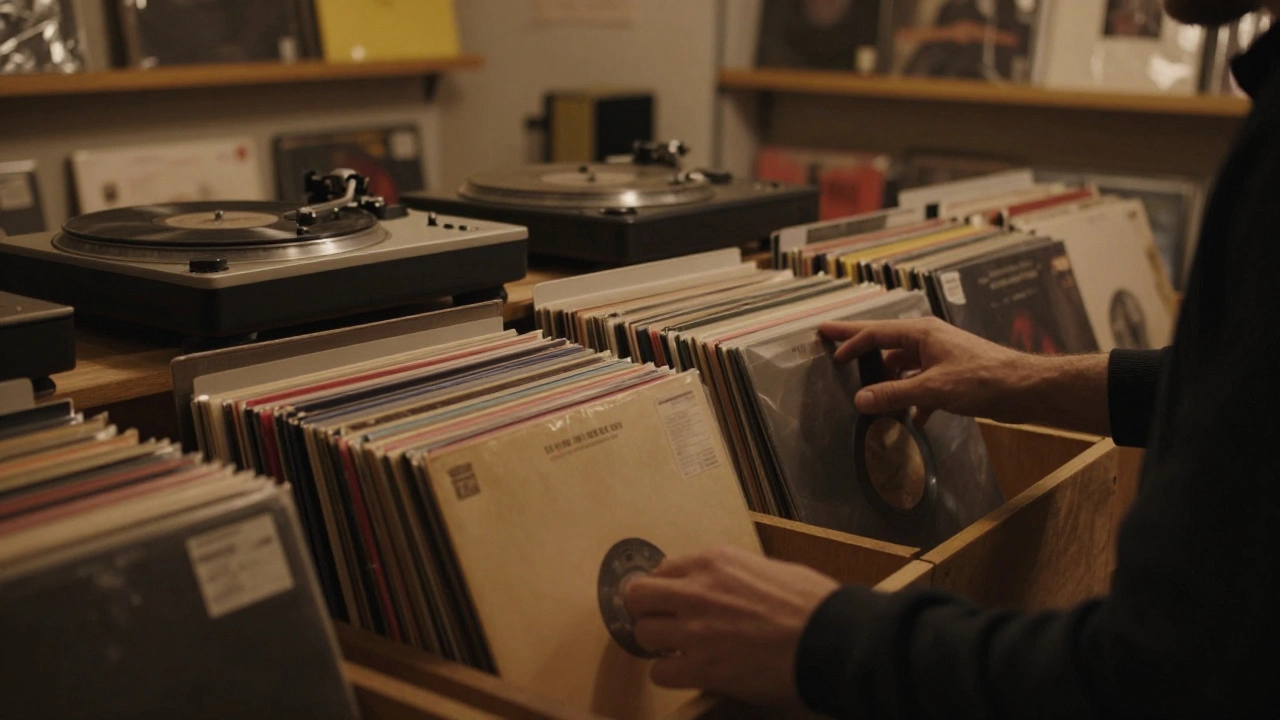
Beyond the digital space, the real gold is in the "crates." Visit independent record stores in cities with strong artistic communities. Often, a store owner might have a copy of a rare Hill release in the back that isn't on the shelf yet. These "under-the-counter" deals happen when you've proven yourself as a serious collector. Mention specific album credits or the engineer who worked on the record, and you'll find that owners are more likely to share their secret stock.
| Release Type | Rarity Level | Key Identifying Feature | Market Value |
|---|---|---|---|
| Standard Retail Vinyl | Common | Printed Barcode | $25 - $40 |
| Limited Edition Color Wax | High | Colored Disc / Numbered Label | $150 - $400 |
| White Label Promo | Very High | Plain White Center Label | $500+ |
| Bootleg/Unofficial | Common | Poor Print Quality / No Catalog # | $10 - $30 |
Spotting Fakes and Bootlegs
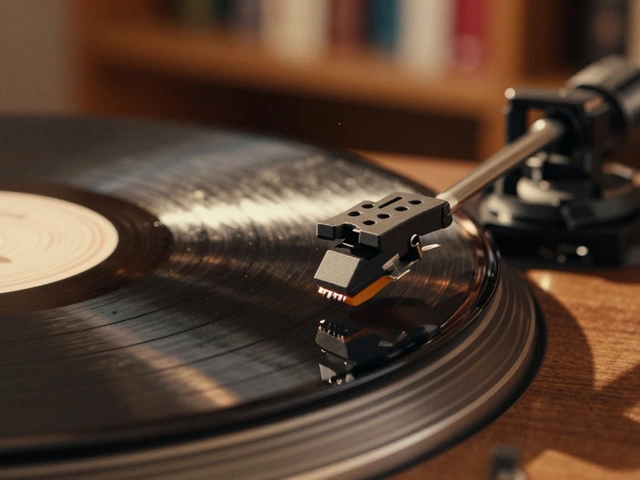
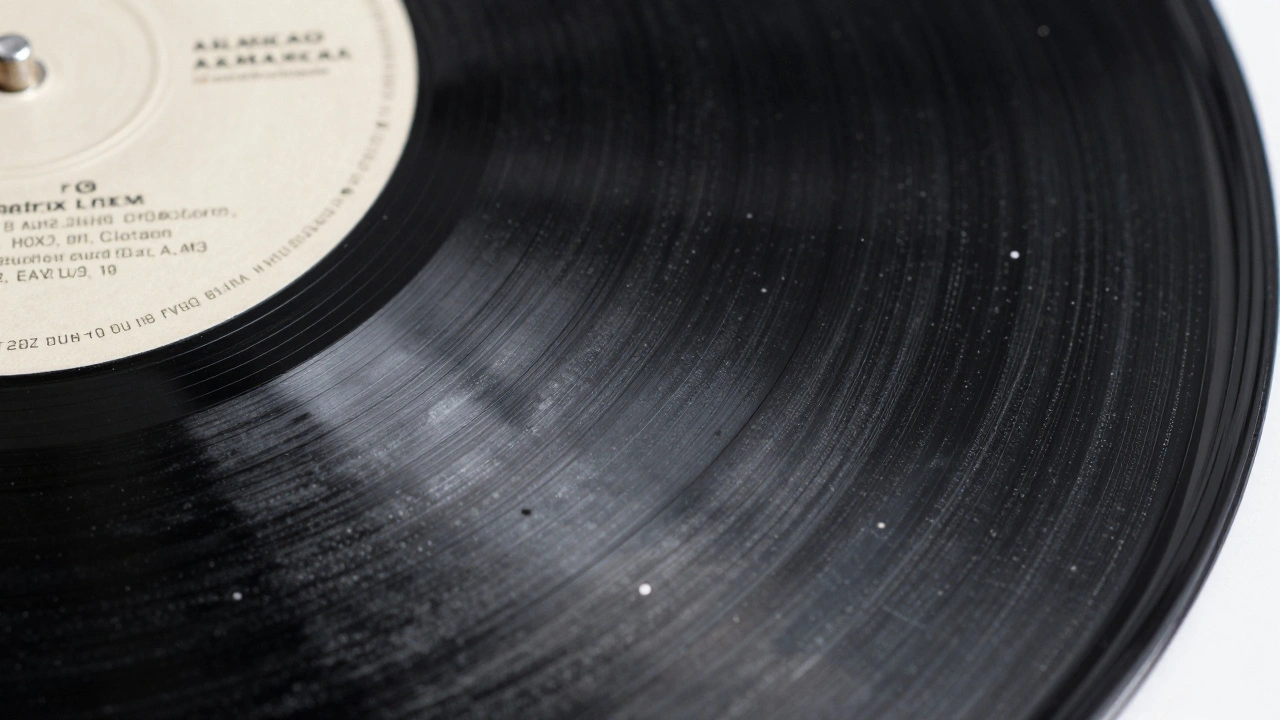
As the value of Robert Hill's work climbed, so did the number of counterfeiters. A common mistake beginners make is trusting the cover art. Modern printers can mimic a 2014 jacket almost perfectly. Instead, look at the Matrix Runout, which is the alphanumeric code etched into the wax near the center hole of the record. This code tells you exactly which pressing plant was used and which lacquer was cut.
If the matrix code doesn't match the official release data, it's a bootleg. Another red flag is the weight of the vinyl. Official Hill releases often used high-quality 180g wax. If the record feels flimsy or bends easily, it's likely a low-quality rip from a digital file. Always ask sellers for a clear photo of the runout groove before sending any money via non-refundable methods.
Preservation and Value Maintenance
Once you've spent a month's rent on a rare find, you can't just throw it on a shelf. The value of a physical release is tied directly to its condition. In the collecting world, we use the Goldmine Standard, which is a widely accepted grading system for the condition of vinyl records and their covers. A "Mint" (M) copy is worth significantly more than a "Very Good" (VG) copy.
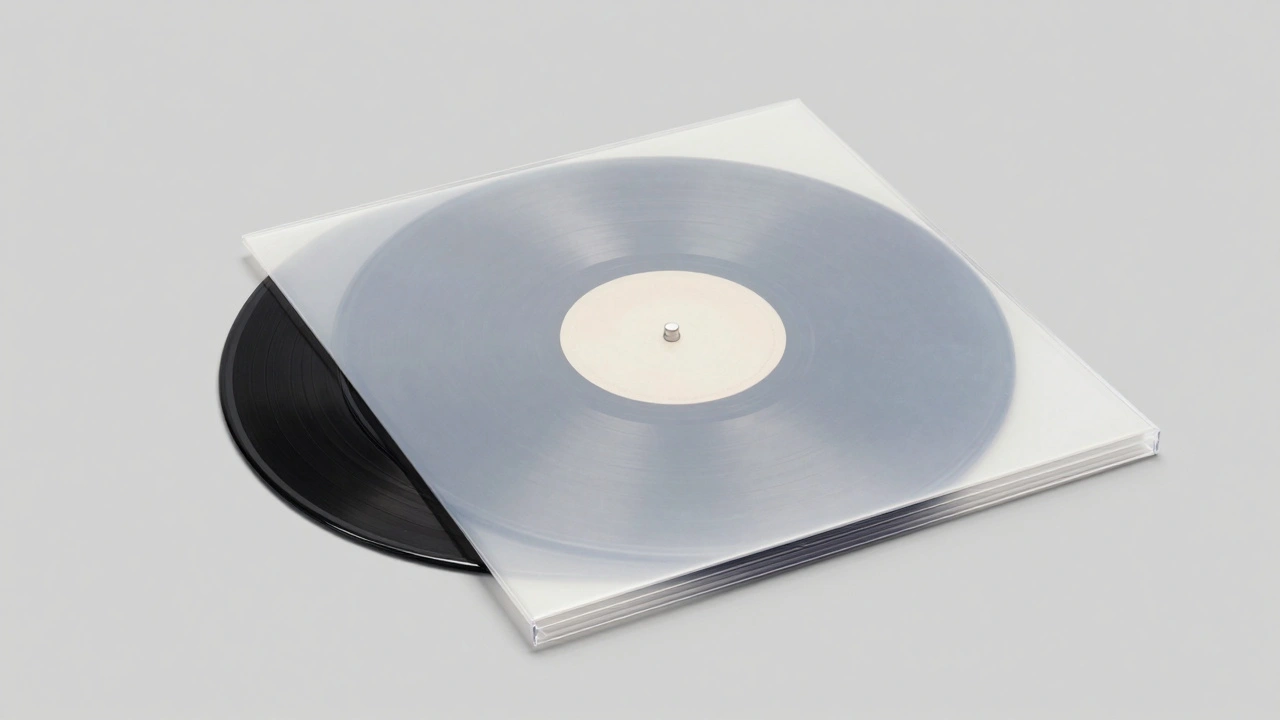
To keep your investment safe, ditch the paper inner sleeves that come with most records. Those scratch the surface every time you pull the disc out. Upgrade to anti-static poly-lined sleeves. Also, invest in a heavy-duty outer plastic sleeve to prevent "ring wear" on the jacket. If the cover gets a crease or a stain, the market value can drop by 30% instantly. It's a small investment that protects a large one.
Expanding Your Search to Other Media
While vinyl gets the most hype, don't ignore CDs and Cassettes. In the late 90s and early 2000s, many artists released limited CD singles that are now incredibly rare. Robert Hill's early demo tapes from the analog era are particularly prized by historians. These aren't just music; they are artifacts of his creative process.
Check sites like eBay, but use very specific search terms. Instead of searching "Robert Hill Music," search for the specific record label name or the year of the session. Sellers who don't know the value of what they have often list items with vague titles. That's where you find the "steals"-records priced at ten dollars that are actually worth hundreds because the seller didn't do their research.
How can I tell if a Robert Hill record is a first pressing?
Check the matrix runout code etched into the vinyl near the center hole. First pressings have specific codes that match the original mastering session. Compare these codes with documented entries on Discogs or collector forums to confirm the pressing date.
Are colored vinyl versions actually worth more?
Generally, yes, because they are produced in smaller quantities. However, some "audiophiles" prefer the standard black wax, believing it has slightly better sound quality. In terms of market value, a rare color variant almost always commands a higher price than the standard black version.
What is the best way to store rare records to prevent damage?
Store your records vertically in a sturdy shelf; never stack them on top of each other, as this can cause warping. Use anti-static inner sleeves to protect the grooves and high-quality outer plastic sleeves to prevent the cover from wearing down.
Should I buy Robert Hill releases from unofficial resellers?
It can be risky. Only buy from resellers who provide high-resolution photos of the record labels and the matrix runout. Avoid sellers who use stock photos or refuse to provide details about the record's provenance.
Do cassette tapes of Robert Hill have any value?
Yes, especially the early demo tapes. Because cassettes degrade over time and were produced in even smaller numbers than CDs, an original Hill tape in good condition is a significant find for any serious collector.
Next Steps for New Collectors
If you're just starting, don't try to buy everything at once. Start by identifying the one album or EP you love the most and focus on finding the best possible version of that single release. This prevents you from overspending on "filler" and helps you develop a keen eye for quality. Join collector communities on Reddit or specialized forums to stay updated on when new vintage stock hits the market. The more people you know in the scene, the more likely you are to get a lead on a rare find before it ever hits a public website.