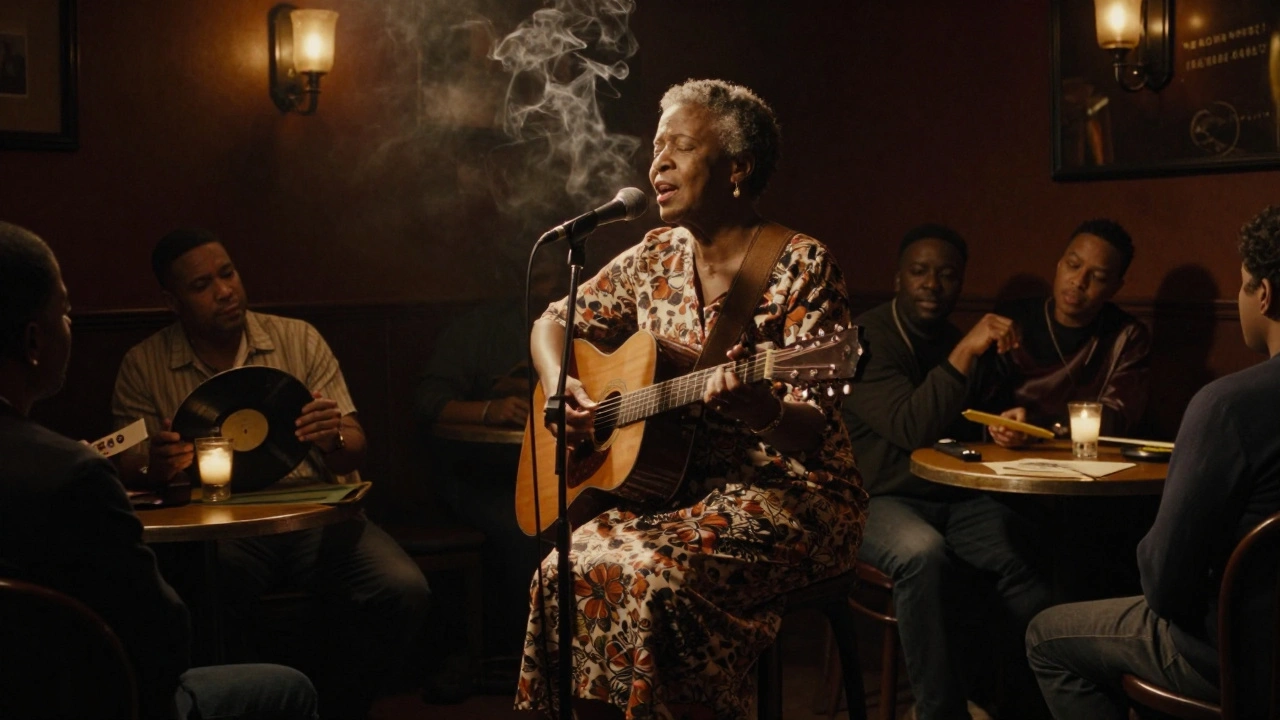
Blues music has always been about honesty - raw vocals, aching guitar lines, and stories that don’t sugarcoat life. But today, many independent blues artists are struggling to make ends meet, not because they aren’t good, but because streaming payouts don’t reflect the value of their work. If you’re a blues musician playing small clubs, recording in your basement, or releasing albums on Bandcamp, you need to understand exactly how much money you’re really making per stream - and what you can do about it.
How Much Do You Really Earn Per Stream?
Most independent blues artists assume streaming platforms like Spotify, Apple Music, or YouTube pay fairly. They’re wrong. The average payout per stream hovers between $0.003 and $0.005. That means if your song gets 100,000 plays, you’ll make roughly $300 to $500. After splits with producers, labels, or distributors, you might walk away with $150 - less than minimum wage for a full month of work.
Here’s the catch: blues music rarely goes viral. It doesn’t get picked up by TikTok trends or placed in Netflix shows. It doesn’t have the algorithmic push that pop or hip-hop gets. So while a single pop song might hit 10 million streams in a week, a blues track might creep up to 50,000 over six months. That’s not failure - it’s the reality of a niche genre.
Who’s Getting Paid and Who’s Not?
Streaming platforms pay based on a pro-rata model. That means all the money collected from subscriptions and ads gets pooled, then divided among artists based on their share of total streams. So if 1% of all streams on Spotify in a month were blues songs, blues artists would get 1% of the payout pool.
But here’s the problem: blues makes up less than 0.3% of global streams. Meanwhile, a handful of top 100 artists account for over 25% of all plays. That’s why a blues artist with 20,000 monthly listeners might earn $60 a month - while a pop artist with 10 million listeners makes $30,000.
Independent blues artists also rarely have publishing deals or sync licensing agents. That means they miss out on another major revenue stream: TV, film, and ad placements. A blues track in a Toyota commercial could earn $50,000 in one go - but only if someone pitches it. Most blues musicians don’t even know where to start.
Where the Money Actually Comes From
If streaming alone can’t pay the rent, what does? For independent blues artists, the real income comes from three places:
- Live shows - Even a small club gig paying $150 after expenses is worth more than 50,000 streams.
- Merchandise - A $20 vinyl record or T-shirt sold directly to a fan at a show has a 70% profit margin. Streaming pays 0.3% per play.
- Direct fan support - Platforms like Patreon, Bandcamp, or even Venmo let fans pay what they want. One artist in Mississippi makes $1,200 a month from 147 patrons giving $8 each. No middleman. No algorithm.
Many blues artists still rely on physical sales. A well-made CD or vinyl pressing sold at festivals or through their website can bring in $10-$15 per unit. That’s 2,000 to 3,000 times more per unit than a single stream.
Why Streaming Feels Like a Trap
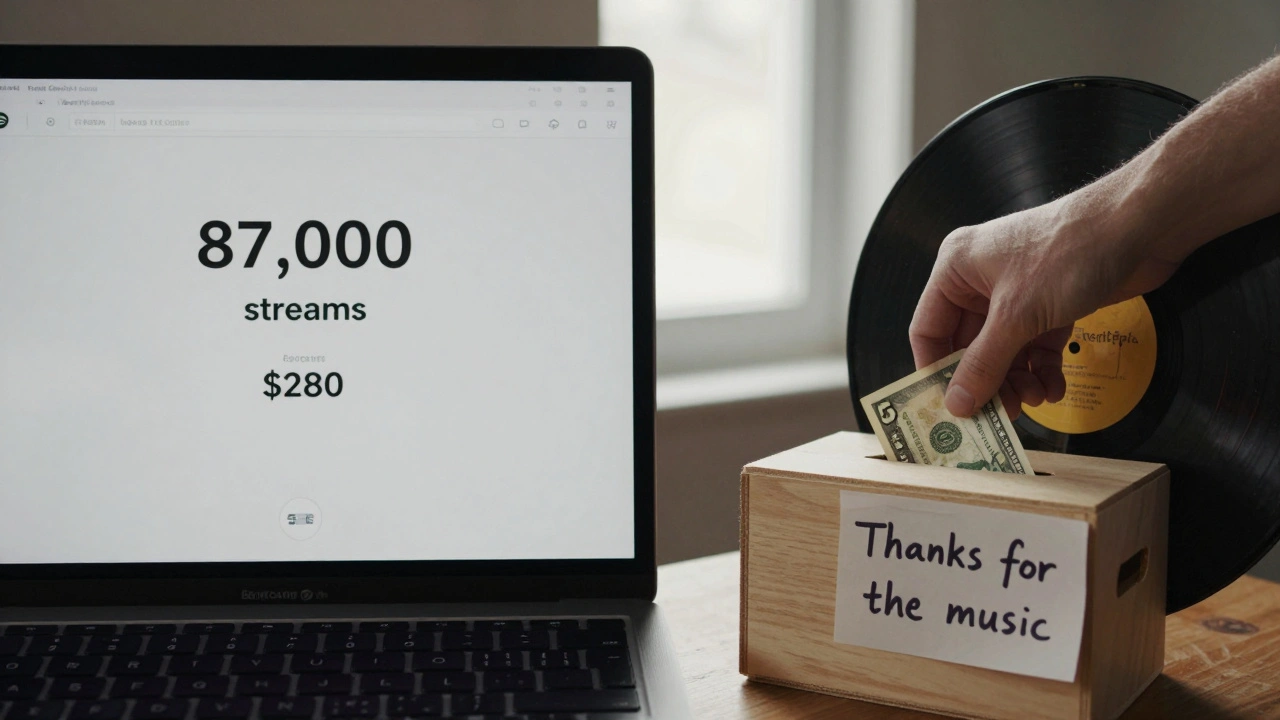
Streaming platforms market themselves as tools for discovery. And they are - for listeners. But for artists? They’re a trap. You upload your music. You wait. You check your dashboard. You see 12,000 streams in a year. You feel proud. Then you calculate: that’s $48. You spent 40 hours recording, mixing, designing artwork, promoting, and booking shows. That’s $1.20 an hour.
Worse, streaming encourages quantity over quality. To stay visible, artists are pressured to release singles every six weeks. But blues isn’t built for speed. It’s built for depth. A single album takes months to write, record, and perfect. And when you release one, it doesn’t get pushed. It disappears.
There’s no “Blues Discover Weekly” playlist on Spotify. No algorithm that says, “You liked B.B. King? Try this 72-year-old guitarist from Baton Rouge.” The system ignores the genre’s legacy. It doesn’t reward loyalty. It rewards volume.
What You Can Do - Real Steps for Real Income
Forget waiting for the system to change. Here’s what works right now:
- Focus on direct sales - Use Bandcamp. Set your own price. Offer a digital download + vinyl bundle. Keep 85% of the revenue. One artist in New Orleans doubled her monthly income in three months just by switching from Spotify to Bandcamp.
- Build a mailing list - Offer a free live recording in exchange for an email. Send monthly updates: new shows, rare tracks, behind-the-scenes videos. Email open rates for blues fans are over 40%. That’s higher than most major labels.
- Play live - even if it’s just one show a month - A single $200 gig with 30 people in attendance beats 200,000 streams. Bring merch. Collect cash. Talk to people. Make fans feel like they’re part of the story.
- License your music manually - Don’t wait for a sync agent. Email local filmmakers, podcasters, or indie game developers. Offer your song for $100. Many are desperate for authentic blues sounds. One artist in Memphis landed three sync deals last year - totaling $1,800 - by cold-emailing 50 people.
- Collaborate with other blues artists - Pool your audiences. Do a joint livestream. Cross-promote. A duo of two artists with 5,000 followers each can reach 10,000 people - and split the revenue.
Real Numbers: A Day in the Life of a Blues Artist
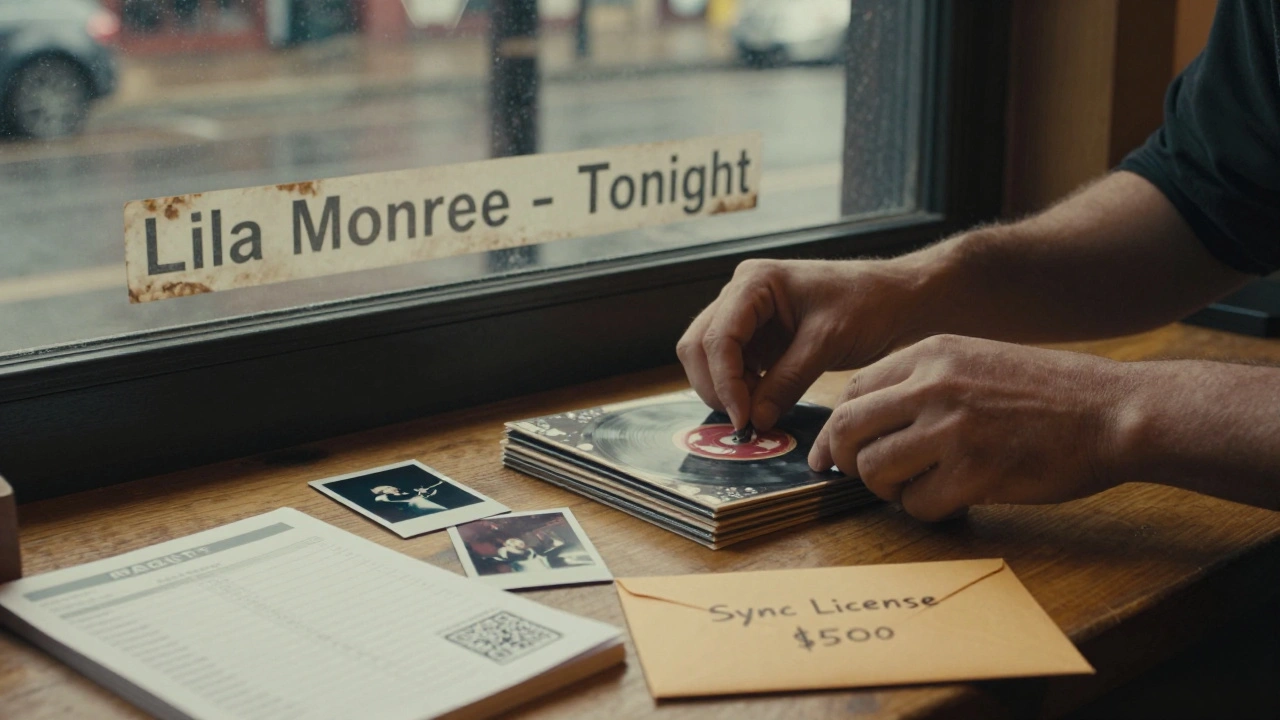
Let’s take a real example: Lila Monroe, a 68-year-old blues singer from Jackson, Mississippi. She has:
- 87,000 monthly Spotify streams - earns $280/month
- 230 Bandcamp sales/month - earns $1,150/month (at $5 each)
- 2 live shows/month - earns $400/month
- 15 Patreon subscribers - $120/month
- 1 sync license for a local documentary - $500 one-time
Her total monthly income: $2,450. Not rich. But stable. And it’s all built on direct connections - not algorithms.
Her Spotify earnings? Less than 12% of her total. The rest? From people who showed up, bought something, and stayed.
What the Future Holds
Some believe blockchain or fan-owned platforms will fix this. Maybe. But right now, the best tool you have is your voice - and your audience. The blues tradition has survived slavery, segregation, and radio silence. It can survive streaming.
The future of independent blues isn’t about being discovered. It’s about being remembered. By the people who show up. Who buy the record. Who come to the show. Who tell their friends. That’s the real payout.
Do streaming services pay blues artists less than other genres?
Not because of genre bias - but because of listener behavior. Blues has a smaller, older, and more loyal fanbase. Those fans don’t stream as much as younger audiences who jump from viral hit to viral hit. So while a blues track might get 10,000 streams from 5,000 dedicated listeners, a pop track might get 1 million streams from 100,000 casual listeners. The math favors volume, not loyalty.
Is Bandcamp better than Spotify for blues artists?
Yes - if you want to make money. Bandcamp keeps only 15% of sales (10% if you’re on the artist tier), meaning you keep 85-90% of every dollar. Spotify pays 0.3-0.5 cents per stream. Even if you get 100 times more streams on Spotify, you still make less. Plus, Bandcamp lets you sell physical records, merch, and digital downloads all in one place - with no middleman.
Can blues artists earn from YouTube?
Yes - but it’s complicated. YouTube pays around $0.0006 to $0.003 per view. A 500,000-view video might earn $300. But if the video is a live performance you uploaded yourself, and you own the rights, you can monetize it. Many blues artists post full albums or live sets. The key is to link to your Bandcamp or website in the description. YouTube isn’t the main income - it’s a gateway.
Why don’t blues tracks get placed in playlists?
Streaming algorithms favor tracks that get repeated plays quickly - like pop songs people listen to on repeat. Blues is meant to be savored, not consumed. It’s slower, more emotional, and doesn’t fit the “skip rate” model. Spotify’s algorithm also favors newer releases. Many blues artists are older, and their music isn’t tagged as “new.” There’s no systemic discrimination - just a system built for a different kind of music.
Should blues artists give up on streaming?
No - but don’t depend on it. Streaming is free exposure. Use it to get people to your website, your shows, your Bandcamp page. Treat it like radio: it doesn’t pay you, but it gets your name out. The real money comes from the people who find you there - and choose to support you directly.
Final Thought: The Blues Isn’t Dead - It’s Just Not on Spotify
The music industry talks about “artist-friendly” platforms. But for blues musicians, the most artist-friendly thing you can do is meet your fans face to face. Sell them a record. Shake their hand. Let them know you’re still out there - playing, writing, and surviving. That’s the legacy. And that’s the only payout that really matters.