Portland, Oregon, is famous for one thing: it rains. A lot. If you are organizing a live show at Robert L. Wilkerson Park (commonly known as Robert Hill) or any other open-air venue in the city, the sky is your biggest competitor. You don't just need a good sound system; you need a plan that keeps the audience dry and the equipment safe when the forecast shifts from "partly cloudy" to "torrential downpour" in under an hour.
Weather-proofing isn't about stopping nature; it's about managing risk so the music can still happen. Whether you're running a small indie gig or a larger community festival, these strategies will help you keep the show going even when the Pacific Northwest decides to test your resolve.
Understanding the Local Climate Risk
Before you buy a single tarp, you need to understand what you're up against. Portland microclimates mean that conditions can vary drastically within a two-mile radius. Robert Hill, located near the Willamette River, often experiences different wind patterns and humidity levels than areas further inland. The river acts as a moisture source, leading to frequent fog and sudden showers, especially in late summer and autumn.
The most common threat isn't actually heavy rain-it's wind. Sustained winds of 15-20 mph can turn lightweight tents into sailboats and send loose flyers flying into the crowd. Rain is predictable; wind is chaotic. When planning, always check the wind gusts forecast, not just the precipitation probability. A 30% chance of rain with 40 mph gusts is far more dangerous than a 70% chance of rain with calm air.
Stage Setup: Building a Fortress
Your stage is the heart of the event, but it's also the most vulnerable point. Here is how to make it resilient:
- Anchor Everything: Don't rely on sandbags alone for large structures. Use ground spikes or weighted bases rated for high-wind conditions. Check local regulations regarding ground penetration at Robert Hill to ensure compliance.
- Electrical Safety: Water and electricity are enemies. Use IP65-rated connectors and covers for all outdoor gear. Keep power strips off the ground-elevate them on racks or stands. If rain starts, have a dedicated crew member monitor the main breaker box.
- Stage Roofing: If possible, use a retractable roof or a solid canopy with proper drainage slopes. Flat roofs trap water, adding hundreds of pounds of weight that can collapse the structure. Ensure gutters or drip lines direct water away from the performer area.
Audience Comfort: Keeping Them Engaged
If the audience is miserable, they leave. Early departures kill the energy of a live performance. Your goal is to provide enough comfort to keep them standing, without creating a barrier between the fans and the artists.
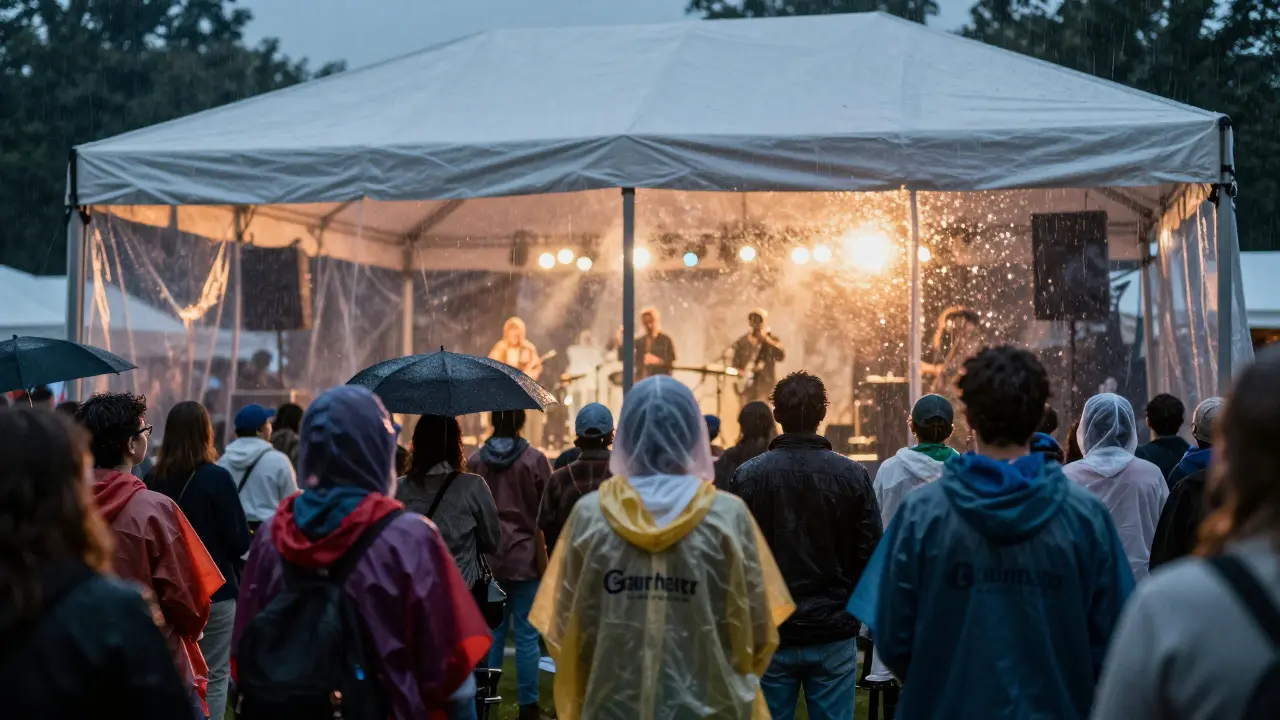
Consider installing clear vinyl sidewalls on tents or canopies. This blocks the wind while allowing visibility. For smaller crowds, distribute ponchos instead of umbrellas. Umbrellas block views, create blind spots for security, and pose a serious hazard if they invert in the wind. Ponchos are cheaper, lighter, and easier to manage. You can even sell branded ponchos as merchandise, turning a necessity into a revenue stream.
Lighting plays a crucial role here. In low-light conditions caused by overcast skies, increase the intensity of your stage lighting. Brighter visuals cut through the gloom and help maintain focus on the performers. Use warm color temperatures to create a welcoming atmosphere despite the cold dampness.
Equipment Protection Strategies
Professional audio and lighting gear is expensive. One mistake can cost thousands. Here’s a checklist for protecting your investment:
| Item | Risk | Mitigation Strategy |
|---|---|---|
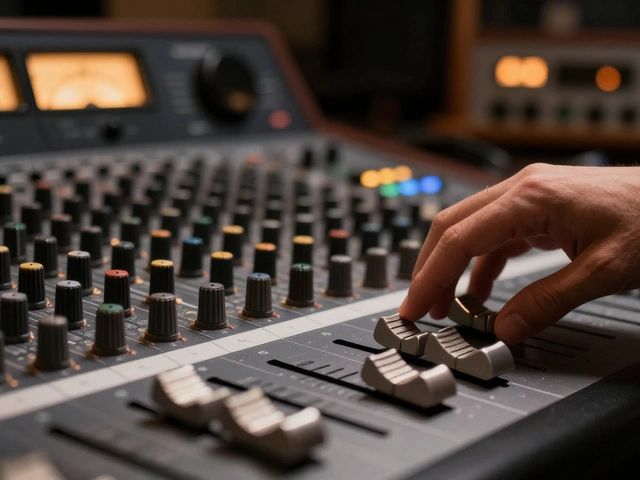
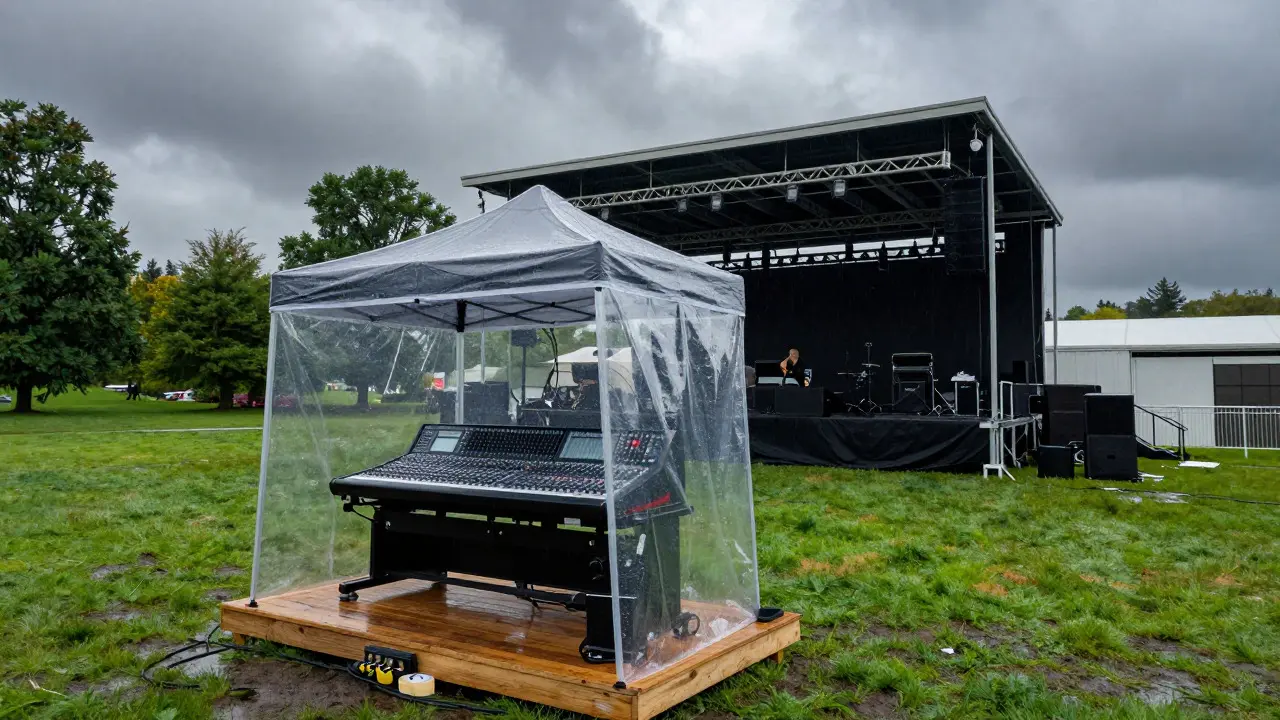
| Mixing Console | Moisture damage, condensation | Place under a dedicated tent flap; use silica gel packs inside the case |
| Speakers | Water ingress, corrosion | Use IP-rated outdoor speakers; cover grilles with breathable mesh during breaks |
| Cables | Short circuits, tripping hazards | Use gaffer tape to secure cables flat; run over ramps; avoid pooling water |
| Lighting Rig | Wind sway, electrical faults | Tighten all truss connections; use cable ties for slack; inspect for wear before show |
Logistics and Contingency Planning
The best plans fail if you don't have a backup. Always define your "Go/No-Go" criteria in advance. For example: "If wind exceeds 25 mph sustained for 10 minutes, we pause the show." Having a pre-agreed threshold prevents last-minute arguments between the promoter, artist, and technical director.
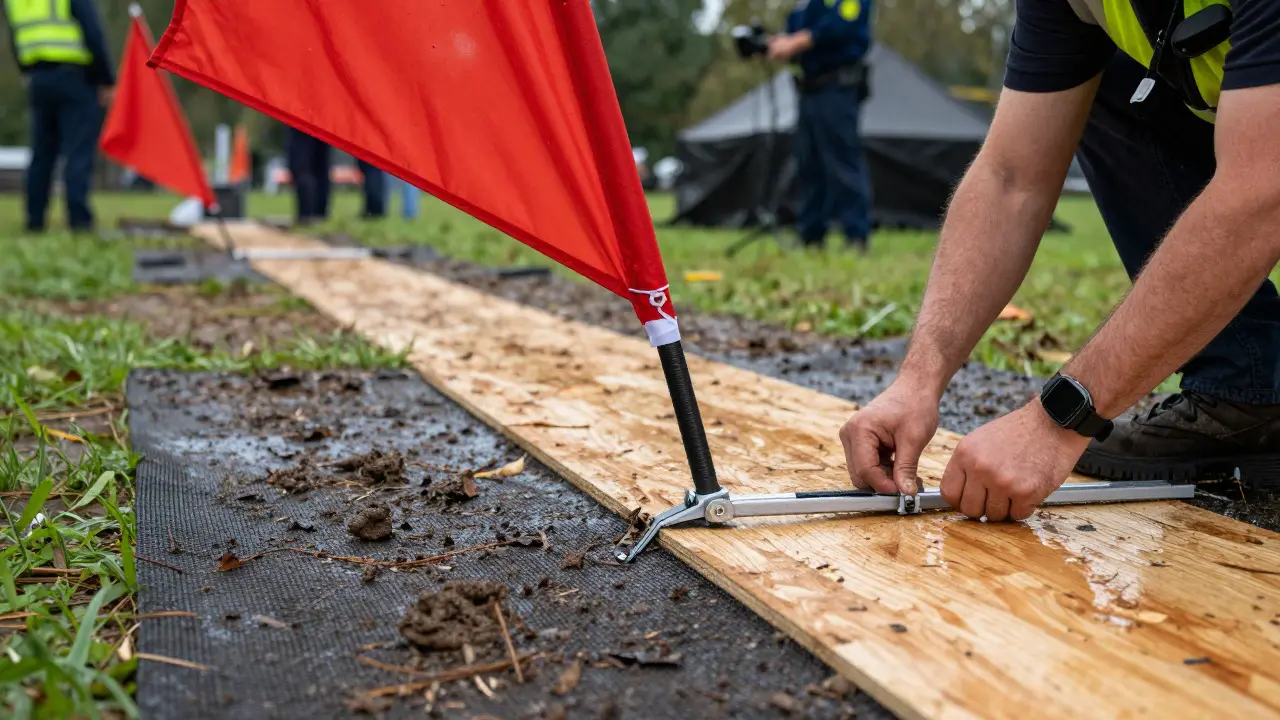
Communicate this plan clearly to everyone involved. The sound engineer needs to know when to mute the mics if the rain hits hard. The security team needs to know where to direct people if a tent collapses. Hold a brief weather briefing 30 minutes before doors open. Review the current radar and agree on signal flags (e.g., red flag = stop, yellow flag = caution).
Also, consider the ground condition. After rain, grass becomes muddy. Muddy grounds lead to slippery stages and unhappy attendees. Lay down plywood walkways or rubber mats in high-traffic areas. This simple step reduces accidents and keeps the venue cleaner for cleanup crews.
Post-Event Maintenance
Weather-proofing doesn't end when the last song finishes. Damp equipment left in cases overnight can develop mold or corrode. Wipe down all metal surfaces immediately after the show. Open all cases and let gear air out in a dry, heated space if possible. Inspect your anchors and stakes for rust, which weakens them over time. Regular maintenance ensures your kit is ready for the next storm.
By treating weather as a variable to be managed rather than an obstacle to be defeated, you transform uncertainty into reliability. Your audience won't remember the exact temperature or wind speed, but they will remember that the show happened, the sound was clear, and the experience felt professional. That’s the real value of effective weather-proofing.
What is the best type of tent for outdoor performances in Portland?
A clear-span frame tent with reinforced sidewalls is ideal. It offers maximum interior space without center poles obstructing sightlines. Look for tents with UV-resistant fabric and waterproof ratings of at least 1000mm hydrostatic head to handle Portland's persistent drizzle.
How do I protect my mixing console from rain without blocking access?
Position the console under a dedicated roof extension or a small pop-up canopy that allows side access. Use a clear plastic shield on the front to block wind-driven rain while keeping the screen visible. Never place the console directly on the ground; use a raised platform to prevent splash-back.
Is it safe to perform in light rain?
Yes, light rain is generally safe if your equipment is properly covered and grounded. The key is monitoring wind speed. Light rain with no wind is manageable. Light rain with high gusts is risky due to potential structural instability. Always prioritize wind safety over precipitation concerns.
What should I do if a thunderstorm approaches during a show?
Follow the 30/30 rule: if lightning strikes within 3 miles, seek shelter. If you can't move indoors, unplug all non-essential electronics and lower antennas. Wait 30 minutes after the last thunder before resuming. Lightning can travel long distances along power lines and metal structures, so don't assume you're safe just because the rain stopped.
Do I need special permits for temporary structures at Robert Hill?
Yes, most public parks in Portland require permits for temporary structures exceeding a certain size or duration. Contact the Multnomah County Parks office early to discuss load-bearing requirements and insurance coverage. They may have specific guidelines for anchoring methods to protect the park's landscape.