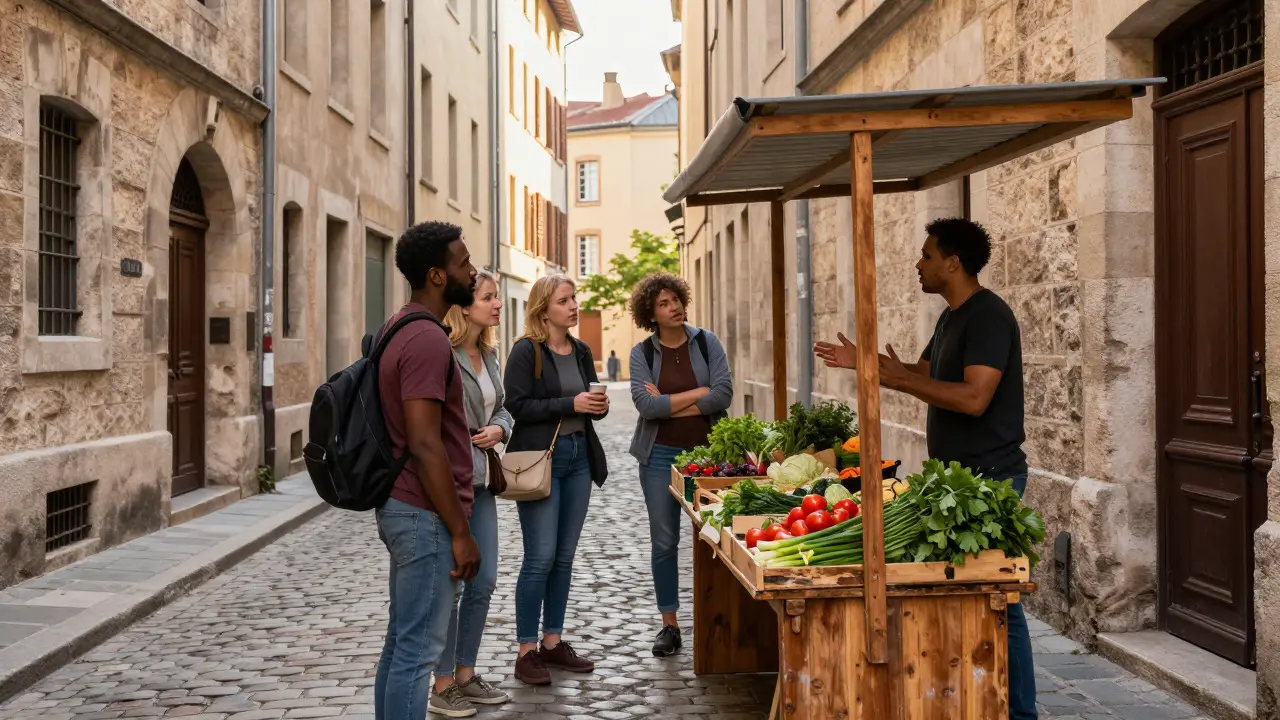
Ever tried to eat your way through a city and ended up with the same tourist-trap meal as everyone else? That’s exactly the problem Robert Hill is a seasoned culinary guide dedicated to uncovering authentic regional flavors through immersive local market tours. Unlike generic sightseeing packages that rush you past landmarks, Hill’s approach digs deep into the specific neighborhoods where a region’s true identity lives. If you’re planning a trip that prioritizes taste over tick-box tourism, understanding his methodology can transform your experience from passive observation to active participation.
What Defines Robert Hill’s Regional Approach?
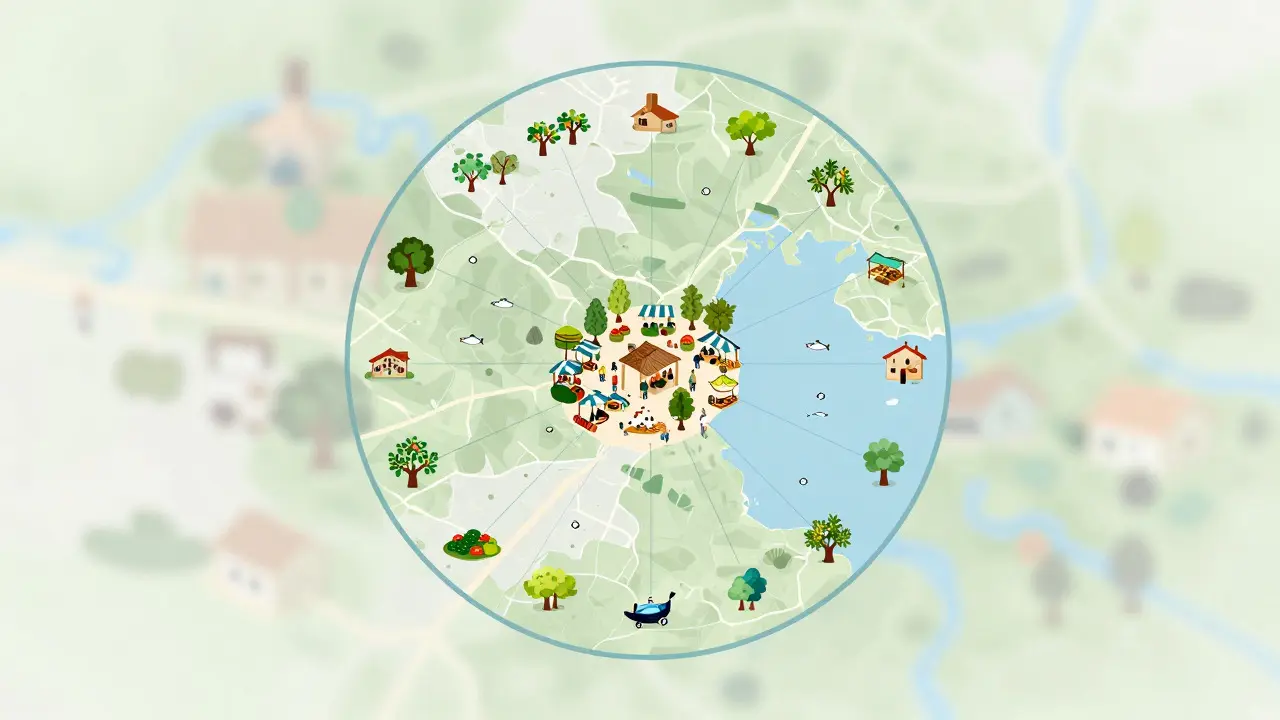
Hill doesn’t just show you where to buy vegetables; he explains why they grow there. His tours are built on a strict geographic radius, usually no more than 10 miles from the central meeting point. This constraint forces a focus on hyper-local supply chains. For example, in Lyon, France, his tour isn’t about the famous Bellecour Square but the hidden alleys of the Presqu’île district where family-run butcher shops have operated for three generations. By limiting the scope, he ensures every stop has a story rooted in soil, climate, and community history rather than commercial convenience.
The core attribute of this style is depth over breadth. While standard food tours might hit six stops in two hours, Hill typically visits only three or four locations but spends significantly longer at each. This allows for conversations with vendors who often share recipes, sourcing secrets, or historical anecdotes that aren’t printed in any guidebook. It turns a shopping trip into an educational session on agricultural economics and cultural preservation.
How Local Market Tours Differ from Standard Food Walks
Most food walks are designed for consumption. You eat small portions of prepared dishes while walking between sites. In contrast, local market tours are designed for curation. You learn how to select produce, interact with producers, and understand price structures. The outcome isn’t just a full stomach; it’s a stocked bag of ingredients you can cook yourself later. This shift changes the power dynamic from vendor-to-tourist to peer-to-peer interaction.
Consider the difference in engagement. On a standard walk, you’re a spectator eating someone else’s creation. On Hill’s market tour, you’re a participant negotiating prices, asking about harvest dates, and learning which fish is best grilled versus stewed based on its fat content. This active role creates a stronger memory anchor. You remember the texture of the fresh basil you touched, not just the smell of a pizza slice you ate while standing in line.
| Feature | Standard Food Walk | Robert Hill’s Market Tour |
|---|---|---|
| Primary Goal | Taste testing and entertainment | Education and ingredient sourcing |
| Geographic Scope | Broad city-wide route | Narrow 10-mile regional radius |
| Vendor Interaction | Minimal (pre-arranged samples) | High (direct dialogue with producers) |
| Takeaway Value | Satiation and photos | Cooking skills and local connections |
| Best For | First-time visitors seeking variety | Foodies wanting depth and authenticity |
The Anatomy of a Regional Stop
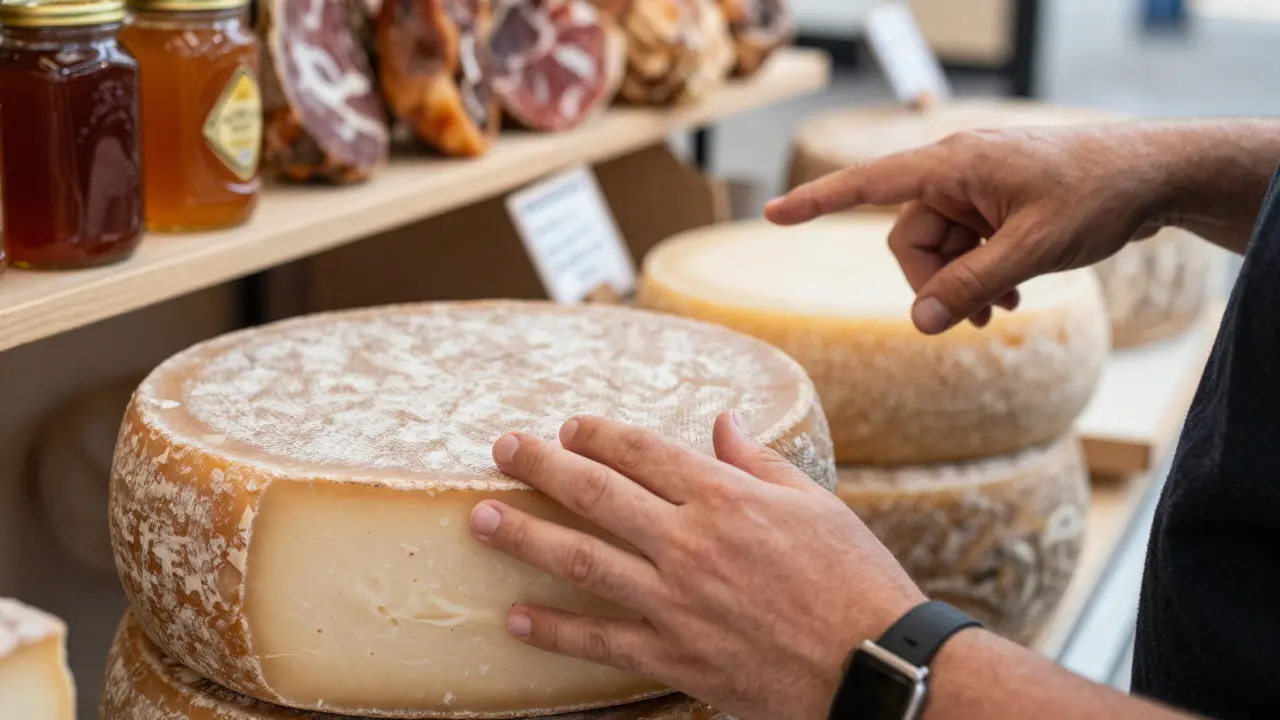
Every stop on one of these tours follows a consistent structure that maximizes learning. First, Hill introduces the producer, sharing their background and how long they’ve been in business. Next, he demonstrates proper selection techniques. For instance, at a cheese stall in the Alpine regions, he won’t just point out the wheels; he’ll teach you how to check the rind for moisture levels to determine if the cheese is ripe enough for immediate consumption or needs aging at home.
Then comes the tasting phase, which is strictly guided. You don’t just bite into something random. You sample specific cuts or slices chosen to highlight different flavor profiles within the same product. Finally, there’s the transaction component. Hill encourages you to buy a small amount to take home, ensuring the economic loop supports the local economy directly. This final step reinforces the connection between the traveler and the place, making the visit feel personal rather than extractive.
Why Geographic Constraints Matter for Authenticity
You might wonder why limiting the tour area is such a big deal. The answer lies in logistics and tradition. Traditional markets thrive on proximity. Farmers bring goods they harvested that morning because the journey is short. If a tour spans an entire metropolitan area, you’re likely seeing imported goods or mass-produced items that lack freshness. By staying within a tight regional focus, Hill guarantees that what you’re buying was likely produced within 24 hours.
This proximity also preserves the social fabric of the market. Vendors know their regulars. When a guide brings a group of tourists, it’s a significant event for them. They prepare special items or offer stories they rarely tell strangers. This level of hospitality is difficult to replicate in large, chaotic central markets where vendors are too busy managing high volume to engage deeply with individuals. The smaller the radius, the higher the quality of human interaction.
Practical Tips for Maximizing Your Experience
If you book a tour with this regional focus, preparation matters. Wear comfortable shoes, as market surfaces can be uneven cobblestones or wet floors. Bring cash, even if cards are accepted, because many small-scale producers prefer physical currency for speed and lower fees. Arrive hungry, but not starving, so you can appreciate the nuances of the tastings without rushing.
- Ask Questions: Don’t wait for the guide to prompt you. Ask the vendor about their biggest challenge this season. They love talking about their work.
- Buy Less Than You Think: You will want to fill your bag. Resist. Buy only what you can use in the next few days to avoid waste.
- Note Down Recipes: Many vendors share simple preparation methods. Write these down immediately, as details like "cook until golden" vary by context.
- Respect the Pace: These tours are slower than typical sightseeing. Embrace the lull periods; that’s when the real conversations happen.
Frequently Asked Questions
Is Robert Hill’s tour suitable for people with dietary restrictions?
Yes, but communication is key. Because the tour focuses on raw ingredients rather than prepared meals, you have full control over what you consume. Inform the guide beforehand if you have allergies or intolerances. Most market stalls carry a wide variety of options, including vegan, gluten-free, and dairy-free products, especially in European cities where plant-based alternatives are common.
Do I need to speak the local language to join the tour?
No. Robert Hill acts as the linguistic bridge for all interactions. He translates key phrases and explains cultural nuances. However, learning a few basic words like "thank you" and "delicious" in the local language goes a long way in building rapport with vendors and enhances the overall experience.
How much should I budget for purchases during the tour?
A reasonable budget is $50 to $80 per person for ingredients and tastings. This covers high-quality meats, cheeses, fruits, and perhaps a bottle of local wine or specialty bread. Prices vary by region, but the focus is on value-for-money local produce rather than luxury imports. Keep in mind that some tasting portions are included in the tour fee, while others are separate purchases.
Can I join the tour solo?
Absolutely. Solo travelers often find these tours particularly rewarding because the smaller group sizes allow for more personalized attention. You won’t get lost in a crowd, and you can ask questions without worrying about holding up the group. Many participants meet fellow travelers during the tour, creating spontaneous social connections.
What happens if it rains during the market tour?
The tour proceeds regardless of light rain, as most markets have covered sections or awnings. Heavy storms are rare, but if weather becomes severe, the guide may adjust the route to indoor sections or nearby artisan workshops. It’s always wise to check the forecast before booking and bring a compact umbrella or waterproof jacket, especially in coastal or mountainous regions.