Buying a print from Robert Hill is an act of direct economic support that bypasses traditional gallery margins and keeps independent art viable. In 2026, with digital saturation at an all-time high, many artists struggle to convert online visibility into sustainable income. For fans who want to make a real difference, the path isn't just about clicking "like" on social media. It’s about understanding how the creative economy actually works and choosing actions that provide tangible value. Whether you are a long-time collector or someone who just discovered his work, there are specific, high-impact ways to help Robert Hill thrive without breaking the bank.
The Economics of Independent Art
To understand why certain actions matter more than others, you have to look at where the money goes. Traditional galleries typically take a 50% commission on sales. This means if you buy a $1,000 painting from a physical space, only $500 reaches the artist's pocket. When you buy directly from an independent artist like Robert Hill, you eliminate this middleman. The full retail price (minus platform fees) goes toward materials, studio rent, and living expenses. This direct-to-consumer model is the backbone of the modern creative economy, allowing artists to maintain creative control while building a loyal base of supporters.
However, direct sales come with their own challenges. Artists must handle marketing, customer service, shipping, and accounting themselves. This administrative burden can eat up hours that should be spent creating. Therefore, when you support an artist, you aren't just funding a piece of art; you are helping them survive the business side of creativity. Recognizing this shift helps you prioritize your support efforts effectively.
Purchasing Directly: Prints vs. Originals
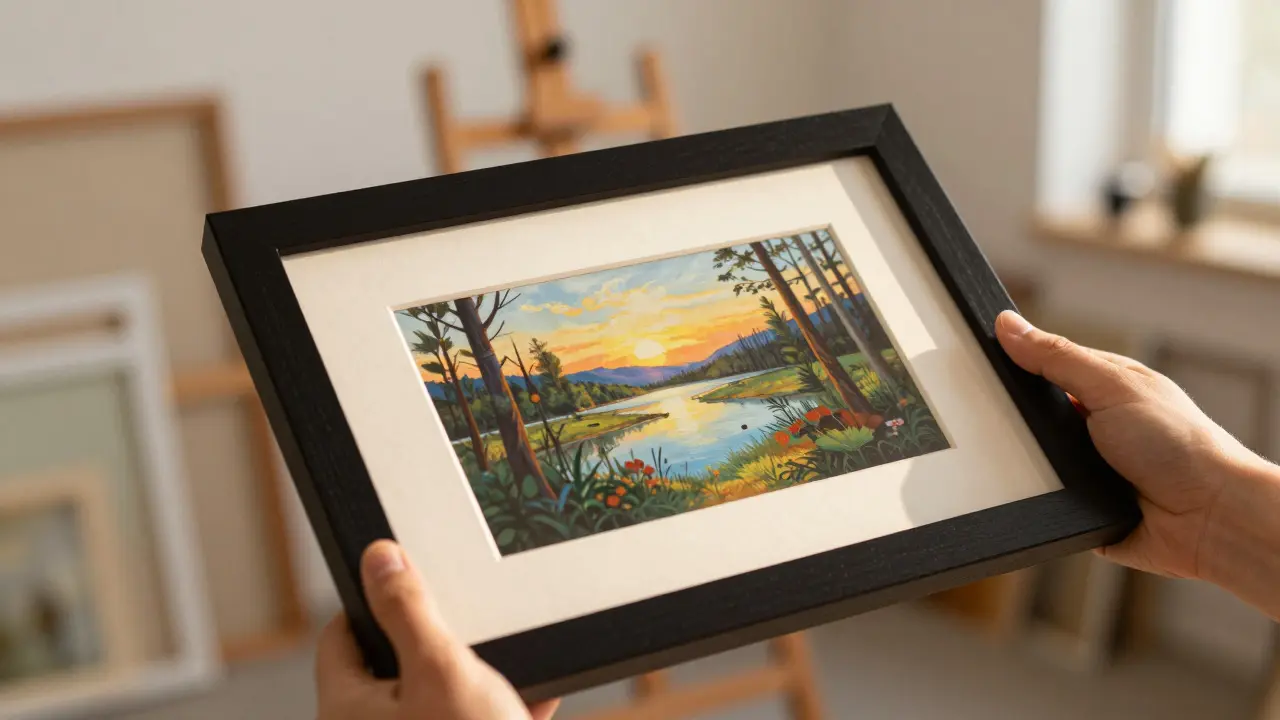
The most obvious way to support Robert Hill is to buy his work. But not all purchases carry the same weight. Limited edition prints are often the most accessible entry point for new collectors. These are usually numbered (e.g., 1/50) and signed by the artist. Buying a limited edition supports the production costs of paper, ink, and framing, which are significant upfront investments. Unlike mass-produced posters, limited editions hold value better because scarcity drives demand. If you can’t afford an original canvas yet, a high-quality giclée print is a fantastic investment that still puts substantial cash into the artist's hands.
Original works, such as oil paintings or large-scale mixed media pieces, represent the highest tier of financial support. These pieces often require custom framing and insurance, making them major purchases. However, owning an original connects you to the unique history of the artwork. It becomes part of your personal narrative and potentially an appreciating asset. For serious collectors, acquiring one original per year is a sustainable goal that provides steady annual income for the artist.
| Method | Financial Impact | Time Commitment | Best For |
|---|---|---|---|
| Limited Edition Print | Medium ($100-$500) | Low | New collectors, interior design accents |
| Original Artwork | High ($1,000+) | Medium (Shipping/Insurance) | Serious collectors, long-term investment |
| Commissioned Work | Variable (Custom Quote) | High (Communication) | Specific aesthetic needs, unique pieces |
| Community Membership | Low ($10-$30/month) | Very Low | Consistent monthly income, early access |

The Power of Community Platforms
In the age of algorithm-driven social media, organic reach is dying. Paid advertising is expensive, so artists rely heavily on their community for visibility. Platforms like Patreon or Ko-fi allow fans to become "members" rather than just customers. By subscribing to a monthly membership, you provide predictable recurring revenue. This stability allows Robert Hill to plan his production schedule without worrying about feast-or-famine cycles. A group of 50 people paying $20 a month generates $1,000 guaranteed every month, which is a lifeline for any independent creator.
Beyond financial subscriptions, these platforms offer perks like behind-the-scenes content, early access to drops, and exclusive discounts. Engaging with this content matters too. Commenting on posts, sharing updates on your own social channels, and tagging friends increases the algorithmic visibility of the artist’s profile. Every share acts as a free advertisement, introducing Robert Hill’s work to potential new buyers who might not have found him otherwise.
Word of Mouth and Social Advocacy
You don’t need to be wealthy to be a powerful supporter. Your network is your currency. When you see a piece of art you love, talk about it. Post it on Instagram, mention it in local art groups, or recommend it to friends who are redecorating their homes. Word-of-mouth remains the most trusted form of marketing. People buy from artists they know through mutual connections. If you tell three friends about Robert Hill’s new series, and each friend tells two others, you’ve created a ripple effect that no amount of ad spend can easily replicate.
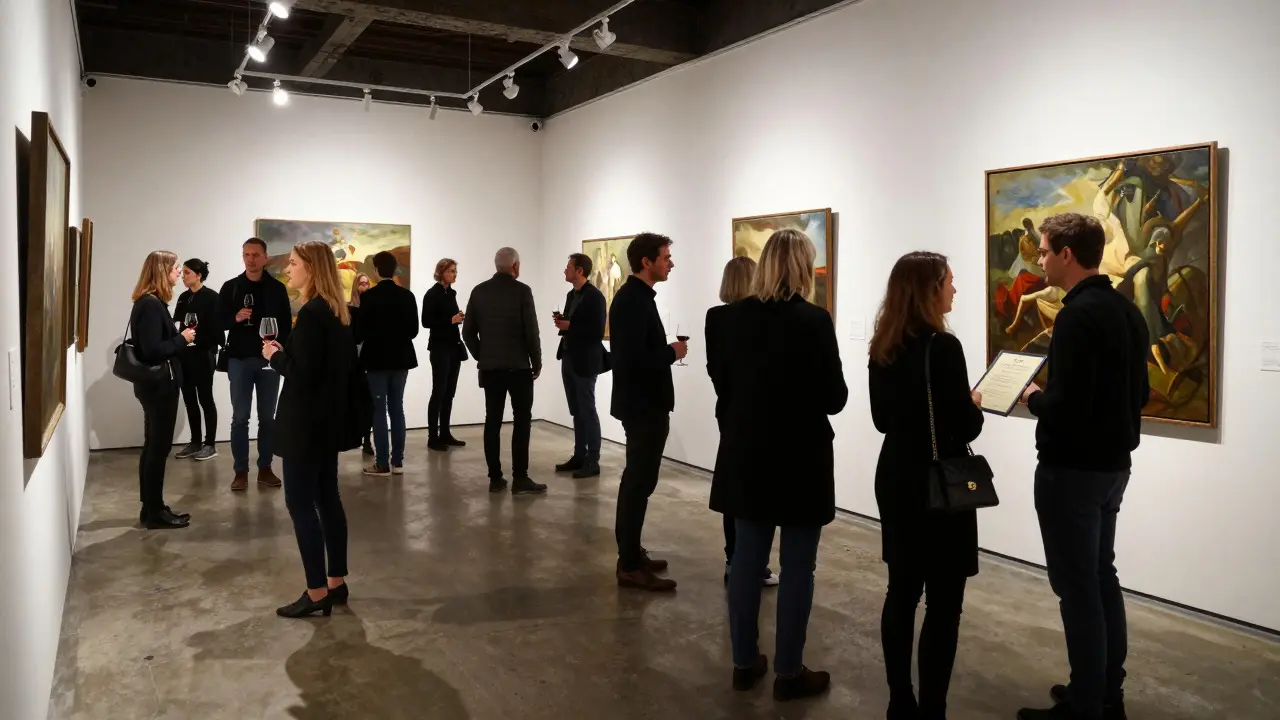
Attending exhibitions also plays a crucial role. Even if you don’t buy anything, your presence validates the event. Galleries and venues track attendance numbers to determine future bookings. A packed room signals to curators and venue owners that the artist has a dedicated following. Bring a friend, stay for the opening hour, and engage with other attendees. This social proof is invaluable for an artist trying to break into larger institutional spaces.
Commissioning Custom Work
If you have a specific vision-a portrait of your pet, a landscape of your hometown, or a piece that fits a particular color scheme-commissioning is one of the most impactful ways to support an artist. Commissions often command higher prices than standard inventory because they involve custom labor and negotiation. They also demonstrate trust; you are betting on the artist’s ability to interpret your ideas into visual form. For Robert Hill, a commission provides both immediate payment (usually via deposit) and a portfolio piece that showcases his versatility.
When commissioning, clear communication is key. Provide reference images, discuss dimensions, and agree on a timeline. This process not only funds the creation but also strengthens the relationship between collector and creator. Many artists offer small commissions for lower budgets, making this option accessible to a wider audience. It’s a personalized gift that carries deep meaning for both the giver and the receiver.
Long-Term Collector Strategies
Supporting an artist is a marathon, not a sprint. Building a collection over time shows consistent belief in the artist’s trajectory. Start with smaller pieces and save for larger ones. Keep records of your purchases, including certificates of authenticity and invoices. This documentation adds value to your collection and helps the artist track their sales history. As you grow your collection, consider hosting private viewings for friends. This turns your home into a gallery, exposing your network to the art in an intimate setting.
Also, keep an eye on auctions or secondary market sales. If another collector sells a piece, buying it back into the primary market (if possible) or supporting the resale ecosystem helps maintain the artist’s market value. Consistent activity in the secondary market signals to other collectors that the artist’s work is desirable, driving up demand for new releases.
What is the best first step to supporting Robert Hill?
Start by following his official social media channels and joining his email newsletter. This ensures you get notified about new drops and limited edition releases before they sell out. Once you feel connected to his style, consider purchasing a small print or joining a monthly community subscription.
Do limited edition prints hold value?
Yes, generally speaking. Because the supply is fixed, demand tends to drive prices up over time, especially if the artist gains recognition. Keeping the certificate of authenticity and the original packaging is crucial for maintaining resale value.
How much should I budget for original art?
There is no fixed rule, but a common heuristic is to allocate 1-2% of your annual disposable income to art collecting. This allows for occasional splurges on original works without impacting essential finances. Start with what feels comfortable and adjust as your confidence grows.
Is it okay to ask for a discount on a commission?
It depends on the artist’s policy. Some artists offer loyalty discounts for repeat clients. Always check the terms before negotiating. If you are a new client, it’s better to focus on clear briefs and timely payments to build a good working relationship.
Where can I find authentic works by Robert Hill?
Always purchase from the artist’s official website or verified gallery partners. Be cautious of third-party marketplaces unless the seller provides a certificate of authenticity and verifiable provenance. Direct purchase guarantees you are supporting the artist directly.