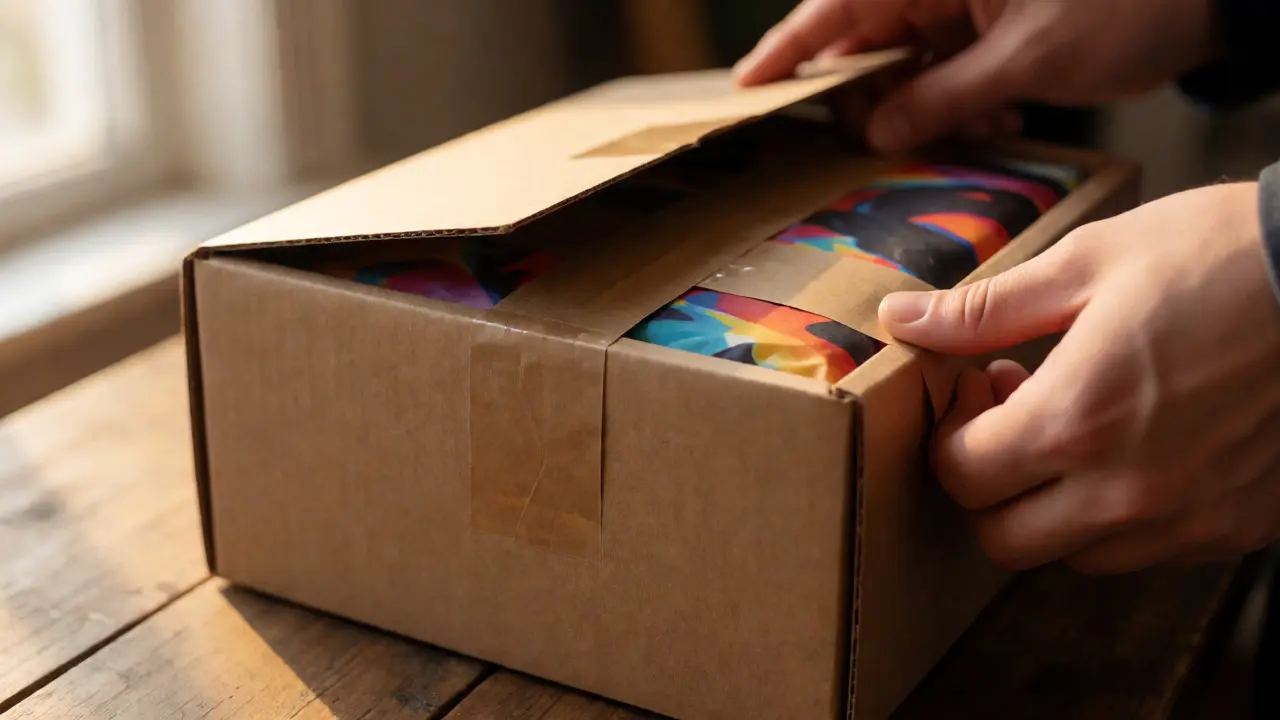
You spent months recording your album. You mixed the tracks until your ears bled. You mastered it to perfection. But if you ship that hard work in a plain brown box with bubble wrap, you’re leaving money on the table. Fans don’t just buy music; they buy a piece of your identity. The moment they slice open that tape is where the magic happens-or dies.
Think about the last time you ordered something online. Did you keep the box? Did you post a photo of the packaging on Instagram before even opening the product? That’s the power of merch packaging. For musicians, this isn’t just logistics; it’s marketing. It’s the physical handshake between you and your listener. If it feels cheap, your brand feels cheap. If it feels special, you’ve just turned a customer into an evangelist.
Why the Unboxing Experience Matters More Than Ever
We live in a digital-first world. Streaming services make music accessible instantly, but they also make it disposable. Physical merch fights back against disposability by offering tangibility. When a fan holds a vinyl record or a limited-edition t-shirt, they hold proof of their support. But that feeling starts before they touch the item. It starts when they see the package sitting on their doorstep.
Data backs this up. According to recent consumer behavior studies, over 70% of consumers share their unboxing experiences on social media. That’s free advertising. Every tag, every sticker, and every handwritten note is a potential tweet, story, or TikTok. If your packaging looks like everyone else’s, you’re invisible. If it looks like art, you’re content.
Consider the difference between receiving a CD in a standard jewel case versus a digipak with custom artwork and a lyric booklet. One feels like a commodity; the other feels like a gift. Your packaging sets the expectation for the quality inside. If the outside is flimsy, fans might subconsciously doubt the care put into the music itself.
Choosing the Right Materials for Your Brand
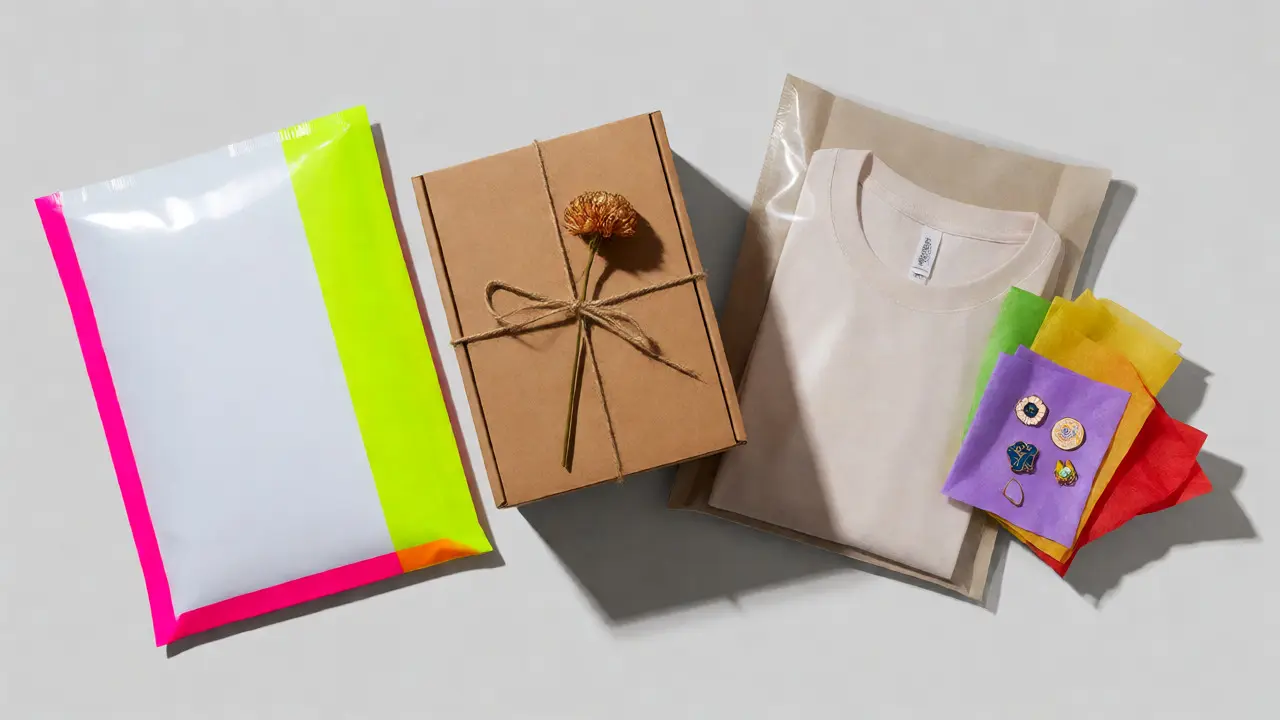
Not all packaging is created equal. You need to match materials to your aesthetic and budget. A punk band going DIY might love raw cardboard stamps and black sharpie. An indie folk artist might prefer kraft paper boxes with twine and dried flowers. A synth-pop act might want glossy, minimalist mailers with neon accents.
Here’s how to break down the options:
- Kraft Paper Boxes: Durable, eco-friendly, and great for stamping logos. They feel rustic and authentic. Perfect for bands emphasizing sustainability or organic vibes.
- Rigid Mailers: These are thicker, often printed with full-color designs. They protect vinyl records well and look premium. Ideal for high-value items like deluxe editions.
- Poly Mailers: Lightweight and waterproof. Great for apparel like t-shirts and hoodies. Choose compostable versions to align with modern values.
- Tissue Paper: Adds a layer of luxury. Use it to wrap delicate items like enamel pins or jewelry. Custom-printed tissue paper elevates even simple products.
Don’t forget the weight. Heavy packaging increases shipping costs. Calculate this early. If you’re selling $20 stickers, don’t use a $5 rigid box. Match the container value to the product value.
Design Elements That Create Emotional Connections
Your logo on the side of a box isn’t enough. You need details that reward attention. Think about what makes someone smile. Is it a hidden message? A color pop? A tactile texture?
Start with the exterior. What does the box say before it’s opened? Use bold typography or striking imagery. Maybe include a QR code that leads to a private playlist or a behind-the-scenes video. This bridges the physical and digital worlds seamlessly.
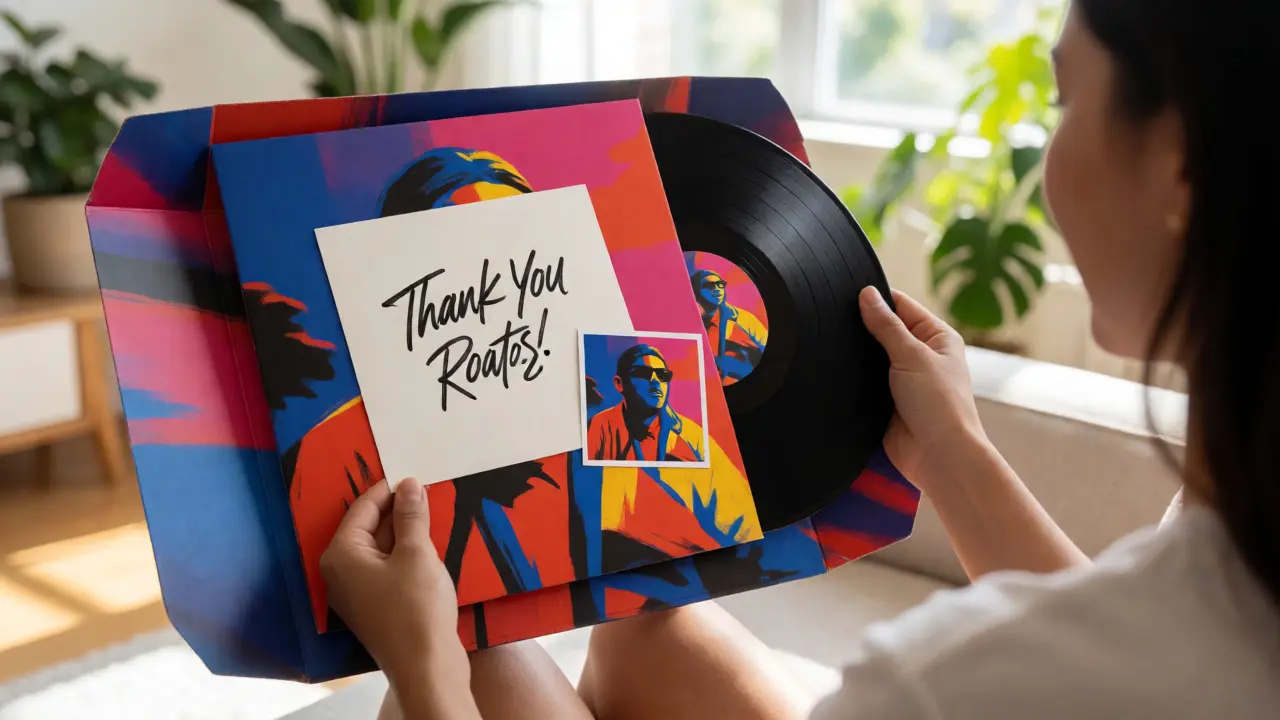
Inside, the first thing they see matters most. Place a thank-you card face-up. Make it personal. Handwritten notes scale poorly if you’re doing 1,000 orders, so print them with a signature font. Add a small extra-a sticker, a patch, or a download code. Unexpected bonuses create delight. If they bought a shirt, throw in a pin. If they bought vinyl, add a coaster.
Layering is key. Don’t just dump items in. Wrap each item individually. Use colored tissue paper that matches your album art. This creates a sense of ceremony. Opening the package should feel like unwrapping a present, not unpacking groceries.
Sustainable Practices Without Breaking the Bank
Fans today care about the planet. Plastic waste turns people off. Switching to sustainable materials isn’t just ethical; it’s smart branding. But "eco-friendly" can be expensive if you’re not careful.
Look for suppliers offering recycled corrugated boxes. Many now come pre-printed with green certifications, which adds credibility. Avoid plastic tape. Use paper-based water-activated tape instead. It seals better and tears cleanly, improving the unboxing flow.
Reusability is another angle. Design your box so it can be repurposed. Can it become a storage bin? A plant pot? Print instructions on the inside flap. "Use this box to store your old demos." This extends the life of your brand beyond the initial purchase.
| Material Type | Best For | Cost Impact | Eco Score | Perceived Value |
|---|---|---|---|---|
| Kraft Cardboard | Vinyl, Books, Pins | Low-Medium | High (Recyclable) | Medium-High |
| Compostable Poly | T-Shirts, Hoodies | Low | Very High | Medium |
| Rigid Printed Box | Limited Editions | High | Medium | Very High |
| Standard Corrugated | Bulk Orders | Very Low | Medium | Low |
Logistics and Cost Management
Beautiful packaging means nothing if it arrives crushed. Invest in proper internal protection. Bubble wrap is okay, but honeycomb paper padding is better for the environment and looks cooler. For vinyl, use corner protectors. Records are fragile and shipping damage is a top complaint.
Watch your dimensional weight. Carriers charge based on size, not just weight. A large, light box can cost more than a small, heavy one. Keep packages as compact as possible without crushing contents. If you’re selling multiple items, bundle them wisely. Two shirts in one poly mailer save you two shipping fees.
Batch processing saves time. Pack orders in groups. Set up an assembly line: one person folds boxes, one wraps items, one seals and labels. Efficiency reduces labor costs, allowing you to spend more on the actual packaging materials.
Turning Customers Into Content Creators
The goal is user-generated content. How do you encourage fans to post? Give them a reason. Include a hashtag card. "Tag us @YourBandName for a chance to win a signed poster." Make the hashtag short and unique. Check if it’s already taken by other brands.
Create a dedicated spot for photos. Maybe the inside lid has a cool pattern perfect for flat-lay shots. Or include a polaroid-style frame cutout. Small interactive elements spark creativity. Fans love showing off their hauls. Make sure your brand is visible in those posts naturally, not forced.
Respond to every post. Like, comment, repost. This builds community. When a fan sees you engaging, they feel valued. Next time, they’ll buy again. And they’ll tell their friends. Word-of-mouth is still the most powerful tool in music.
How much should I spend on packaging per order?
A good rule of thumb is to allocate 5-10% of the total order value to packaging. For a $30 vinyl record, aim for $1.50-$3.00 in packaging costs. This ensures you remain profitable while maintaining quality. Always calculate shipping margins separately.
Do I need custom-printed boxes for my first release?
No. Custom printing has high minimum order quantities. Start with plain kraft boxes and use custom stickers, stamps, or markers to brand them. As your sales volume grows, invest in custom printing. Focus on creative touches rather than expensive stock initially.
What is the best way to pack vinyl records safely?
Remove the outer shrink wrap to prevent pressure cracks. Use a vinyl-specific mailer or a sturdy box with corner protectors. Wrap the record in anti-static inner sleeves and then in bubble wrap or foam. Never ship records flat in a standard envelope unless it’s padded specifically for LPs.
Should I include a return policy in the packaging?
Yes, but keep it brief. Include a small card with clear return instructions and a prepaid label if feasible. Clear policies reduce anxiety for buyers, especially for clothing sizes. It shows professionalism and confidence in your product quality.
How can I make my packaging stand out on social media?
Focus on visual contrast and unique shapes. Bright colors or unusual box structures catch the eye in crowded feeds. Include a call-to-action like "Unbox me!" or a QR code leading to exclusive content. Ensure your logo is visible but not overwhelming.