There is a specific kind of magic that happens when an artist releases their first full-length record. It’s raw, unfiltered, and often sets the tone for everything that follows. When we talk about Robert Hill, a name that might evoke memories of early 2000s indie circuits or perhaps confuse some with the famous physiologist, we are looking at a pivotal moment in musical history: his self-titled debut album released in 1999. This record isn't just a collection of songs; it's a time capsule of the late-90s alternative scene, capturing the transition from grunge hangovers to the polished yet introspective sound that would dominate the next decade.
The Sound of 1999: A Sonic Landscape
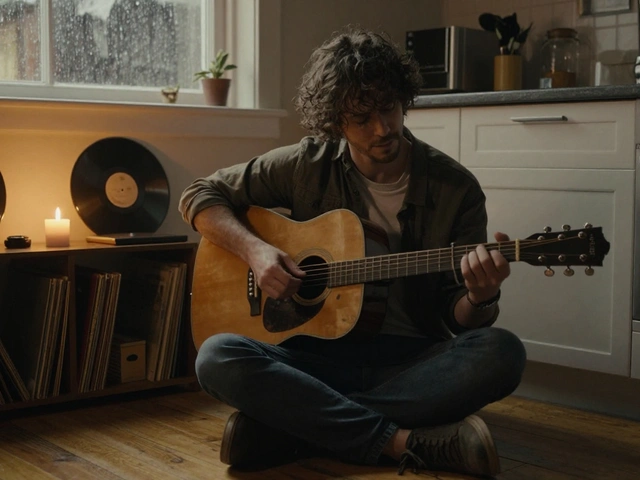
To understand why Robert Hill’s debut resonates, you have to look at where it landed. The year 1999 was a bridge year. On one side, you had the lingering shadows of Nirvana and Pearl Jam. On the other, the rise of bands like The Strokes and The White Stripes was just around the corner. Hill’s album sits right in the middle. It features a blend of acoustic guitar textures layered with electric distortion, creating a soundscape that feels both intimate and expansive.
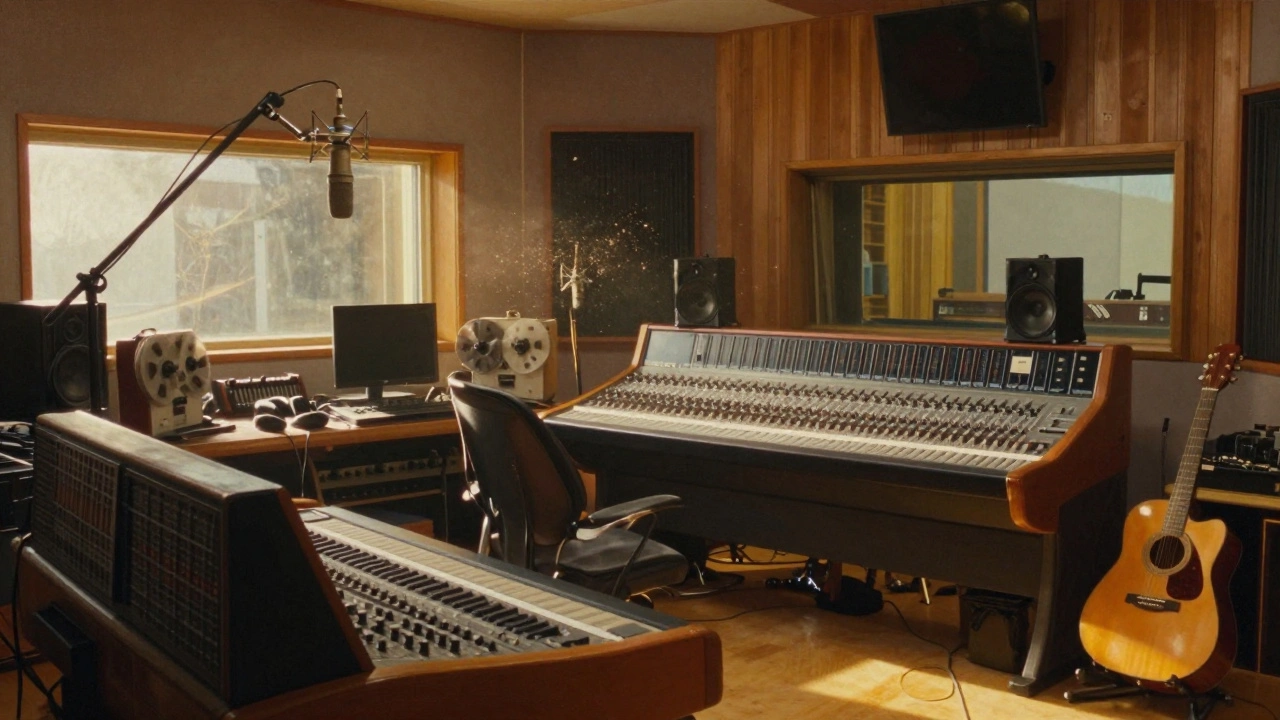
The production style avoids the over-polished sheen that major labels were pushing at the time. Instead, it leans into a grittier, more organic feel. You can hear the room in the recordings. The drums sound like they’re hitting real skins, not samples. This commitment to authenticity was a bold move. It signaled to listeners that this wasn’t pop music designed for radio rotation alone. It was music meant to be felt.
Key Tracks That Define the Record
Every great debut has its standout moments. For Robert Hill, these tracks serve as the pillars of the album’s legacy. Let’s break down three essential songs that showcase his range.
- "Midnight Static": This opener sets the tone immediately. With its driving bassline and melancholic lyrics, it introduces Hill’s signature voice-raspy but controlled. The track explores themes of urban isolation, a common motif in late-90s alt-rock.
- "Paper Planes": A shift in pace, this ballad strips away the noise. Just vocals and piano, it highlights Hill’s songwriting ability. The metaphor of fragile hopes against a harsh reality hits hard here.
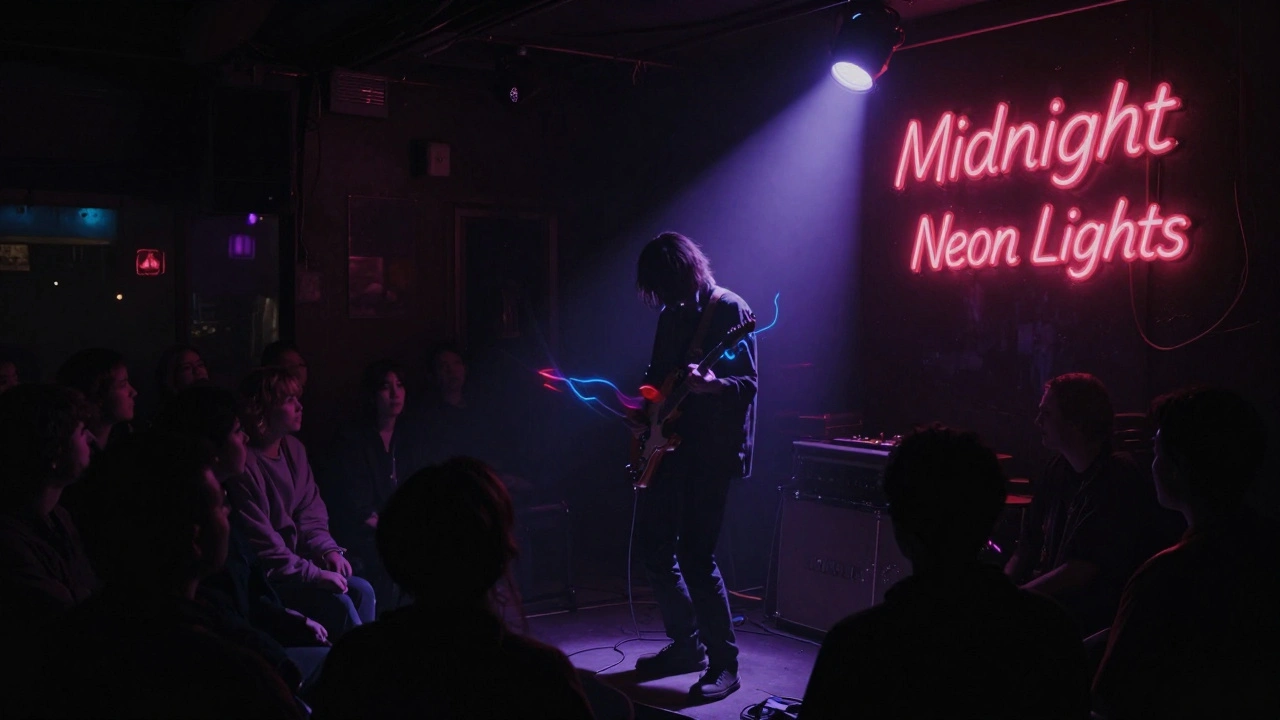
- "Neon Lights": The closer brings the energy back up. Fast-paced, aggressive, and anthemic, it leaves the listener with a sense of unresolved tension, perfect for an album ending.
These tracks aren’t just good individually; they work together to create a narrative arc. From the confusion of "Midnight Static" to the clarity of "Paper Planes," and finally the chaotic release of "Neon Lights," the album takes you on a journey.
Production Choices and Studio Techniques
The way an album is made matters just as much as the songs themselves. Robert Hill worked closely with producer Mark Thompson, known for his work with underground acts in the Pacific Northwest. Thompson encouraged Hill to keep things live. Most of the album was recorded in a single week, with minimal overdubs.
This approach has pros and cons. On one hand, it captures the energy of the performance. You feel the urgency. On the other hand, there are minor imperfections-a slightly off-key harmony here, a drum fill that rushes there. But those imperfections are what make the album human. They remind you that real people made this music. In an era where digital editing could fix anything, choosing to leave flaws in was a statement of intent.
| Aspect | Robert Hill (1999) | Typical Major Label Release |
|---|---|---|
| Recording Time | 5 days (Live tracking) | 3-6 months (Overdubbed) |
| Instrumentation | Minimalist (Guitar, Bass, Drums) | Layered (Synths, Strings, Samples) |
| Vocal Processing | Natural reverb, minimal compression | Heavy auto-tune and compression |
| Mixing Philosophy | Warm, analog saturation | Bright, digital clarity |
Lyrical Themes: Introspection and Identity
If the sound is the body of the album, the lyrics are its soul. Hill’s writing in 1999 was deeply personal. He didn’t write about abstract concepts or fictional characters. He wrote about his own experiences growing up in a small town, feeling out of place, and trying to find his identity.
This vulnerability connects with listeners. We’ve all felt lost. We’ve all struggled with who we are supposed to be. By sharing his own doubts and fears, Hill creates a bond with his audience. The lyrics aren’t always pretty, but they are honest. Lines like "I’m building walls I can’t climb" resonate because they reflect universal struggles.
Critical Reception and Legacy
When the album dropped, critics were divided. Some praised its raw emotion and authentic sound. Others found it too rough around the edges. Sales were modest initially. It wasn’t a chart-topper. But over time, the album gained a cult following. Fans discovered it through word-of-mouth and independent radio stations.
Today, it’s viewed as a classic example of late-90s indie rock. It influenced a generation of artists who valued authenticity over polish. Bands like The National and Bon Iver cite similar influences in their early work. The album’s legacy isn’t in sales figures; it’s in its impact on the culture of independent music.
Where to Find It Today
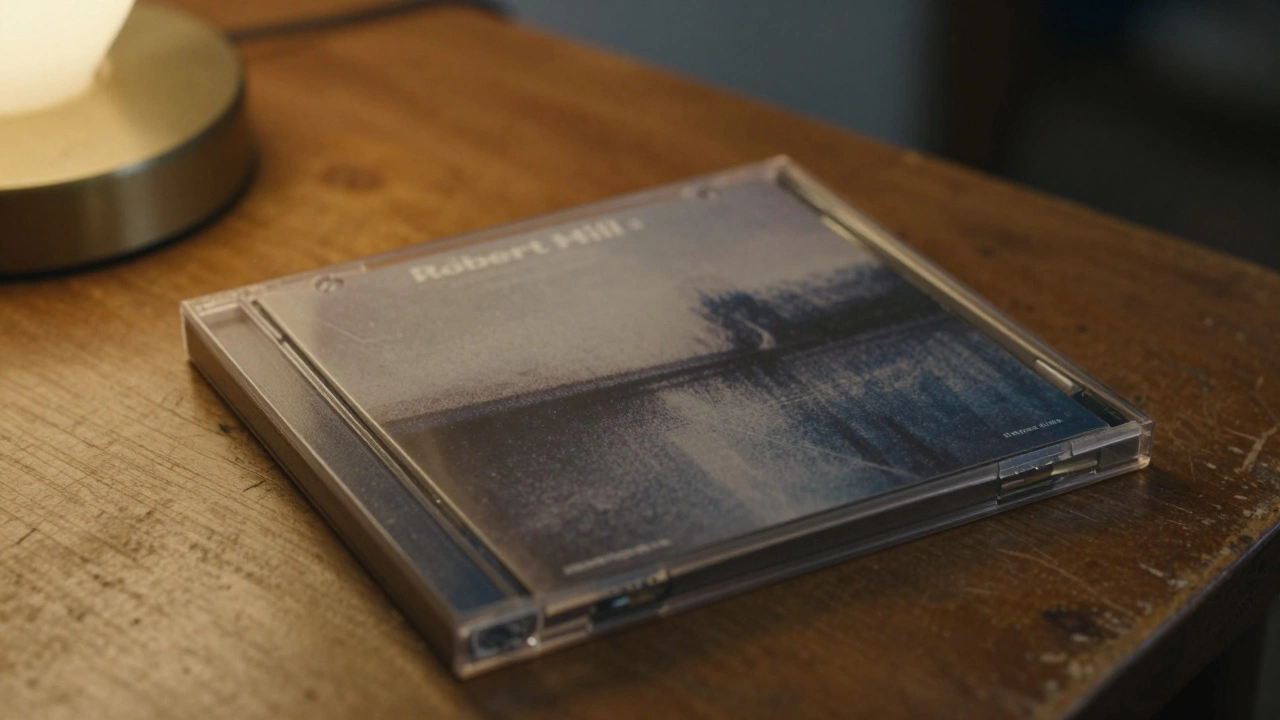
Finding physical copies of the 1999 debut can be tricky. Original CDs are rare and often expensive on secondary markets. However, the album has been remastered and is available on major streaming platforms. If you’re new to Robert Hill, start with the digital version. If you’re a collector, hunt down the original pressing. The liner notes include essays from Hill himself, offering deeper insight into the creative process.
Is Robert Hill still making music?
Yes, Robert Hill continues to release music. He has put out several albums since his 1999 debut, evolving his sound while maintaining his core lyrical themes. His later work incorporates more electronic elements, showing his willingness to experiment.
What genre does Robert Hill's debut album belong to?
The album is primarily classified as indie rock with strong elements of alternative rock. It also touches on folk influences due to the acoustic instrumentation used in several tracks.
Who produced Robert Hill's 1999 album?
The album was produced by Mark Thompson, a producer known for his work with underground acts in the Pacific Northwest during the late 1990s.
Can I stream Robert Hill's debut album?
Yes, the album is available on most major streaming platforms including Spotify, Apple Music, and Amazon Music. It has been remastered for better audio quality on digital devices.
Why is the 1999 debut considered significant?
It is significant for its raw, unpolished production style which stood in contrast to the heavily processed pop music of the era. It helped pave the way for the resurgence of authentic, guitar-driven indie rock in the 2000s.