There is a specific moment in every live show where the room stops breathing. It isn't always the loudest note or the most complex chord progression. Sometimes, it’s just the silence before the first strike of a drumstick. For Robert Hill is a versatile performer whose career spans decades of evolving stagecraft, blending raw acoustic energy with polished theatrical precision. Known for his ability to command attention without raising his voice, Hill has become a case study in how an artist can reinvent their live performance methodology while staying true to their core identity.
Watching his early sets compared to his recent tours reveals a fascinating trajectory. It’s not just about better lighting or bigger venues; it’s about a fundamental shift in how he connects with the audience. If you’ve attended one of his concerts in the last few years, you’ve likely noticed the difference. He doesn’t just play songs; he curates an experience. This article breaks down that evolution, looking at the technical, emotional, and strategic changes that defined his path from intimate club gigs to arena-scale productions.
The Early Years: Raw Energy and Improvisation
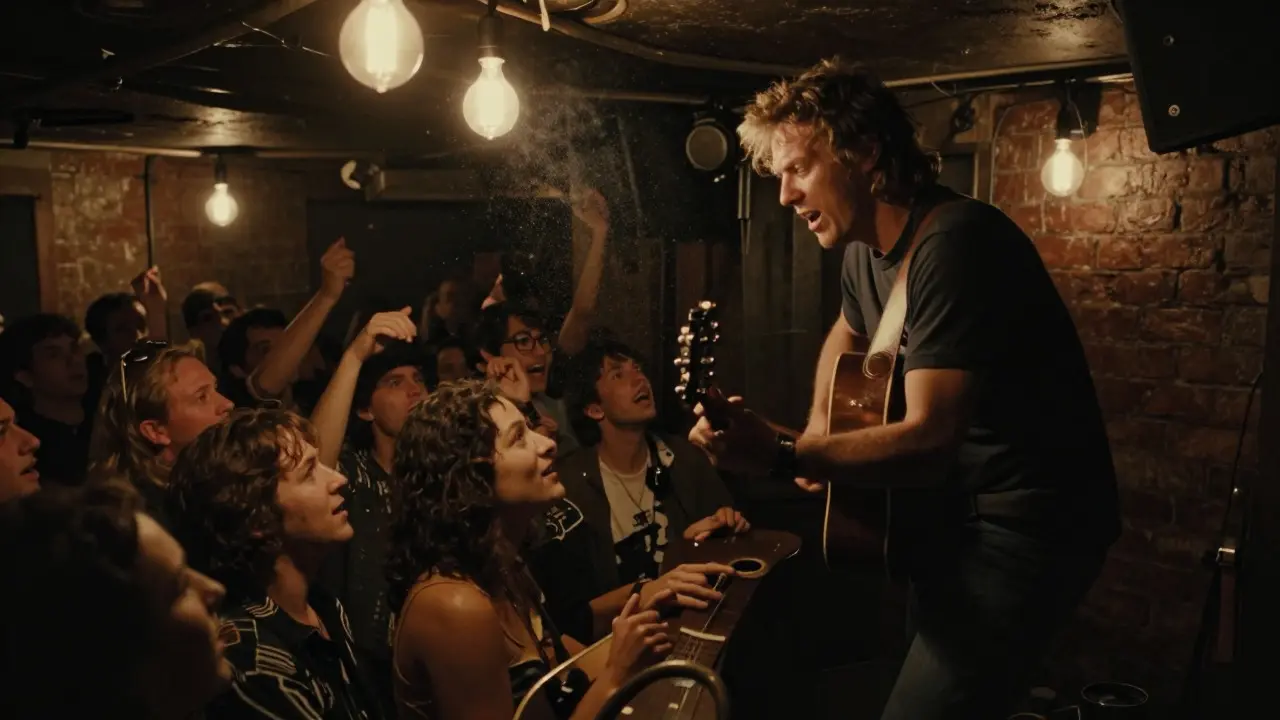
In the beginning, Robert Hill’s performances were defined by spontaneity. Playing small venues in Portland and Seattle during the late 90s and early 2000s, his shows were unpredictable. The setlist was often a suggestion rather than a rule. Fans remember those nights for their chaotic energy. Hill would jump off the stage, interact directly with fans in the front row, and frequently change song orders based on the crowd’s reaction.
This era was characterized by what critics called "unfiltered authenticity." There were no backing tracks, minimal sound engineering, and a heavy reliance on natural acoustics. The risk was high. Some shows flopped due to lack of structure, but when they hit, they felt like private parties. The key attribute of this phase was immediacy. The connection between performer and listener was direct, unmediated by production tricks. However, this approach had limits. As his fanbase grew beyond local circles, the inconsistency of improvisation became a liability. Touring managers struggled to book sound checks because the setup varied so wildly from night to night.
The Mid-Career Shift: Structure Meets Soul
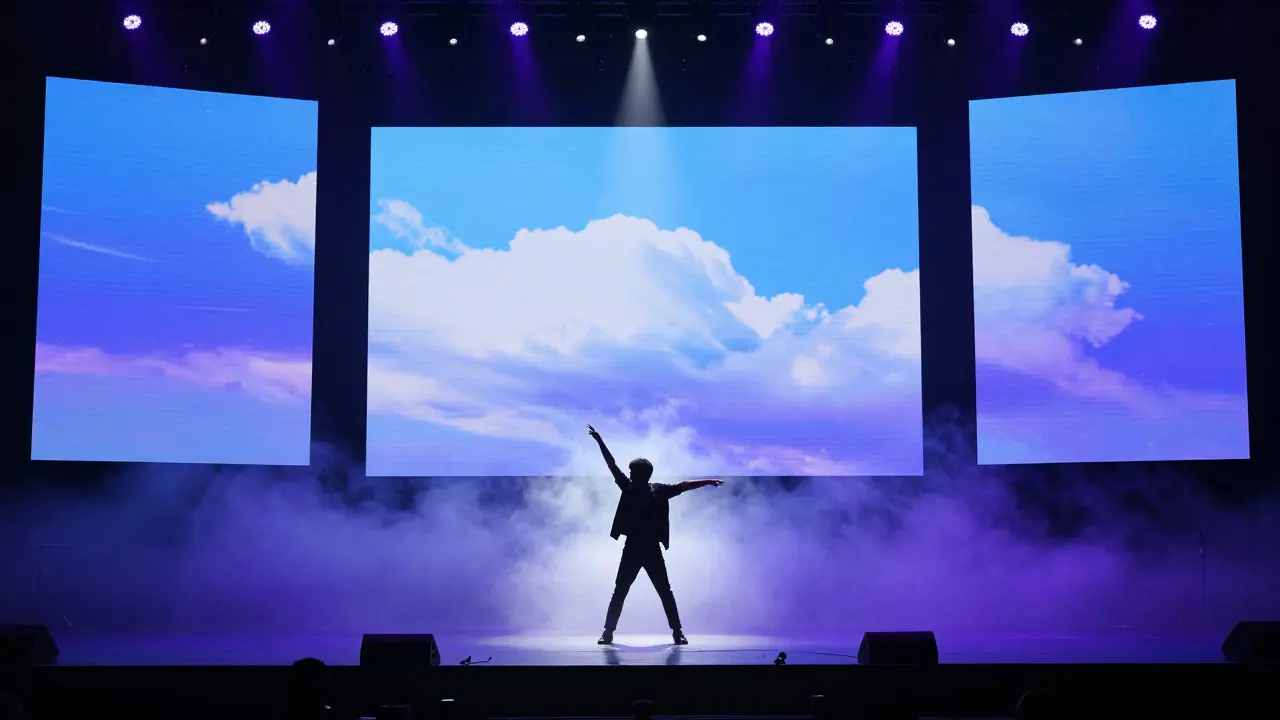
By the mid-2010s, a noticeable change occurred. Hill began working closely with a dedicated production team. This wasn’t about selling out; it was about consistency. He introduced structured segments into his shows. The chaotic jumps were replaced by choreographed movements that enhanced the narrative of the songs. For example, during his album cycle focused on urban isolation, the stage design incorporated dimmed lighting and fog effects to mirror the lyrical themes.
This period saw the integration of Visual Storytelling as the use of projected imagery and lighting cues to reinforce musical narratives. Instead of relying solely on vocal projection to convey emotion, Hill used visual metaphors. A ballad about loss might be accompanied by slow-moving clouds on a backdrop screen. This added a layer of depth that appealed to a broader audience, including those who might not have connected with the raw acoustic version. The trade-off was a slight reduction in spontaneity. Audiences noticed that the "magic" felt more engineered. Yet, the reliability of the show increased dramatically. Booking agents loved it. Radio stations started playing his live recordings because they sounded professional and cohesive.
Modern Era: Technology and Intimacy at Scale
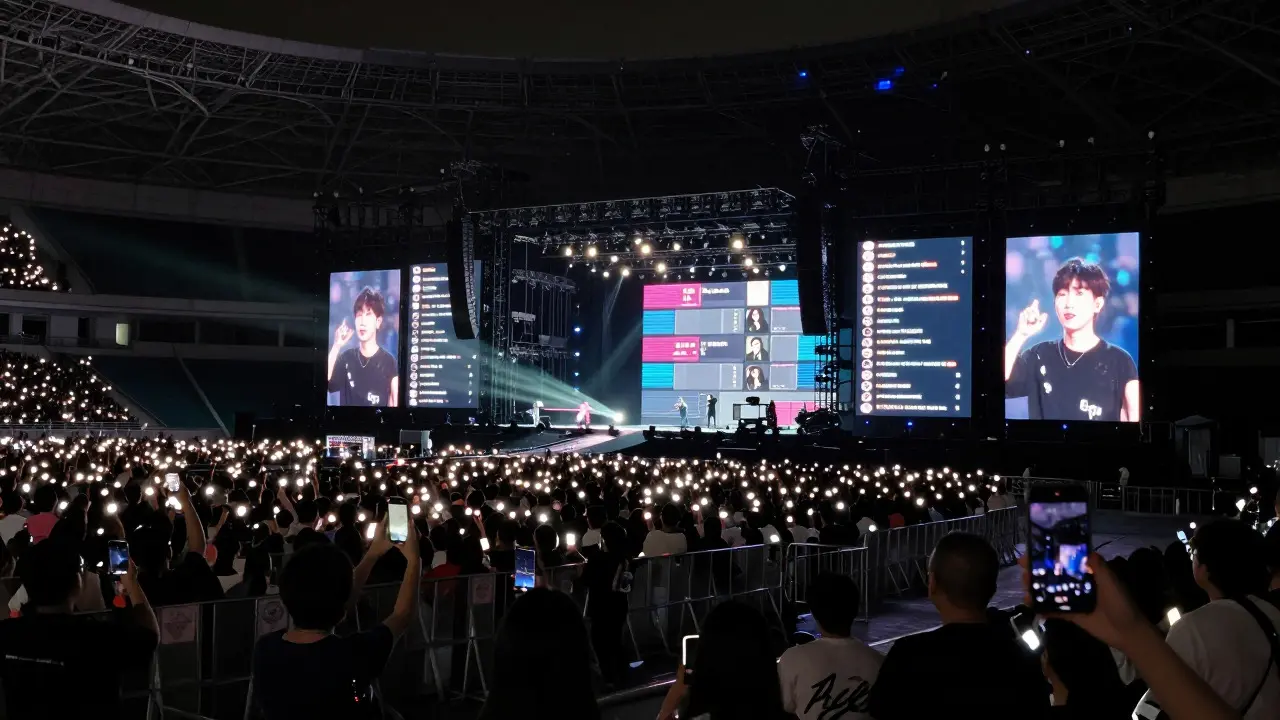
Today, Robert Hill’s stage presence operates on a different frequency entirely. He has mastered the art of scaling intimacy. In arenas holding thousands, he still manages to make individual listeners feel seen. How? Through technology and disciplined observation. Modern tours utilize real-time audio mixing that adjusts volume levels based on the specific section of the venue. If he’s singing to the balcony, the mix shifts to favor clarity over bass. If he’s near the floor, the warmth increases.
Furthermore, his interaction style has evolved from physical proximity to digital engagement. He uses live social media feeds displayed on side screens, allowing fans to see their reactions in real-time. This creates a feedback loop that keeps the energy high. The concept here is Audience Feedback Loop as a system where performer actions are adjusted based on immediate visual or data-driven responses from the crowd. It’s subtle, but effective. You can see him glance at the screens, adjust his tempo slightly, or extend a chorus if the crowd is particularly engaged. It feels personal, even in a massive space.
Comparing the Eras: A Data-Driven Look
To understand the magnitude of this shift, let’s look at some concrete metrics comparing his early, mid, and modern eras. These numbers highlight how the focus moved from raw output to curated experience.
| Attribute | Early Era (Late 90s-2005) | Mid-Career (2010-2018) | Modern Era (2019-Present) |
|---|---|---|---|
| Average Set Length | 45 minutes | 75 minutes | 90 minutes |
| Improvisation Frequency | High (Unstructured) | Moderate (Guided) | Low (Structured) |
| Technical Complexity | Minimal (Acoustic Focus) | Moderate (Lighting/Video) | High (Real-time Mixing/AI Cues) |
| Venue Capacity Average | 300 | 2,000 | 15,000+ |
| Fan Engagement Method | Physical Proximity | Narrative Immersion | Digital Integration |
Notice the trend in technical complexity. It mirrors the growth in venue size. As the distance between artist and audience increased, the tools required to bridge that gap became more sophisticated. But the core goal remained the same: connection. The method changed, but the intent didn't.
Why This Evolution Matters for Artists
Robert Hill’s journey offers valuable lessons for other performers. It demonstrates that stage presence isn't static. It must evolve with the artist’s reach and resources. Staying too long in the "raw" phase can limit growth, while jumping too quickly to high-tech production can alienate loyal fans who value authenticity.
The sweet spot lies in balance. Hill found his by respecting the roots of his craft while embracing new tools. He didn't abandon his acoustic guitar; he just gave it a better spotlight. He didn't stop talking to fans; he just found new ways to listen to them. This adaptability is what separates fleeting trends from lasting careers. In an industry obsessed with novelty, consistency of vision combined with flexibility of execution is rare.
Practical Takeaways for Live Performers
If you’re an artist looking to refine your own stage presence, consider these actionable steps inspired by Hill’s evolution:
- Define Your Core Narrative: Before adding tech or choreography, ensure every song serves a clear emotional purpose. What story are you telling tonight?
- Test Small Changes: Don’t overhaul your entire show at once. Try one new lighting cue or one new interaction technique per tour leg. Measure the response.
- Invest in Consistency: Reliable sound and lighting setups build trust. Fans want to know they’ll get a quality experience regardless of the venue.
- Use Data Wisely: If possible, track which songs get the best reaction in different cities. Use this data to tweak your setlists dynamically.
- Keep One Element Human: No matter how polished the production, keep one part of the show unplanned. Maybe it’s a spoken word segment or a duet with a random band member. That unpredictability keeps the magic alive.
The Future of Live Performance
Where does this go next? With advancements in augmented reality and spatial audio, the possibilities are endless. We might soon see artists like Hill using AR glasses for fans to see additional layers of visuals. Or perhaps AI-driven soundscapes that react to the collective heart rate of the audience via wearable devices. While these technologies are emerging, the fundamental human need for connection remains unchanged. Robert Hill’s evolution proves that technology is a tool, not a replacement. The best shows will always be those where the artist feels genuinely present, regardless of the gadgets involved.
As we look toward the next decade, expect to see more hybrid approaches. Artists will continue to blend the raw energy of the early days with the precision of modern production. The key will be maintaining that delicate balance between control and chaos. After all, that’s where the real magic happens.
What defines Robert Hill's unique stage presence?
His ability to blend raw acoustic authenticity with sophisticated visual storytelling and technological integration. He adapts his performance style to match the scale of the venue while maintaining a personal connection with the audience.
How did his performance style change from the early 2000s to today?
It shifted from unstructured improvisation in small clubs to highly produced, narrative-driven shows in large arenas. He moved from physical interaction with fans to digital engagement methods, increasing technical complexity while aiming for greater consistency.
Does Robert Hill still use improvisation in his shows?
Yes, but it is now guided and structured. Rather than random changes, he uses specific moments for improvisation that fit within the overall narrative arc of the concert, ensuring the flow remains smooth for larger audiences.
What role does technology play in his modern performances?
Technology is central to his modern stage presence. It includes real-time audio mixing, video projections for visual storytelling, and digital audience feedback loops. These tools help him maintain intimacy and clarity in large venues.
Can other artists learn from his evolution?
Absolutely. His career demonstrates the importance of adapting to audience size and expectations. Key lessons include balancing authenticity with production quality, using data to inform setlists, and keeping at least one element of the show spontaneous to preserve human connection.