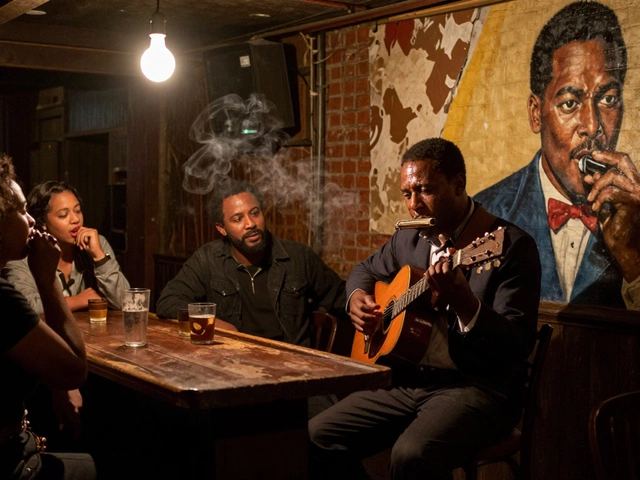
Have you ever attended a live show and wondered exactly what songs were performed? Maybe you caught Robert Hill a musician whose live performance history spans decades years ago and want to revisit that experience. Or perhaps you're trying to track down a specific recording from a concert you couldn't attend. This is where setlist databases become essential tools for music fans.
Setlist databases collect crowd-sourced data from concert attendees who document exactly what happened at shows. These platforms have evolved into comprehensive resources that preserve live music history. When searching for Robert Hill's performance history, understanding how these systems work can help you find accurate information quickly.
Understanding Setlist Databases
| Platform | User Base Size | Coverage Years | Primary Features |
|---|---|---|---|
| Setlist.fm | 500,000+ users | 1970-present | Fan contributions, statistics, charts |
| Live Nation Archives | Venue-based | Variety by venue | Official records, professional data |
| AllMusic Concert Database | Music-focused | 1960s-present | Professional reviews + setlists |
The most widely used platform globally is Setlist.fm, which has grown to contain over 1.5 million setlists from concerts worldwide. Unlike official venue records, these databases rely entirely on fan submissions. This crowdsourcing model means accuracy can vary depending on attendance quality and verification methods.
When searching for Robert Hill specifically, you'll encounter several challenges common to many performing artists. Some musicians have complete documentation spanning entire careers, while others have sparse records depending on their touring frequency and fan community engagement.
How to Search for Robert Hill's Performance History
Start by identifying which Robert Hill you're researching. Multiple performers share this name across different genres-from indie rock to classical jazz. Each artist may have their own setlist records or none at all depending on their touring activity.
- Check primary spelling variations: "Robbert Hill," "Robt Hill," or stage names might appear differently across platforms
- Filter by decade: Narrow searches using approximate time periods when they toured
- Verify against known tours: Cross-reference with tour announcements, album releases, or promotional materials
- Look for regional patterns: Touring musicians often play certain cities repeatedly with consistent song choices
For example, if Robert Hill released an album titled "Pacific Nights" in 2015 and toured primarily through the Pacific Northwest, you'd likely find better documentation from Portland, Seattle, and San Francisco venues compared to East Coast locations.
Some key indicators suggest which performances are well-documented: festivals tend to have more reliable records due to professional press coverage, headlining gigs usually generate fan setlist submissions faster than opening slots, and anniversary shows attract attention from long-time followers who prioritize detailed reporting.
What Data Do Setlists Actually Contain?
Quality setlist entries go beyond simple song lists. Comprehensive documentation includes timestamps between songs, special guest appearances, improvisation sections, audience interaction notes, and equipment changes during the performance.
A typical detailed entry might look like this:
Example Setlist Structure:
- Song Title + Duration (e.g., "Mountain Echoes [4:23]")
- Encores clearly marked separately from main set
- Special notes (key change requests, surprise guests, acoustic versions)
- Date and venue information with location coordinates
- Source verification (verified by multiple attendees = higher confidence)
Verification becomes crucial when multiple sources conflict. If three independent attendees submit identical setlists for the same show, reliability increases dramatically. Professional photography credits further strengthen credibility.
Common Patterns in Live Performances
Whether examining Robert Hill or any performing artist, recognizable patterns emerge across multiple shows. Opening tracks tend to establish energy immediately, mid-show segments often feature deeper album cuts, and encores frequently return to crowd favorites that generated the strongest responses earlier.
Songs appearing in 80%+ of setlists represent core repertoire pieces-the tracks audiences expect and artists deliver reliably. These become part of the performer's identity and evolve minimally over years despite studio version updates.
Conversely, rare performances offer unique collecting opportunities. One-off covers, unreleased demos debuted exclusively at live events, and seasonal songs performed only during holiday tours create special memories for those lucky enough to attend.
Tour cycles follow predictable arcs: early dates after album release favor new material heavily, middle tour legs balance new songs with established hits, and final tour stops emphasize greatest hits packages that maximize audience satisfaction.
Verifying Setlist Authenticity
Not every submission deserves equal weight. Red flags include overly short setlists missing obvious hits, unusual running times inconsistent with known arrangements, or generic placeholders instead of actual song titles. Verified accounts with history of accurate reports carry significantly more trust.
Cross-referencing methods matter enormously: audio recordings corroborated against video footage provide gold-standard verification, social media check-ins from venues combined with setlist uploads strengthen temporal accuracy, and multiple witness submissions eliminate single-point failure risks.
Remember that even dedicated fans make errors. Spelling mistakes happen under concert conditions with poor lighting and loud environments affecting concentration. Version confusion occurs when artists regularly rework songs with different arrangements year over year.

Limits and Gaps in Performance Records
Several factors create inevitable gaps in any setlist collection. Private club shows rarely get documented since venues discourage photography and recording devices, early career performances predating digital platforms suffer from incomplete archives, and one-night-only collaborations lack systematic tracking infrastructure.
Regional bias affects coverage significantly. North American and European tours generate substantially more submissions than South American, African, or Asian circuits simply because database participation concentrates where internet access and setlist culture developed earliest.
This explains why searching for Robert Hill's Pacific Northwest shows produces stronger results than potential performances in emerging markets. Fan communities driving documentation naturally form around where their favorite artists maintain active presence and historical momentum.
Preservation efforts address this limitation increasingly. Organizations digitizing old newspaper archives, bootleg recordings surfacing from private collections, and professional sound engineers uploading mastered recordings fill gaps gradually but inconsistently.
Building Your Own Personal Collection
Dedicated fans benefit from organizing personal records systematically. Digital spreadsheets track attendance chronologically with links to official recordings, personal notes capture subjective experiences alongside objective setlist data, and cloud storage prevents loss if physical notebooks damage over time.
Create custom tags distinguishing verified versus unconfirmed shows, mark favorite performances with rating scales, and note personnel changes affecting overall sound quality across different lineups. This contextual layer transforms raw setlist data into meaningful performance narratives.
For serious collectors, maintaining backup copies matters enormously. Services offering automated synchronization prevent catastrophic loss from device failures or accidental deletions. Cloud integration ensures accessibility regardless of which platform hosting services remain viable long-term.
How do I find Robert Hill's setlists online?
Search Setlist.fm using exact spelling of the artist's name along with approximate date ranges. Filter results by continent or country based on known touring regions. Check multiple platforms including venue archives and AllMusic for cross-verification.
Are setlist databases accurate?
Accuracy varies significantly by show. Cross-referenced submissions from multiple attendees achieve 95%+ reliability. Single-source reports require additional verification through recordings, photos, or official documentation before trusting completely.
Can I contribute setlists to databases?
Most platforms welcome crowd-sourced submissions freely. Document your observations during or immediately after attending shows. Include venue details, date precision, and source verification method when possible for improved credibility scores.
Why are some shows missing from databases?
Geographic bias toward Western venues, pre-digital era performances lacking documentation technology, privacy policies preventing upload restrictions, and small venue concerts without dedicated fans create natural coverage gaps in performance histories.
Do setlist databases cover all genres?
Rock, pop, and folk genres receive the most comprehensive coverage due to larger fan communities actively documenting shows. Classical, experimental, and niche genres often have thinner representation unless featuring well-known names with organized followings.