Imagine this: a listener buys your new EP. They pay, they listen, and then... silence? That's the most expensive mistake an independent artist can make. The first 48 hours after a purchase are critical. If you don't acknowledge that support immediately, you lose the emotional connection before it even starts. fan engagement isn't just about posting on social media; it's about building a relationship that survives the algorithm updates.
Most artists treat their fanbase like a static list of emails. But in 2026, fans expect personalized experiences. They want to feel seen. Thank-you automation is the bridge between a one-time transaction and a lifelong supporter. It’s not about replacing human touch; it’s about ensuring no one falls through the cracks when you’re busy recording or touring.
Why Manual Thanks Fall Short at Scale
When you have ten new supporters, sending personal voice notes is feasible. When you have five hundred, it becomes impossible. Yet, the value of that initial acknowledgment remains constant. Research from the live music industry suggests that fans who receive a personalized welcome within 24 hours are 30% more likely to attend future shows than those who receive a generic blast three days later.
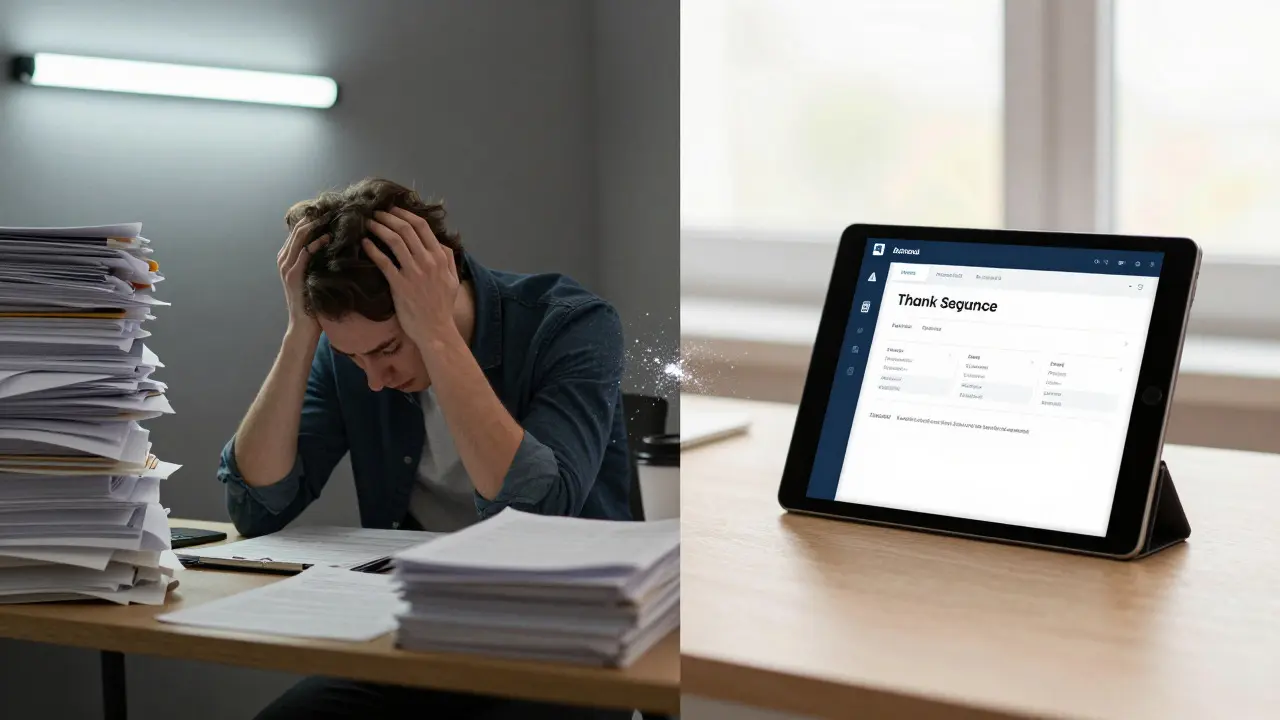
The problem with manual outreach is consistency. You might forget someone during a studio session. Or you might send a reply while exhausted, resulting in a curt message. Automation removes the variable of human error. It ensures that every single person who supports your work gets the same high-quality, warm reception, regardless of your schedule. This consistency builds trust. Fans start to expect that level of care, which differentiates you from artists who treat their audience as mere data points.
Building Your Automated Welcome Sequence
You don’t need a complex enterprise software stack to do this well. Most modern artist management platforms integrate directly with email service providers like Mailchimp or ConvertKit. Here is how you structure a basic but effective sequence:
- Immediate Acknowledgment (0-1 Hour): This should be automated via your ticketing or merch platform. A simple "Thanks for supporting!" with a link to download the track or access the show gate. Keep it short. The goal is confirmation, not conversation.
- The Personal Touch (24 Hours): This is where your email automation kicks in. Use merge tags to insert their first name. Mention the specific item they bought. If they bought the vinyl, ask them to share a photo once it arrives. If they bought a digital track, invite them to join your Discord server. This step transforms a buyer into a community member.
- The Value Add (72 Hours): Don't just sell again. Give something away. Share behind-the-scenes footage of the songwriting process. Offer a discount code for your next merch drop. This reinforces that being a supporter has tangible benefits beyond the initial purchase.
The key here is pacing. Too many emails too quickly feels spammy. Too few feels neglectful. Three touches over four days is the sweet spot for most independent artists. It keeps you top-of-mind without overwhelming the inbox.
Crafting Messages That Feel Human
Automation doesn't mean robotic language. In fact, if your automated messages sound like a corporate template, you've failed. The trick is to write as if you are speaking to one person, not a list. Avoid phrases like "Dear Valued Customer." Instead, use "Hey [Name], thanks for grabbing the new single."
Specificity creates intimacy. If you know they bought the limited edition poster, mention the poster. If they subscribed to your monthly newsletter, reference the latest issue. Modern CRM tools allow you to segment your lists based on purchase history. This means your automation can branch. One path for merch buyers, another for digital downloaders, and a third for newsletter subscribers. Each path should reflect the unique value proposition of that specific interaction.
Consider adding a small call-to-action (CTA) that isn't salesy. Ask for feedback. "How did you find the mastering on Track 3? Let me know." This invites dialogue. When a fan replies, pause the automation and take over manually. This hybrid approach-automated scale with manual depth-is the gold standard for fan engagement in the current landscape.
Measuring What Actually Matters
Open rates are vanity metrics. Everyone knows this, yet we still obsess over them. For thank-you sequences, look at deeper indicators. Are people clicking through to your streaming links? Are they joining your community channels? Are they purchasing additional items within the 30-day window?
Set up UTM parameters on all links in your automated emails. This allows you to track exactly which message drives the most traffic. You might find that the 72-hour value-add email performs better than the immediate acknowledgment. Knowing this lets you tweak your strategy. Maybe you need to move the discount code to the first email. Maybe you need to change the subject line of the second email. Data tells you what works, so stop guessing.
| Metric | Manual Outreach | Automated Sequence |
|---|---|---|
| Response Time | Inconsistent (Hours to Days) | Instant to 24 Hours |
| Scalability | Limited by Artist Bandwidth | Unlimited |
| Personalization Level | High (if time permits) | Medium (via Merge Tags) |
| Cost per Contact | High (Time-based) | Negligible (Software Subscription) |
| Risk of Error | High (Missed contacts) | Low (System-driven) |
Common Pitfalls to Avoid
One major mistake is triggering the sequence for repeat customers without adjusting the tone. If someone has bought from you five times, saying "Welcome to the family" feels awkward. Use conditional logic in your email provider to skip the welcome tagline for existing customers. Instead, focus on loyalty rewards.
Another pitfall is ignoring mobile optimization. Over 80% of music consumers browse on their phones. If your automated email looks broken on a screen, the impact is lost. Test every template on both iOS and Android devices before hitting send. Ensure buttons are large enough to tap and text is readable without zooming.
Finally, don't forget the unsubscribe link. It sounds counterintuitive, but making it easy to leave builds trust. Fans respect artists who respect their inbox space. A clean, visible unsubscribe link reduces spam complaints, which protects your domain reputation for future campaigns.
Integrating With Your Broader Marketing Strategy
Thank-you automation shouldn't exist in a vacuum. It feeds into your broader marketing funnel. The data you collect from these interactions-what people click, what they buy, when they engage-should inform your ad targeting. If your automated emails show that fans love your acoustic covers, create a Facebook ad campaign specifically targeting that interest.
Connect your email platform with your social media analytics. See if spikes in email opens correlate with spikes in Instagram stories views. This cross-channel visibility helps you understand where your fans are most active. It also allows you to retarget non-openers with social ads, creating a multi-touch experience that increases conversion rates significantly.
As you grow, consider integrating with loyalty programs. Platforms like Stampede or Smile.io allow you to award points automatically when a fan completes certain actions, such as opening a welcome email or sharing a post. This gamifies the engagement process, turning passive listeners into active promoters.
What is the best tool for automating thank-you messages for musicians?
There is no single "best" tool, as it depends on your size. For smaller artists, Mailchimp or ConvertKit offer robust automation features at low cost. For larger operations with complex needs, platforms like Drip or Klaviyo provide deeper segmentation and behavioral triggers. Choose a tool that integrates seamlessly with your primary merchandising or ticketing platform to ensure data flows automatically.
How often should I send follow-up emails after a purchase?
For a new supporter, a three-email sequence over four days is ideal. Email one goes out immediately or within an hour. Email two follows 24 hours later with a personal touch. Email three arrives 72 hours later with added value. After that, shift to a regular newsletter cadence rather than continuing the specific post-purchase sequence to avoid fatigue.
Does automation hurt the personal feel of my brand?
Not if done correctly. Automation handles the logistics, freeing you up to handle the nuanced conversations. By using merge tags and segmented content, the messages remain relevant and personal. The risk only arises if you use generic, corporate language. Write as yourself, and the automation will simply deliver your authentic voice at scale.
How do I track the success of my thank-you automation?
Focus on engagement metrics beyond open rates. Track click-through rates to specific destinations (like your store or streaming links), conversion rates for subsequent purchases, and community sign-ups. Use UTM parameters to attribute traffic accurately. Compare these metrics against your baseline performance before implementing automation to measure true lift.
Can I automate responses for social media comments too?
Yes, but with caution. Tools like Buffer or Hootsuite allow scheduled replies, and some platforms have native auto-reply features for common questions. However, social media requires a faster, more casual tone. Use automation for FAQ-style questions (e.g., "Where can I buy tickets?") but reserve creative or emotional responses for manual handling to maintain authenticity.