The Truth About the Modern Press Release
Most press releases end up in the digital trash bin because they look like sales brochures instead of news. Journalists at major outlets like The New York Times or TechCrunch don't want to read your marketing fluff; they want a story that provides immediate value to their audience. If you can't tell them why your news matters in the first ten seconds, you've already lost. The secret isn't in the fancy adjectives-it's in a rigid, predictable structure that lets a busy editor scan the page and find exactly what they need.
Quick Wins for Your Next Release
- Lead with the most shocking or valuable fact.
- Keep the total length under 500 words.
- Use one high-quality quote that adds opinion, not just facts.
- Include a clear, single call to action.
The Anatomy of a Winning Layout
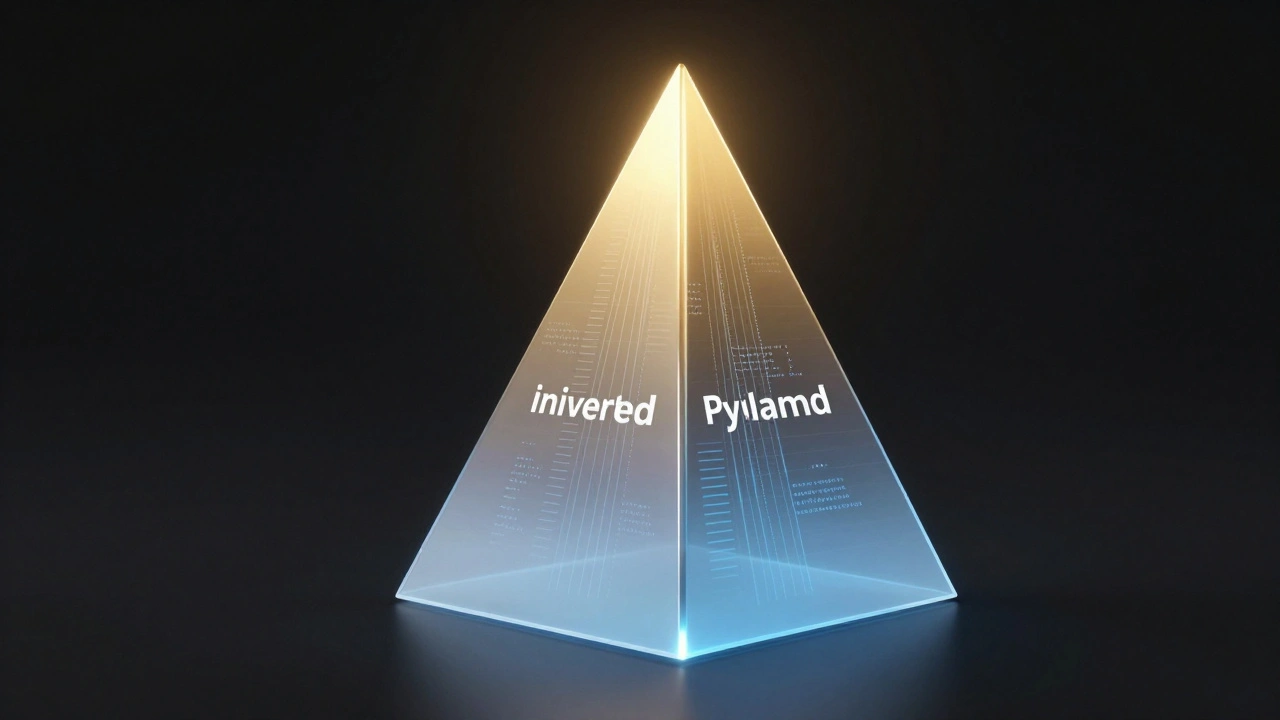
Think of your release as an inverted pyramid. You put the heaviest, most important information at the top and taper off into the details. This isn't just a suggestion; it's how newsrooms have operated for a century. If an editor only reads the first paragraph, they should still have the full story.
Start with the "FOR IMMEDIATE RELEASE" tag at the very top. It sounds old-school, but it tells the journalist that they can publish the news right now. If you're planning a synchronized launch, use an "EMBARGOED UNTIL" date. For example, if you're launching a new software feature on May 1st, you send the release on April 20th with an embargo date of May 1st. This gives the reporter time to write a thoughtful piece without leaking your secret early.
Next is the headline. This is your hook. Avoid generic titles like "Company X Announces New Product." Instead, focus on the result. Instead of "New AI Tool Launched," try "New AI Tool Reduces Small Business Taxes by 20%." The latter tells the reporter exactly why their readers will care.
Mastering the Lead Paragraph
The first paragraph-the lead-must answer the five Ws: Who, What, Where, When, and Why. If you miss any of these, the journalist has to email you for clarification, and most won't bother. They'll just move on to the next pitch.
Imagine you're launching a sustainable clothing line in London. A bad lead says, "We are happy to announce that GreenThreads is opening a shop in London soon." A pro lead says, "GreenThreads, a sustainable fashion label, is opening London's first zero-waste retail hub in Soho on June 12th to tackle the city's fast-fashion waste problem." See the difference? One is a corporate announcement; the other is a news story.

Adding Human Element with Strategic Quotes
Quotes are often the most boring part of a press release because people use them to say things like, "We are thrilled to bring this innovation to the market." This is a waste of space. A quote should not repeat a fact; it should provide a perspective or an emotional angle.
Use quotes to explain the why. If your company just hit a milestone of 1 million users, don't let the CEO say, "We are proud of this achievement." Instead, have them say, "Seeing a million people switch to our platform proves that the industry's approach to data privacy was fundamentally broken." This gives the journalist a "soundbite" they can lift directly for their article.
| Element | Common Mistake | The Pro Approach |
|---|---|---|
| Headline | Vague/Corporate | Benefit-driven/Punchy |
| Lead Para | Too much fluff | Answers the 5 Ws immediately |
| Quotes | Generic "thrilled" quotes | Insightful commentary |
| Boilerplate | Too long/Salesy | Concise "About Us" summary |
The Boilerplate and Contact Details
The boilerplate is the "About Us" section at the bottom. This is where you can be a bit more corporate. Keep it to one short paragraph. State who you are, what you do, and your primary mission. Avoid calling yourself "the world leader" or "the most innovative company" unless you have a third-party award to prove it. Labels like these are red flags to journalists.
Finally, your contact information must be crystal clear. Include a name, a direct email, and a phone number. Don't just put "Press Office." Journalists are on tight deadlines. If they have a question at 11 PM on a Friday, they need to know exactly who to call to get an answer before their print deadline.

Avoiding the "Trash Bin" Pitfalls
One of the biggest mistakes is sending a press release as a PDF attachment. Many journalists won't open attachments from strangers because of security risks. Instead, paste the content of your release directly into the body of the email. If you have high-res images or a media kit, provide a link to a Google Drive or Dropbox folder. This makes it effortless for the reporter to get the assets they need.
Another pitfall is the "spray and pray" method-sending the same release to 500 random journalists. This is a fast track to being marked as spam. Instead, identify five to ten reporters who actually cover your specific niche. If you're announcing a new medical device, don't email the general news desk; email the health and science beat reporters. A personalized intro like, "I saw your recent piece on robotic surgery and thought this would fit your coverage," increases your success rate by 10x.
Connecting Your Release to the Bigger Picture
Your press release is just one part of a wider Public Relations the strategic communication process that builds mutually beneficial relationships between organizations and their publics strategy. To maximize the impact, you should distribute the release across multiple channels. Once the exclusive window for the journalist closes, post the release on your own website's newsroom and share snippets on LinkedIn a professional networking platform used for B2B marketing and industry announcements.
You can also use a Newswire Service a distribution platform that pushes press releases to thousands of news sites and databases simultaneously like PR Newswire or Business Wire. While these aren't guaranteed to get you a feature story in a major magazine, they provide a massive SEO boost. When a news site syndicates your release, it creates a high-authority backlink to your site, which helps your Google ranking.
How long should a press release be?
Ideally, keep it between 300 and 500 words. Journalists are scanning for the essence of the story. If you need to provide more detail, include a link to a full whitepaper or a detailed FAQ page on your website.
What is the difference between a press release and a media alert?
A press release tells the full story and is meant for publication. A media alert is a short "heads up" for an event, designed to invite journalists to attend. It focuses on the time, date, and location rather than the deep narrative.
Should I include my pricing in a press release?
Generally, no. Pricing is a commercial detail, not a news detail. Unless the price point itself is the "news" (e.g., a disruptive price drop that changes the industry), leave it for the product page or the follow-up interview.
How do I handle a press embargo?
Clearly state "EMBARGOED UNTIL [DATE AND TIME]" at the top of the release. This is a gentleman's agreement that the journalist will not publish the information before that time. It allows them to prepare the story in advance.
Where is the best place to put the contact info?
At the very bottom, after the boilerplate. Use a clear heading like "Media Contact:" followed by the name, email, and phone number of the person who will actually answer the phone.
Next Steps for Better Outreach
If you've written your release and it's ready to go, don't just hit send. Create a "Media Kit" first. This is a folder containing high-resolution logos, headshots of executives, and a few B-roll videos. When a journalist decides to write about you, the last thing they want is to spend an hour chasing you for a logo.
For those of you in a B2B environment, try "stacking" your news. Don't release everything at once. If you have a product launch, a new partnership, and a funding round, space them out over a quarter. This keeps your brand in the news cycle longer and prevents you from drowning out your own milestones.